![[등록] 2026-09-01 15:48:31](/support/_updata/banner2/tl181982910_6749.png)


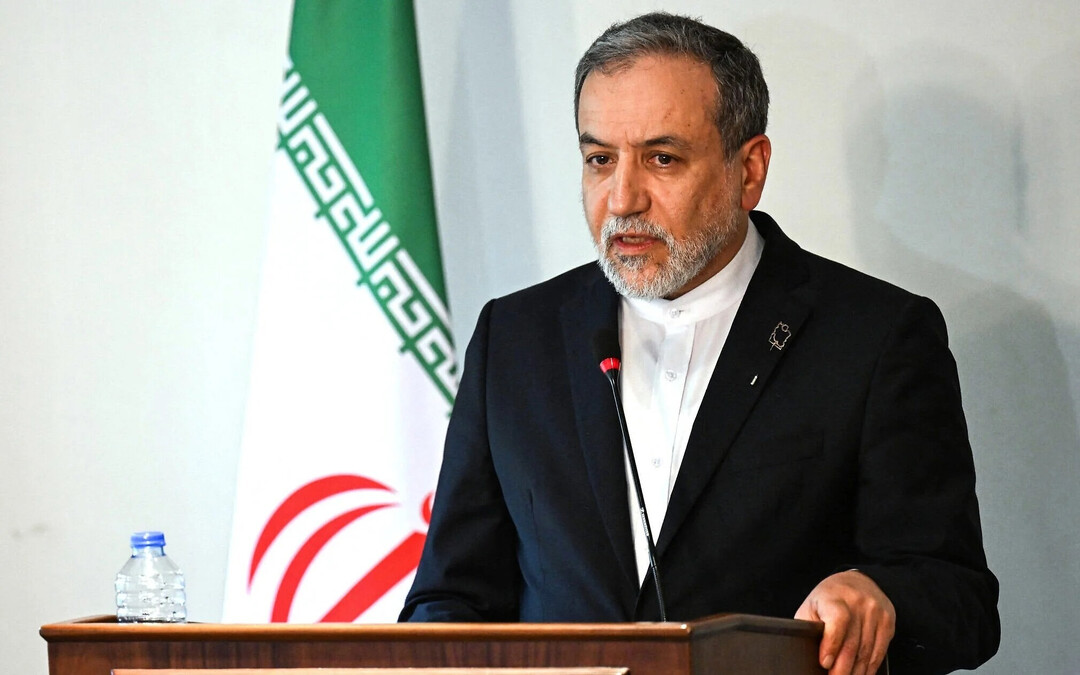
TEHRAN – Abbas Araghchi, Iran’s Minister of Foreign Affairs, launched a scathing verbal assault on the United States Department of Defense (DoD) on Friday, accusing Washington of deliberately underreporting the financial toll of the ongoing conflict with Iran. Araghchi claimed the true cost of the war has already surpassed $100 billion, roughly four times the official figure provided by U.S. military leadership.
The Discrepancy: $25 Billion vs. $100 Billion
The diplomatic spat was triggered by testimony from Jay Hurst, a high-ranking Pentagon official, who informed the House Armed Services Committee on April 29 that the war—which commenced on February 28—had cost approximately $25 billion. According to Hurst, the lion's share of this expenditure was attributed to ammunition and ordnance.
Araghchi, a key figure in Iran’s delegation for potential peace negotiations, took to X (formerly Twitter) to debunk these figures. "The Pentagon is lying," he stated bluntly. He argued that the U.S. has been lured into a strategic quagmire by Israeli Prime Minister Benjamin Netanyahu. "The U.S. has lost $100 billion to Benjamin Netanyahu’s gamble so far—four times what the Pentagon claims."
The Burden on American Taxpayers
The Iranian Foreign Minister further intensified his rhetoric by targeting the American public, suggesting that the indirect economic consequences are being felt in every household. Araghchi alleged that the war is costing the average American family $500 per month in taxes, a figure he claims is "increasing rapidly."
"The 'Israel First' policy always puts America second," Araghchi added, echoing a sentiment often used by critics of the U.S.-Israel alliance to suggest that American national interests are being sidelined in favor of Israeli security objectives.
Disputed Figures and Hidden Costs
While Araghchi’s $100 billion claim has been met with skepticism by some Western analysts, mainstream media reports suggest that the Pentagon’s $25 billion estimate may indeed be incomplete.
According to a recent report by CNN, the official DoD figure notably excludes the massive costs required to repair and rebuild U.S. military bases in the Middle East that have sustained damage during the hostilities. When accounting for infrastructure restoration and logistical surges, independent analysts suggest the actual expenditure likely sits between $40 billion and $50 billion (approximately 59 to 74 trillion KRW).
The "Netanyahu Factor"
The Iranian leadership has consistently maintained that the U.S. involvement in the current conflict was not a product of American strategic necessity but rather the result of President Donald Trump being persuaded by Prime Minister Netanyahu’s hardline stance. Tehran views the war as a proxy struggle where American resources are being depleted to fulfill Israeli regional ambitions.
As the war enters its third month, the domestic debate in the United States regarding the transparency of war funding is expected to intensify. With Iran intensifying its "information warfare" by highlighting the economic burden on U.S. citizens, the Biden administration faces growing pressure to provide a more comprehensive accounting of the total fiscal impact of the conflict.
[Copyright (c) Global Economic Times. All Rights Reserved.]