![[등록] 2026-09-01 15:48:31](/support/_updata/banner2/tl181982910_6749.png)


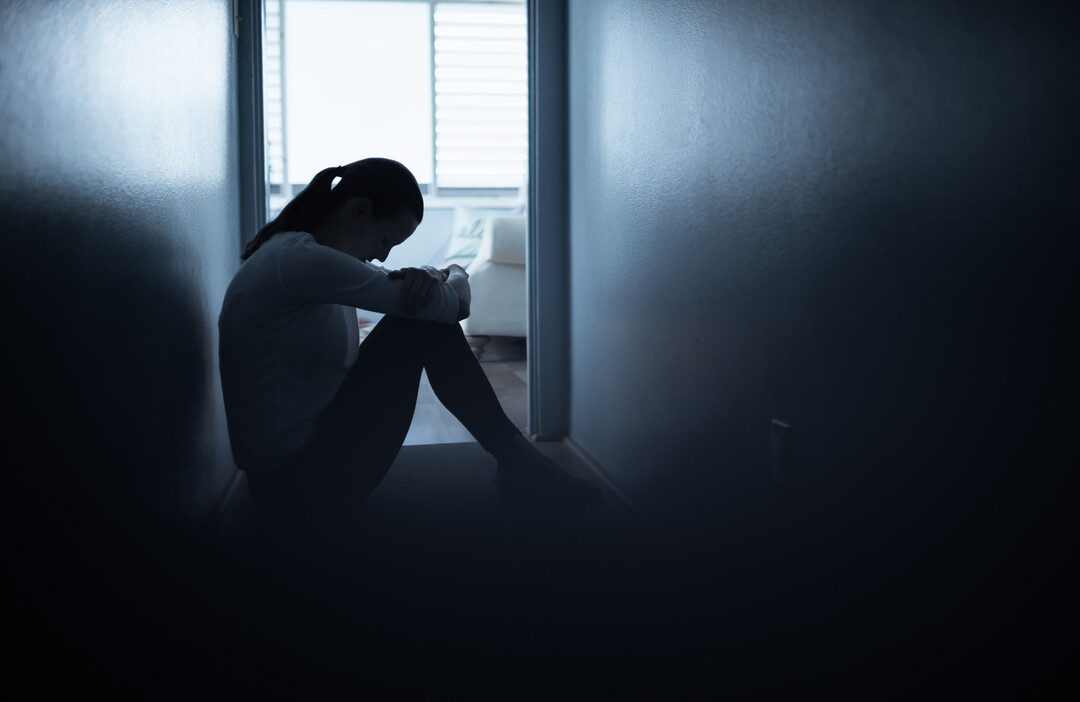
SEOUL — Attempts of self-harm and suicide among children and adolescents in South Korea have skyrocketed by more than five times over the past decade, according to recent data. With teenagers accounting for an increasingly large share of emergency room visits related to self-inflicted injuries, experts and lawmakers are urging a more integrated, proactive system to identify at-risk youth early and seamlessly connect them with medical treatment and follow-up care.
According to data released on the 1st by Rep. So Byung-hun of the main opposition Democratic Party, compiled via the Korea Disease Control and Prevention Agency (KDCA), self-harm and suicide attempts among minors—driven largely by depression and conflicts with family or peers—surged by 553.1% in 2023 compared to 2014. Over the same period, overall injuries resulting from self-harm and suicide rose by 246.2%.
Emergency room statistics underline this alarming upward trajectory. The proportion of teenagers among all patients visiting emergency rooms for self-harm or suicide climbed from 8.5% in 2015 to 18.7% last year, more than doubling within a 10-year span.
Data from the KDCA’s "2024 Injury Type and Cause Statistics" further highlights a heavy concentration of youth in poisoning cases. Among children and adolescents aged 0 to 18, poisoning cases for those aged 13 to 18 totaled 699, accounting for 68.6% of all minor poisoning cases. Of these, 636 cases—or a staggering 91.0%—were attributed to self-harm or suicide attempts.
Therapeutic drugs were identified as the primary poisoning agent, accounting for 637 cases (91.1%). A closer breakdown revealed that sedatives, antipsychotics, and sleeping pills made up 260 cases (37.2%), followed by analgesics and anti-rheumatic drugs at 206 cases (29.5%), and antidepressants at 82 cases (11.7%).
The proportion of youth taking their own lives is similarly profound within injury-related mortality data. Out of 547 injury-related deaths among children aged 0 to 18 in 2023, 295 deaths (53.9%) were classified as self-harm or suicide.
By age group, self-harm and suicide accounted for 111 out of 147 injury-related deaths (75.5%) among 13- to 15-year-olds, and 161 out of 222 deaths (72.5%) among 16- to 18-year-olds.
The issue of repeated attempts remains a critical concern. Out of 6,888 individuals who sought help for self-harm or suicide attempts, 1,763 had a prior history, with 1,007 of them documented as having tried two or more times previously.
In response to the crisis, the government is currently rolling out its 1st Injury Management Comprehensive Plan, involving 14 ministries including the Ministry of Health and Welfare and the Ministry of Education. Initiatives led by the Education Ministry include developmental stage-appropriate suicide prevention and life-respect education, early identification of vulnerable students via emotional and behavioral screening tests, school-based "Wee Class" counseling paired with specialized institution referrals, and mental health expert visits to schools alongside medical expense support.
However, Rep. So emphasized that rather than treating self-harm attempts, emergency room visits, poisoning, repeat attempts, and deaths as isolated events, authorities must view them as a single continuum of risk. He stressed the need to establish a comprehensive framework that catches high-risk youth early and links them directly to treatment and continuous management. Given that prescription drugs comprise the vast majority of youth poisoning cases, he also called for strict analysis of drug types, acquisition routes, and prescription statuses, alongside strengthened measures for safe storage and management within households.
"It is no longer enough for government departments to simply explain what programs they are running; they must show tangible results in bending the curve of rising youth self-harm and suicide," Rep. So stated. "The government must treat adolescent self-harm and suicide as a national crisis and devise extraordinary measures featuring clear overarching accountability and quantified reduction targets."
[Copyright (c) Global Economic Times. All Rights Reserved.]