![[등록] 2026-09-01 15:48:31](/support/_updata/banner2/tl181982910_6749.png)


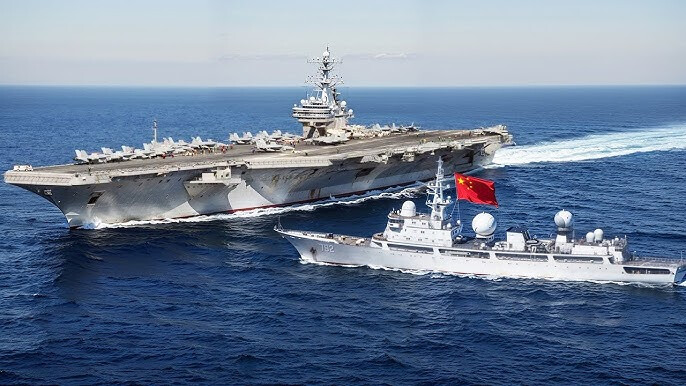
Changi Naval Base, Singapore – The navies of China and Singapore officially commenced a large-scale joint maritime exercise, codenamed 'Cooperation 2025,' at Changi Naval Base (CNB) in Singapore on the morning of May 9th. The exercise aims to bolster maritime security cooperation between the two nations. Representatives from both navies attended the opening ceremony, marking the start of the drills.
'Cooperation' is a series of regular joint exercises conducted by China and Singapore to enhance mutual maritime cooperation, and this year marks its fourth iteration. The current exercise will be conducted in three phases: shore-based exchanges, joint maritime training, and a closing ceremony.
During the shore-based exchange phase, the two navies will conduct joint operational planning seminars and cultural exchange activities. Simultaneously, they will engage in in-depth information and technical exchanges across various professional fields. This phase is expected to enhance interoperability between the two navies and lay the groundwork for improving their maritime operational capabilities.
The main joint maritime training phase will see naval vessels from both countries jointly conducting high-intensity drills, including anti-surface warfare exercises, replenishment at sea operations, joint search and rescue (SAR) exercises, and visit, board, search, and seizure (VBSS) operations. In particular, the VBSS training is expected to play a crucial role in strengthening joint response capabilities against various non-traditional security threats such as maritime terrorism, illegal arms trade, and piracy.
A total of four advanced warships from both navies have been deployed for this exercise, highlighting its scale and significance. China has dispatched the Type 054A missile frigate Xuchang (Hull 536) and the Type 082II mine countermeasures vessel Chishui (Hull 729). Singapore has deployed the Formidable-class missile frigate RSS Steadfast (Hull 70) and the Bedok-class mine countermeasures vessel RSS Bedok. The deployment of core assets by both nations indicates their commitment to enhancing practical maritime operational capabilities and demonstrating a joint willingness to respond to changes in the regional security environment.
The 'Cooperation 2025' exercise is particularly noteworthy as it takes place in the strategically important South China Sea. The South China Sea is rich in marine resources and a vital sea lane, where the interests of regional countries are acutely intertwined. China claims sovereignty over most of the South China Sea, leading to disputes with neighboring countries, while the United States and other Western nations emphasize 'freedom of navigation,' challenging China's claims. Amidst these complex dynamics, the joint exercise between China and Singapore could have subtle implications for the regional security landscape.
While Singapore is not a direct claimant in the South China Sea disputes, it is a key member of ASEAN and actively plays a role in maintaining regional peace and stability. Singapore pursues a balanced foreign policy, maintaining friendly relations with both the United States and China, and supports multilateral efforts for the peaceful resolution of regional conflicts. In this context, Singapore's joint maritime exercise with China can be interpreted not as a hostile gesture towards any specific country, but rather as an effort to build military trust and strengthen maritime security cooperation between the two nations, thereby contributing to regional stability.
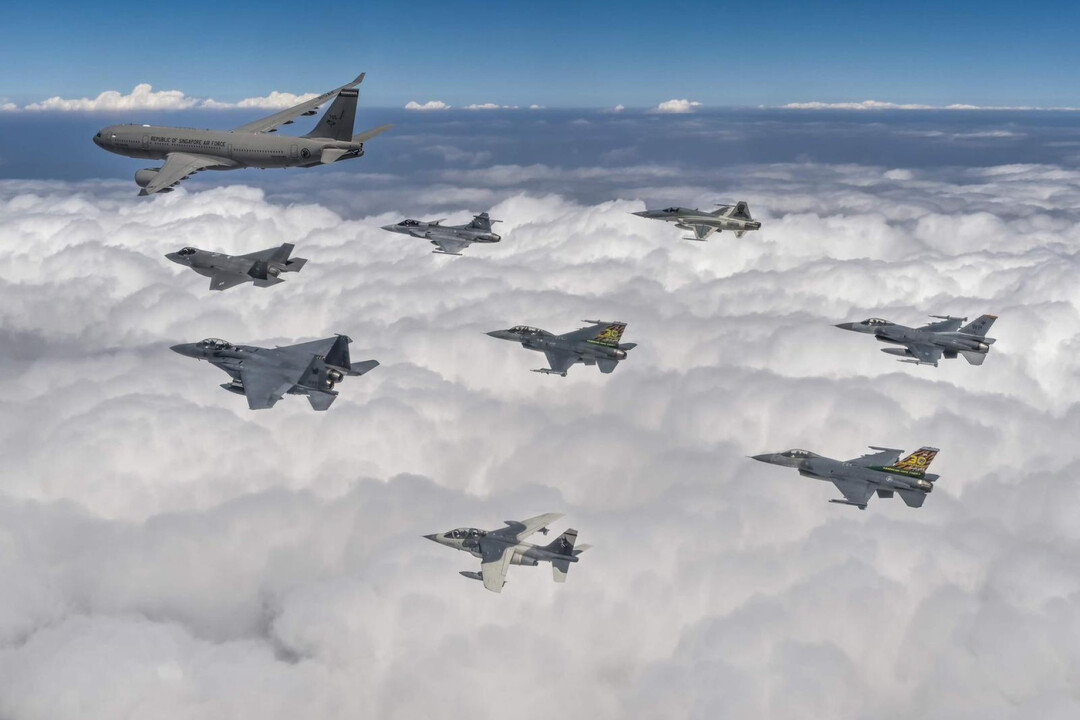
Some experts analyze that China may be using the joint exercise with Singapore to expand its military influence in the South China Sea and strengthen its relations with ASEAN countries. China is expanding economic cooperation with Southeast Asian nations through its 'Belt and Road Initiative' and is also moving to solidify its influence in the region through military cooperation. The joint exercise with Singapore could be seen as part of this broader strategic plan.
On the other hand, Singapore is likely to gain practical benefits from this exercise, including enhancing its own maritime operational capabilities and promoting military mutual understanding with China. While the Singapore Navy possesses modern warships, the Chinese Navy significantly outweighs it in terms of size and strength. Therefore, this exercise presents a valuable opportunity for the Singapore Navy to learn from the advanced operational capabilities and technologies of the Chinese Navy and improve its cooperation capabilities in a combined operational environment.
During the upcoming joint maritime training phase, the two navies will conduct exercises under various scenarios simulating real-world maritime situations. Anti-surface warfare drills will test their collaborative operational capabilities in naval combat scenarios, while replenishment at sea exercises will contribute to enhancing their long-range maritime operation capabilities. Joint search and rescue exercises will establish a cooperative framework between the two navies in the event of disasters, and VBSS exercises are expected to play a crucial role in strengthening joint response capabilities against non-traditional security threats.
The successful execution of 'Cooperation 2025' is expected to further solidify military trust between China and Singapore and positively contribute to enhancing maritime security cooperation in the South China Sea and the wider region. Amidst the complex and sensitive regional security environment, the constructive cooperation between the two navies can contribute, albeit modestly, to maintaining regional peace and stability. The outcome of the exercise and the future direction of maritime security cooperation between the two countries will be closely watched.
[Copyright (c) Global Economic Times. All Rights Reserved.]