![[등록] 2026-09-01 15:48:31](/support/_updata/banner2/tl181982910_6749.png)


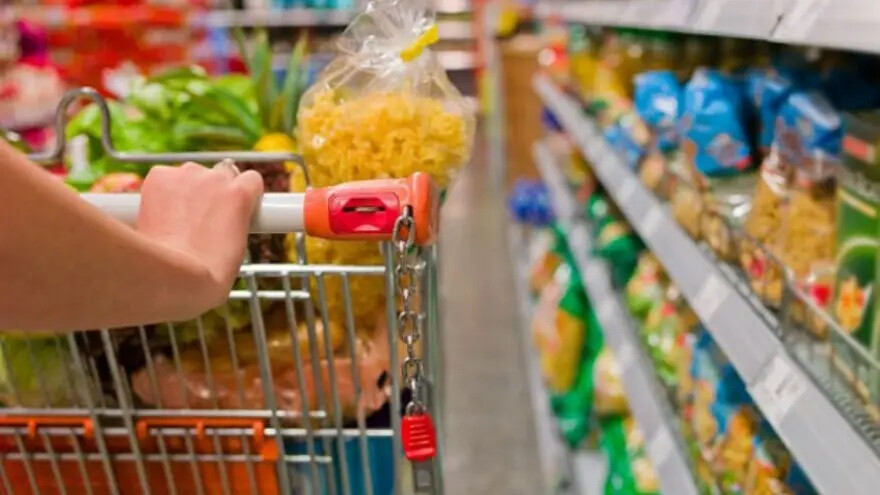
ASUNCIÓN, Paraguay – Over the past decade, inflation in Paraguay has surged significantly, while wage increases have lagged, leading to a substantial decline in the purchasing power of ordinary citizens. Rodrigo Ibarrola, an economist at the Center for Economic Analysis and Dissemination (Cadep), pointed out that while prices have risen by 50% in the last ten years, average wages have only increased by 39.6%. He emphasized that the impact on low-income households has been particularly severe, with food prices skyrocketing by 83% and transportation costs by 44%.
Real Wage Decline: Where Have the Benefits of Economic Growth Gone?
Analyzing the changes in real wages, which represent the purchasing power of nominal wages, Ibarrola revealed a striking paradox: despite Paraguay's economy growing by 27% over the past decade (2015-2024), workers' real wages have actually decreased by 4.5%. This alarming finding comes as Paraguay's economy is projected to achieve a growth rate exceeding 3.5% for the third consecutive year.
Dr. Ibarrola offered several critical insights into this phenomenon. He explained that "the reason why GDP growth does not always translate into real wage improvement is due to high informal employment, weak bargaining power of workers, and income concentration." He added that even when overall productivity increases through capital investment, labor demand may not proportionally increase, a trend partially observed in the contribution of growth factors.
"Growth may be concentrated in capital income rather than labor income. In any case, these are structural factors that are not easily resolved. You can see it in workers' wages. Excluding public sector employees, all workers are earning less than they did ten years ago," he asserted, emphasizing that the purchasing power of most workers has decreased when measured in Paraguayan Guaraní at 2015 values. He concluded that from 2015 to March 2025, while the general price level rose by 50%, average wages, adjusted for inflation, increased by less than 40%.
Soaring Food and Transportation Costs Directly Hit Ordinary Citizens' Pockets
"Food prices have increased by 83% and transportation costs by 44% respectively. This is what people directly feel in their pockets," Ibarrola compared, illustrating the immense impact of soaring essential goods prices on the lives of ordinary citizens.
According to a recent report by the Central Bank of Paraguay (BCP), the overall and sustained increase in prices of goods and services has reached 3% so far this year, with annual inflation standing at 4%. The inflation recorded this year has primarily affected items in the basic food basket, essential consumer goods, especially fruits and vegetables, as well as livestock products like beef.
Additionally, prices for durable consumer goods such as home appliances, automobiles, and telecommunications equipment have also risen. Concurrently, service costs, including those for restaurants, hotels, and travel packages, have increased. The prices of medicines, medical services, laboratory tests, and food and beverages offered in bars and restaurants have also shown an upward trend. This suggests widespread inflationary pressure across various sectors.
Minimum Wage Adjustment Discussions Begin: Calls to Reflect 'Actual Consumption'
Every year in June, the National Minimum Wage Council (Conasam) commences discussions to adjust the minimum wage. These discussions are based on the annual Consumer Price Index (CPI) fluctuation rate, or inflation. After deliberation, the council recommends a minimum wage adjustment to the executive branch, which then formally promulgates the decree.
However, this year's minimum wage discussions are expected to include a demand to change the indicator to reflect workers' actual consumption. Both President Santiago Peña and Minister of Economy Carlos Fernández have acknowledged that the current CPI basket does not accurately reflect actual consumption and have agreed to study a transversal basket to improve consumption measurement. This initiative is interpreted as an attempt to establish more realistic criteria for minimum wage adjustments, aiming to genuinely contribute to improving workers' living standards beyond a mechanical reflection of the inflation rate.
Structural Issues in Paraguay's Economy and Future Directions
Economist Ibarrola's analysis clearly highlights the structural challenges facing Paraguay's economy. The phenomenon where GDP growth does not translate into an improved quality of life for the entire population suggests a complex interplay of deepening income inequality, a large informal economy, and the concentration of productivity gains in capital income.
A high informal employment rate weakens social safety nets for workers, reduces their bargaining power, and contributes to the entrenchment of a low-wage structure. Furthermore, while agriculture and livestock are major industries in Paraguay, and manufacturing and services have recently grown through large-scale foreign investment, criticism has been raised that this growth has not led to qualitative improvements in employment or widespread wage increases.
While the government is showing positive signs by considering the introduction of new indicators for minimum wage discussions, short-term minimum wage increases alone cannot solve the structural problems. Sustainable development requires multifaceted efforts, including:
Formalization of the Informal Economy: Provide policy support and incentives to integrate workers from the informal sector into the formal economy, protecting workers' rights, and expanding social insurance and the tax base.
Strengthening Worker Education and Training: Expand technical education and vocational training programs that can contribute to productivity enhancement, empowering workers and creating higher-paying, quality jobs.
Establishing Fair Income Distribution Mechanisms: Strengthen workers' bargaining power in wage negotiations and establish institutional frameworks to ensure that corporate profits are reasonably distributed to workers.
Realistic CPI Basket: Accurately measure the impact of inflation through a CPI basket that precisely reflects actual consumption patterns, and make policy decisions based on this.
Revitalizing Social Dialogue: Promote social dialogue involving the government, labor unions, and businesses to find a balance between economic growth and income distribution, and jointly seek a sustainable economic development model.
For Paraguay to connect its current economic growth to a tangible improvement in the quality of life for its citizens, it must focus more on building a fair and inclusive growth model, going beyond mere numerical growth.
[Copyright (c) Global Economic Times. All Rights Reserved.]