![[등록] 2026-09-01 15:48:31](/support/_updata/banner2/tl181982910_6749.png)


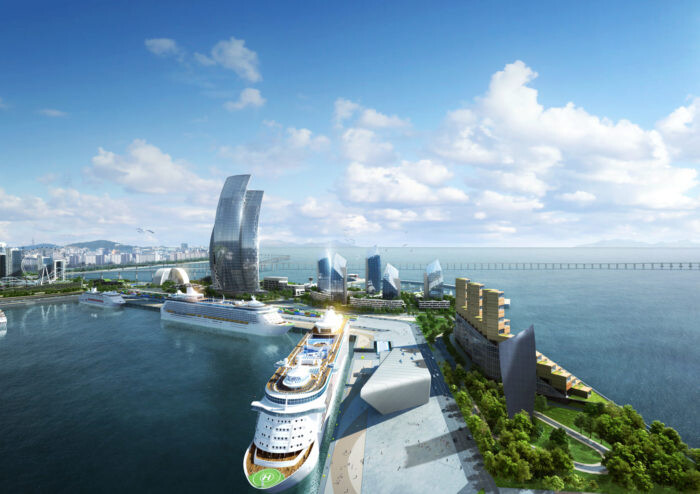
INCHEON, South Korea – The Incheon Port Authority (IPA), led by CEO Lee Kyong-gyu, is embarking on a significant transition to establish Incheon Port as an environmentally sustainable maritime center in response to climate change.
Recognizing the urgent need for ecological responsibility, IPA has been proactively managing air pollutant emissions within the port. Since 2018, the authority has implemented a target management system for particulate matter, demonstrating a long-term commitment to reducing its environmental footprint. These efforts have been further solidified by incorporating ambitious reduction targets into the IPA's core management objectives: a 60% decrease in ultrafine particulate matter emissions by 2030 and a 50% reduction in greenhouse gas emissions by 2035.
A cornerstone of IPA's strategy involves curbing emissions from vessels, a major source of air pollution and greenhouse gases in port areas. To achieve this, IPA is actively expanding the deployment of Alternative Maritime Power (AMP), also known as cold ironing. This technology allows ships berthed at the port to connect to an onshore electrical power supply, effectively eliminating the need to run their auxiliary engines on fuel oil while docked. The continued expansion of AMP facilities across Incheon Port's terminals is expected to significantly improve local air quality and contribute to the overall reduction of maritime emissions. Incheon New Port, a major container terminal within the Incheon Port complex, has already seen significant investments in AMP infrastructure.
Furthermore, IPA is collaborating with the Ministry of Oceans and Fisheries (MOF) to implement initiatives aimed at reducing vessel emissions through operational measures. The designation of a Port Air Quality Management Area, which includes a low-speed navigation zone, is a key component of this collaboration. Vessels adhering to the recommended low speeds within these zones are incentivized through a ship speed reduction program. This program not only lowers fuel consumption and associated emissions but also contributes to a safer maritime environment.
Addressing emissions from port operations equipment is another critical aspect of IPA's green transition. In partnership with the MOF, IPA has undertaken a phased approach to modernize its fleet. The first phase involved retrofitting existing diesel-powered yard tractors and transfer cranes operating within the port with Diesel Particulate Filters (DPFs). These devices effectively capture and remove harmful particulate matter from exhaust gases. The second, more ambitious phase focuses on the transition to low-carbon and zero-carbon cargo handling equipment. As part of this long-term strategy, IPA is actively pursuing the adoption of electric and hydrogen-powered machinery. Notably, Incheon Port is set to introduce 18 new electric yard tractors this year, marking a significant step towards a zero-emission equipment fleet. This commitment aligns with global trends in port automation and sustainability, where electric and autonomous vehicles are increasingly being adopted.
Incheon Port's proactive stance on environmental sustainability not only contributes to a healthier local environment and combats climate change but also enhances its competitiveness as a leading global port. By embracing green technologies and implementing forward-thinking policies, IPA is positioning Incheon Port as a model for sustainable port development in the 21st century, attracting environmentally conscious shipping lines and contributing to a greener global supply chain. The port's commitment extends beyond emission reduction to encompass broader ecological considerations, including waste management and biodiversity protection within the port area. Continuous monitoring and evaluation of these initiatives will be crucial to ensure their effectiveness and to identify further opportunities for environmental improvement.
[Copyright (c) Global Economic Times. All Rights Reserved.]