![[등록] 2026-09-01 15:48:31](/support/_updata/banner2/tl181982910_6749.png)


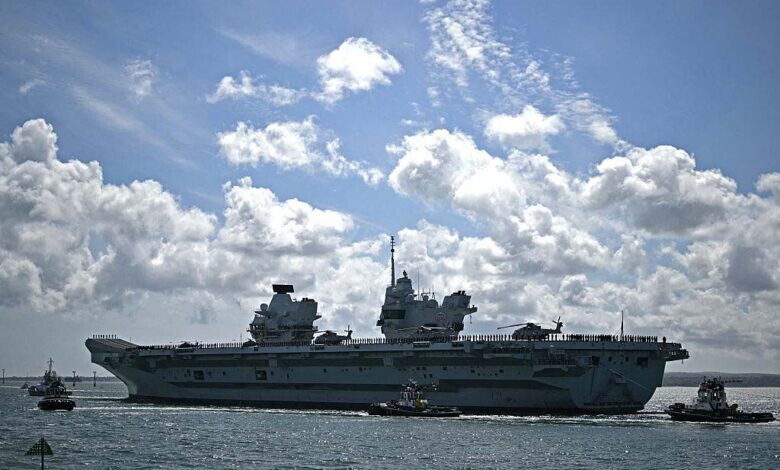
New Zealand is embarking on a significant military transformation, with a NZ$9 billion (US$7 billion) defense capability plan aimed at enhancing the New Zealand Defence Force's (NZDF) combat readiness. This overhaul is designed to align New Zealand more closely with its regional allies and partners and to address escalating geopolitical tensions in the Indo-Pacific.
Released in April 2025, the Defence Capability Plan outlines an increase in defense spending to more than 2% of the nation's Gross Domestic Product (GDP) over the next eight years—nearly doubling current levels. Prime Minister Christopher Luxon emphasized the long-term vision of the blueprint, stating, "While this blueprint looks out to the next 15 years, it also focuses on key priority investments over the next four years to ensure our Defence Force is adaptable to a changing international environment. Simply put, this is a floor, not a ceiling, for our Defence Force’s funding." This commitment signals a departure from New Zealand's historically lower defense spending, reflecting a growing recognition of the need for a more robust security posture in a volatile global landscape.
Officials stated the plan targets significant enhancements across various domains, including strike capabilities, naval and air force modernization, and unmanned surveillance technology. Specific procurements include advanced missile systems, long-range remotely piloted aircraft, and persistent surveillance platforms vital for monitoring New Zealand's vast maritime domain. The scope of projects ranges from infrastructure improvements at the Devonport Naval Base to increased investment in cybersecurity, reflecting a comprehensive approach to modernizing the armed forces.
Defence Minister Judith Collins underscored the urgency of the overhaul, citing a rapidly evolving strategic environment. "This plan specifically articulates the resources, equipment, and support required to modernize the New Zealand Defence Force for current and future operating environments," she stated. The need for this transformation has become increasingly apparent given recent regional developments and a perceived shift in the traditional security landscape.
Among the enhanced strike capabilities, the plan includes integrating advanced missiles such as the Norwegian-made Naval Strike Missile or the U.S.-made AGM-158C Long Range Anti-Ship Missile onto the NZDF's Anzac-class frigates and the Royal New Zealand Air Force’s P-8A Poseidon maritime patrol aircraft. The document specifies this aims "to deliver a deterrent effect and the ability to respond to adversary vessels at greater range." Such upgrades are critical for New Zealand to project power and protect its sovereign interests in its exclusive economic zone and beyond.
Investment in frigate sustainment will ensure the naval Anzac-class vessels remain operational into the early 2030s, bridging a potential capability gap before successor vessels can be introduced. Additionally, autonomous unmanned vessels are earmarked to augment maritime surveillance capabilities, providing persistent presence and reducing risk to personnel.
The urgency of these measures was underscored by a notable incident in February 2025 when China conducted live-fire naval exercises in the Tasman Sea, between New Zealand and Australia, forcing civilian aircraft to divert their routes. Analysts described the exercises as unprecedented, and both Australia and New Zealand expressed concerns over China’s inadequate prior notification. This event highlighted the increasing assertiveness of various actors in the region and the need for New Zealand to enhance its own defensive and deterrent capabilities.
The Defence Capability Plan explicitly acknowledges, "New Zealand’s geographic isolation no longer protects us from threats as it once did." This statement reflects a fundamental shift in New Zealand's security calculus, moving from a position of perceived natural security to a more proactive defense posture.
Furthermore, the plan seeks to deepen the alliance with Australia by integrating the New Zealand Defence Force with the Australian Defence Force under a framework of "combined military power to defend mutual interests, shared values, and territory." Equipment purchases will be coordinated to improve interoperability, ensuring that both nations can operate seamlessly together in joint operations. Notably, NZ$1.676 billion (US$1.2 billion) has been allocated to replace the Royal New Zealand Navy's Super Seasprite helicopters by 2027, with the U.S.-made MH-60R, compatible with Australian systems, being a likely successor, as reported by Naval News. This interoperability is crucial for collective security and response mechanisms in the Pacific.
This defense capability announcement followed a mid-March meeting between New Zealand Foreign Minister Winston Peters and U.S. Secretary of State Antony Blinken, where discussions centered on enhancing defense cooperation "to strengthen security and economic prosperity in the Pacific region." The U.S. State Department noted that both leaders "reaffirmed the strong U.S.-New Zealand partnership and shared commitment to regional stability." This diplomatic engagement underscores the broader strategic alignment driving New Zealand's defense modernization efforts, positioning the nation as a more capable and reliable partner in maintaining a free and open Indo-Pacific.
[Copyright (c) Global Economic Times. All Rights Reserved.]