![[등록] 2026-09-01 15:48:31](/support/_updata/banner2/tl181982910_6749.png)


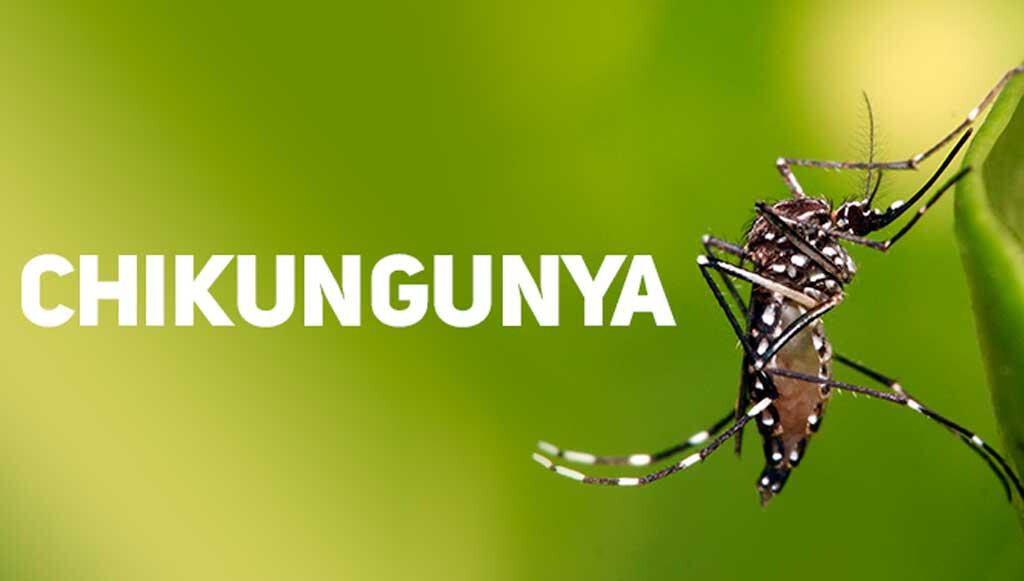
Asunción, Paraguay – A startling new study has revealed that approximately 37% of the population of the Republic of Paraguay may have been infected with the Chikungunya virus (CHIKV). Recent research conducted on blood donors has identified a high seroprevalence for the virus across wide-ranging areas, once again highlighting the severe impact of recent Chikungunya outbreaks on public health.
Chikungunya Infection Status Revealed by Blood Donor Study
According to a research paper published in the journal 'Medical Virology' on May 13, 2025, serum samples were collected and analyzed from a total of 546 blood donors across seven regional districts and the capital city of Asunción from March to May 2023. The results showed that the prevalence of antibodies to the Chikungunya virus (Anti-CHIKV IgG) reached 37.2%. This suggests that these donors had been previously infected with the Chikungunya virus.
Interestingly, the seroprevalence in males was nearly 10% higher than in females. However, no significant age-related differences were observed. Furthermore, the regional variability in Chikungunya seroprevalence was not significant, indicating that the virus has spread widely across Paraguay.
The research team concluded that this study suggests a high seroprevalence of Chikungunya virus among blood donors in Paraguay, and that the notable Chikungunya prevalence underscores the impact of recent outbreaks.
What is Chikungunya Virus?
Chikungunya virus is a mosquito-borne disease primarily transmitted by Aedes aegypti and Aedes albopictus mosquitoes. The virus was first discovered in southern Tanzania in 1952, and its name is derived from a Swahili word meaning 'to bend' or 'to impede movement.' This refers to the severe joint pain experienced by infected individuals, which causes them to stoop or have difficulty moving.
Key symptoms include high fever, severe joint pain, muscle pain, headache, nausea, fatigue, and rash. The joint pain, in particular, can persist for weeks or even years, significantly impacting patients' quality of life. While the fatality rate is low, infants, the elderly, and patients with underlying conditions are at risk of developing severe complications, and neurological complications can occur rarely.
There is no specific treatment for Chikungunya virus, and most treatments are supportive, aiming to alleviate symptoms. Over-the-counter pain relievers like acetaminophen are used to reduce fever and joint pain, and adequate rest and fluid intake are recommended.
Chikungunya Outbreak Status in Paraguay and the Threat of Mosquito-Borne Diseases
According to the U.S. Centers for Disease Control and Prevention (CDC), as of May 26, 2025, evidence of Chikungunya virus transmission in Paraguay has been confirmed within the last five years. This indicates that Paraguay has become an endemic area for the Chikungunya virus.
Latin American countries, including Paraguay, have long struggled with mosquito-borne diseases such as dengue fever and Zika virus. The risk of these diseases spreading increases, especially during the rainy season when mosquito populations surge. Approximately 2.2 million people visited Paraguay in 2024, and these travelers are at risk of exposure to the virus.
Paraguayan health authorities are fully committed to preventing and controlling Chikungunya and other mosquito-borne diseases. Key measures being implemented include eliminating mosquito breeding sites, strengthening vector control activities, and launching public awareness campaigns. They are also focusing on strengthening the healthcare system to rapidly diagnose and treat patients. However, the results of this study show that despite these efforts, the virus is still widespread, suggesting the need for more proactive and multi-faceted approaches.
Recommendations for Travelers and Vaccination
The CDC recommends that certain travelers visiting Paraguay consider Chikungunya vaccination. Chikungunya virus vaccines are currently available at travel clinics and pharmacies in the United States. This is important information for those planning trips to Paraguay, and it is crucial to consult with a healthcare professional before traveling to take necessary preventive measures.
The Chikungunya vaccine is a recent development, approved for use in some countries. This vaccine works by inducing an immune response against the virus, protecting against the disease. For individuals traveling to areas with a high risk of mosquito-borne diseases, vaccination can be a highly effective preventive measure.
In addition, travelers should strictly adhere to personal precautions to avoid mosquito bites. These include using mosquito repellents, wearing long-sleeved shirts and long pants, staying in accommodations with mosquito nets, and exercising extra caution during outdoor activities.
Future Challenges and Outlook
The status of Chikungunya virus infection in Paraguay presents significant public health challenges. The high seroprevalence means that a large proportion of the population has already been exposed to the virus, which could pose difficulties in preventing future outbreaks and supporting the health management of already infected individuals.
Further research is needed to identify accurate transmission routes and risk factors, with a deeper analysis required, especially for the higher prevalence observed in males. Furthermore, it is crucial to establish and implement effective mosquito control strategies, and efforts are needed to encourage community-based participation to eliminate mosquito breeding sites and improve environmental conditions.
Ultimately, expanding vaccination programs and strengthening public education on Chikungunya prevention will play a key role in reducing the public health threat in Paraguay. The results of this study provide important implications not only for Paraguay but also for other Latin American countries facing similar circumstances, re-emphasizing the global need for interest and cooperation in combating mosquito-borne diseases.
[Copyright (c) Global Economic Times. All Rights Reserved.]