![[등록] 2026-09-01 15:48:31](/support/_updata/banner2/tl181982910_6749.png)


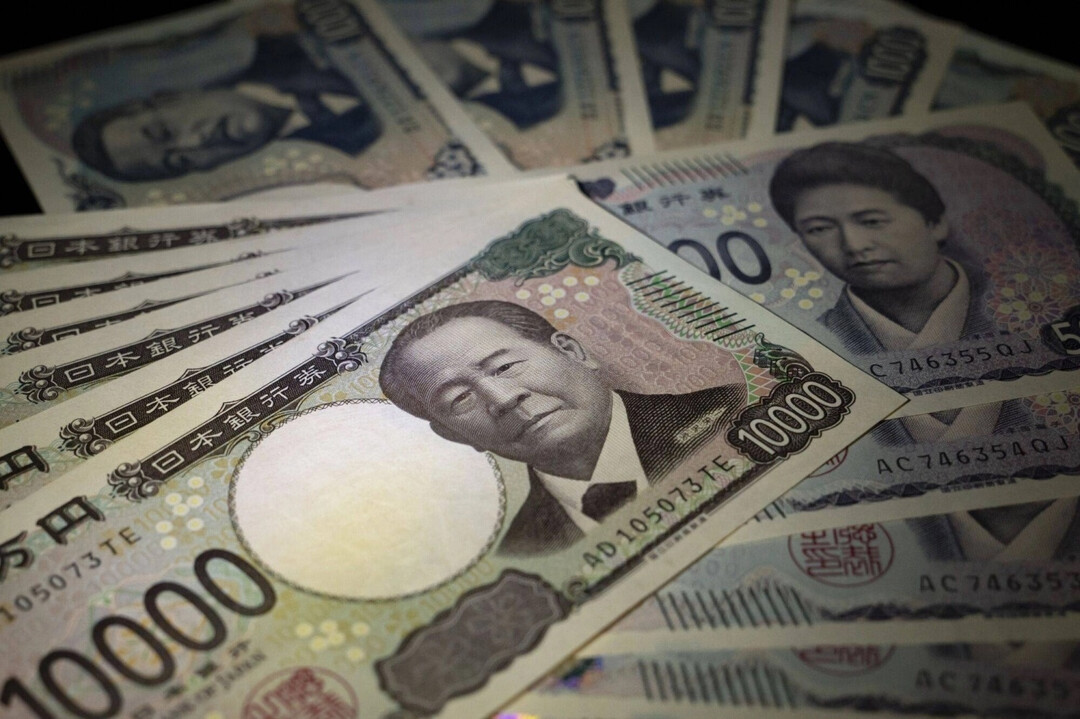
In a startling development that has sent shockwaves across Asian financial markets, the Japanese yen has plummeted to its lowest level against the U.S. dollar in nearly 40 years. As the yen-dollar exchange rate breached the 162 mark, the South Korean won faced intense downward pressure, briefly surpassing the 1,550 level against the dollar. This synchronization of currency devaluation has reignited widespread anxiety over a persistent "strong dollar" environment, challenging the economic stability of nations heavily reliant on trade and investment flows within the region.
The Historic Plunge of the Yen: A 40-Year Low
On June 30, 2026, the Tokyo foreign exchange market witnessed a historic moment as the yen-dollar exchange rate soared past 162, reaching as high as 162.35 during intraday trading. This level marks the weakest point for the Japanese currency since December 1986, shortly after the famous Plaza Accord, which sought to address the trade imbalances of the era. The rapid depreciation of the yen is not merely a transient market glitch but a deep-seated economic phenomenon rooted in policy divergence.
The primary catalyst for this historic depreciation is the persistently widening interest rate gap between the United States and Japan. While U.S. inflation data has proven more stubborn than anticipated—consistently defying expectations of a quick cooling—this has forced the Federal Reserve to maintain a "higher-for-longer" interest rate strategy. In stark contrast, the Bank of Japan (BOJ) has remained notably cautious regarding further rate hikes. This fundamental policy disparity has fueled a powerful trend of buying the dollar and selling the yen, effectively undermining the Japanese currency as investors seek higher yields elsewhere in the global market.
The Ripple Effect on the Korean Won and Financial Markets
The extreme weakness of the yen has acted as a catalyst for a broader devaluation of currencies across the Asian region, dealing a significant blow to the South Korean foreign exchange market. In Seoul, the won-dollar exchange rate closed at 1,549.4, up 4.2 won from the previous session, having briefly crossed the psychological barrier of 1,550 during the day. This depreciation has caused alarm among policymakers, businesses, and households alike, as the cost of imported goods and debt servicing increases.
This marks the first time in 16 trading days that the won has hovered at such levels since June 8. Market analysts largely attribute the won's weakness to the aggressive, large-scale sell-off by foreign investors in the domestic stock market. When foreign investors liquidate their Korean stock holdings and convert the proceeds back into dollars, the massive increase in demand for the dollar drives the exchange rate higher against the won. Foreign net selling reached a record-breaking 7.75 trillion won yesterday, followed by an additional 3.6 trillion won today, creating a compounding effect of pressure on the domestic currency. This massive outflow underscores the vulnerability of emerging markets to shifting global monetary tides.
Expert Perspectives: The 'Dollar Versus Non-Dollar' Struggle
Financial experts emphasize that the current market environment is characterized by a "dollar versus non-dollar" struggle that has persisted since 2022. Min Kyung-won, a researcher at Woori Bank, noted, "The yen is currently setting the 'mainstream' momentum in Asian markets, and the won is essentially following suit. Because the global market has solidified into a direct confrontation between the dollar and other currencies, the Korean won has become highly sensitive to the global dollar strength triggered by the yen's movement."
Looking ahead, Moon Jung-hee, a researcher at KB Kookmin Bank, highlighted the upcoming U.S. employment report due on July 2 as a critical inflection point. "Volatility is expected to expand based on the June U.S. employment figures. If the data shows continued economic strength, coupled with persistent pressure from foreign capital outflows, we could see the won-dollar rate sustain a position above 1,550, potentially leading to further concerns about imported inflation and increased debt service burdens for Korean firms."
The Prospect of Intervention and Future Outlook
As the 162-yen mark has been breached, attention is squarely fixed on whether Japanese financial authorities will deploy "live ammunition"—direct intervention by selling dollars and buying yen to defend their currency. While market participants believe that such an intervention could provide temporary relief, potentially pushing the rate back toward the high 150s, the consensus remains that any such effect would be limited as long as the underlying U.S.-Japan interest rate differential persists.
In the medium-to-long term, a structural rebound for the yen appears unlikely unless the Federal Reserve initiates a clear interest rate reduction cycle or the Bank of Japan adopts more aggressive tightening measures, such as significant rate hikes or reductions in government bond purchases. Some market analysts caution that without a shift in these fundamental economic drivers, the yen-dollar exchange rate could potentially climb even further, testing the 163–165 range.
Economic Consequences and Strategic Responses
The impact of this currency volatility is far-reaching. Beyond the immediate impact on stock markets, it affects the cost of imported energy, food, and raw materials, putting upward pressure on consumer prices. The South Korean government and central bank are in a difficult position; raising interest rates to defend the currency might help stabilize the won but could also slow down domestic economic growth, which is already under pressure from weakened exports and internal demand.
Market observers suggest that South Korea, along with other Asian economies, may need to strengthen their financial buffers and enhance surveillance of foreign capital movements to mitigate the risks of excessive exchange rate volatility. Strategic cooperation among regional central banks could potentially play a role, though the effectiveness of such measures is often debated.
Conclusion: Navigating the 'Strong Dollar' Era
As the world awaits the U.S. economic data, the "strong dollar" fear continues to reshape the landscape of regional finance, demanding cautious optimism and proactive risk management from investors and government officials. For South Korea, the 1,550-won threshold is more than just a number; it represents a psychological barrier and a practical challenge for import-heavy industries. As the regional economy navigates these turbulent waters, the interaction between global macroeconomic shifts and domestic financial resilience remains the key theme. The path forward remains uncertain, but one thing is clear: the era of the strong dollar is testing the mettle of Asian economies like never before.
[Copyright (c) Global Economic Times. All Rights Reserved.]