• 2026.06.19 (Fri)
  • All articles
  • LOGIN
  • JOIN
Global Economic Times
fashionrunwayshow2026
  • Synthesis
  • World
  • Business
  • Industry
  • ICT
  • Distribution Economy
  • Well+Being
  • Travel
  • Eco-News
  • Education
  • Korean Wave News
  • Opinion
  • Arts&Culture
  • Sports
  • People & Life
    • International Student Report
    • With Ambassador
  • Column
    • Cho Kijo Column
    • Cherry Garden Story
    • Ko Yong-chul Column
    • Kim Seul-Ong Column
    • Lee Yeon-sil Column
  • Photo News
  • New Book Guide
MENU
 
Home > World

Trump Signs MOU to End Hostilities with Iran; Hormuz Strait "Free Access" Clause Sparks Controversy

Ana Fernanda Reporter / Updated : 2026-06-18 09:27:09
  • -
  • +
  • Print


WASHINGTON – President Donald Trump has officially signed a Memorandum of Understanding (MOU) to end hostilities with Iran, the White House announced on Tuesday. While the agreement was originally scheduled to be signed in person in Switzerland on the 19th, President Trump expedited the timeline, allowing Iran to resume crude oil exports immediately for a 60-day period.

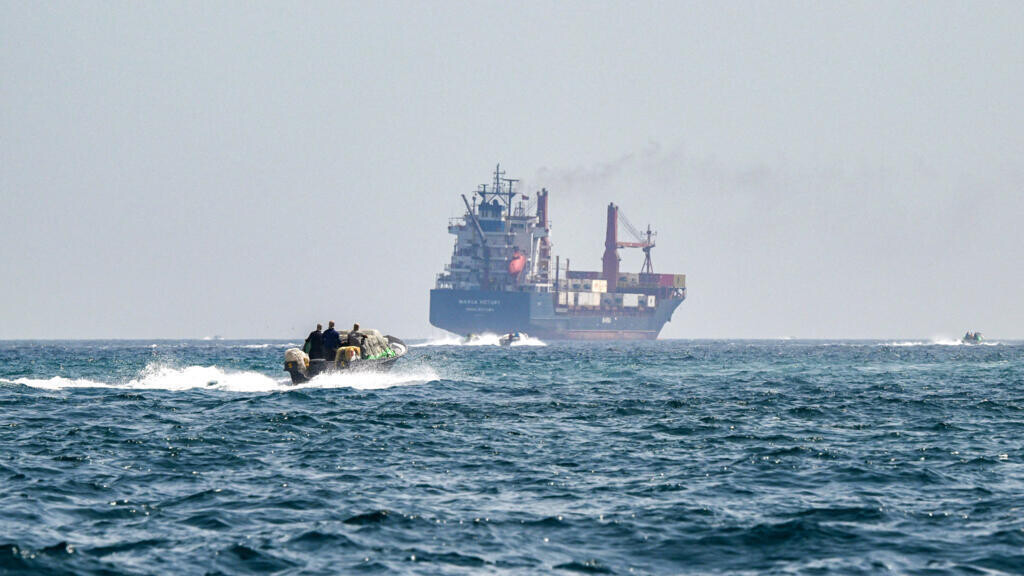
However, the 14-article MOU, recently disclosed by the U.S. government, has triggered significant debate. A primary point of contention is the status of the Strait of Hormuz. Article 5 of the MOU guarantees free, two-way passage for commercial vessels, but explicitly limits "toll-free" transit to only 60 days. Furthermore, the inclusion of a clause regarding future dialogue with nations like Oman to regulate "maritime services" has left the door open for Iran to impose transit fees.

This contradicts claims made by President Trump, who had previously assured that there would be no tolls. Mohammad Bagher Ghalibaf, Speaker of the Iranian Parliament, effectively formalized the intent to charge, stating in a state TV interview, "It is only natural that we will collect fees for the services we provide."

The deal also faces criticism for allegedly passing the burden of "war reparations" onto other countries and corporations. Article 6 outlines a plan to collaborate with regional partners to mobilize at least $300 billion for Iran's reconstruction and economic development. Critics argue that instead of the U.S. directly funding the effort, the plan essentially forces third-party international capital to cover the war reparations demanded by Iran.

Beyond these issues, the MOU mandates the completion of a final agreement within 60 days, the on-site dilution of Iran’s highly enriched uranium under IAEA supervision, and a promise of comprehensive sanctions relief.

A senior U.S. official stated that sanctions would be eased upon reaching a final settlement but maintained pressure by hinting that military action could be resumed if the negotiations fail.

[Copyright (c) Global Economic Times. All Rights Reserved.]

  • #Hormuz Impasse
  • #globaleconomictimes
  • #micorea
  • #mykorea
  • #nammidonganews
  • #singaporenewsk
  • #Samsung
  • #Daewoo
  • #Hyos
Ana Fernanda Reporter

Popular articles

  • US Signals Potential Re-Imposition of 'Global 10% Tariff' Post-July Expiration, Citing Section 122 Authority

  • Nvidia Hits Record Revenue for 12th Consecutive Quarter, Yet After-Hours Shares Edge Lower

  • Allegations of Rape and Torture of Gaza Activists Spark International Outrage; Israel Denies Claims

I like it
Share
  • Facebook
  • X
  • Kakaotalk
  • LINE
  • BAND
  • NAVER
  • https://www.globaleconomictimes.kr/article/1065572752622707 Copy URL copied.
Comments >

Comments 0

Weekly Hot Issue

  • Anthropic Officially Launches Seoul Office to Accelerate AI Expansion in Korea
  • Fed Maintains Rates, But Shifts to Hawkish Stance Under Chair Warsh
  • The Changing Landscape of K-Beauty Jobs: Big Names Shrink as ODM and Beauty-Tech Firms Lead Growth
  • AI Semiconductor Packaging Shifts Focus to 'Larger Footprints' and 'Advanced Thermal Management'
  • Asking about the Future of ‘Hangeul City Ulsan’… Special Lecture by Novelist Kim Jin-myung to be Held
  • Retail Investors Face Strict Penalties for 'Flipping' SpaceX IPO Shares

Most Viewed

1
Opening a 'New Horizon' for Korea-Pakistan Economic Cooperation… Exchange Event Successfully Held in Changwon
2
[In-depth Report] The Islamic ‘Halal Barrier’ Just Around the Corner… The Silent Screams of K-Beauty SMEs
3
[Interview] From Radiant Actor to Warm Companion… Actor Han Ji-il’s Great Second Act of Life
4
SK Telecom Ramps Up AI Drive with New Investment in Anthropic
5
Tesla and BYD Penetrate South Korea’s Stronghold as Domestic Auto Sales Stumble
광고문의
임시1
임시3
임시2

Hot Issue

Fed Maintains Rates, But Shifts to Hawkish Stance Under Chair Warsh

S. Korean Auto Industry Faces 'Triple Decline' in May, Despite Robust Growth in Eco-friendly Vehicles

Tragedy in LA: Police Shoot and Kill Pet Dog Mistaking Celebration for Distress Call

Weight-Loss Drugs Like Wegovy Show Promise in Treating Male Infertility

Fashion Runway Show 2026

Global Economic Times
korocamia@naver.com
CEO : LEE YEON-SIL
Publisher : KO YONG-CHUL
Registration number : Seoul, A55681
Registration Date : 2024-10-24
Youth Protection Manager: KO YONG-CHUL
Singapore Headquarters
5A Woodlands Road #11-34 The Tennery. S'677728
Korean Branch
Phone : +82(0)10 4724 5264
#304, 6 Nonhyeon-ro 111-gil, Gangnam-gu, Seoul
Copyright © Global Economic Times All Rights Reserved
  • 향기네무료급식
  • BCB부천방송
  • 반달곰 프로젝트
Search
Category
  • All articles
  • Synthesis
  • World
  • Business
  • Industry
  • ICT
  • Distribution Economy
  • Well+Being
  • Travel
  • Eco-News
  • Education
  • Korean Wave News
  • Opinion
  • Arts&Culture
  • Sports
  • People & Life 
    • 전체
    • International Student Report
    • With Ambassador
  • Column 
    • 전체
    • Cho Kijo Column
    • Cherry Garden Story
    • Ko Yong-chul Column
    • Kim Seul-Ong Column
    • Lee Yeon-sil Column
  • Photo News
  • New Book Guide
  • Multicultural News
  • Jobs & Workers