![[등록] 2026-09-01 15:48:31](/support/_updata/banner2/tl181982910_6749.png)


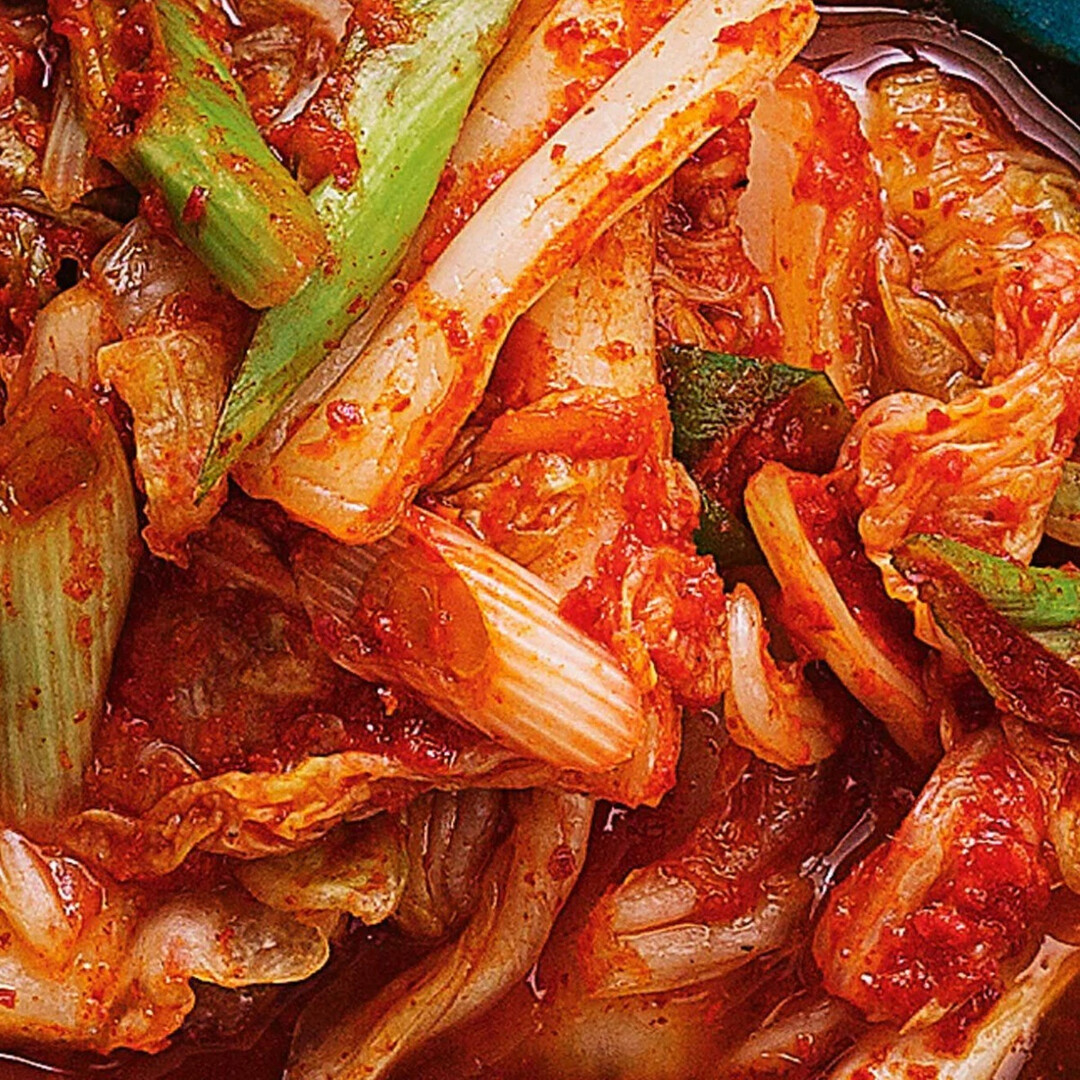
(C) Taste
South Korea’s kimchi trade is reaching new heights, but not entirely in the way policymakers would hope. While kimchi exports are projected to hit an all-time high this year, the simultaneous surge in imports has led to a widening trade deficit, presenting a complex challenge for the nation’s “Kimchi Diplomacy” efforts.
Data from the Korea Customs Service on Monday revealed a nuanced picture of the global kimchi market. As of October this year, cumulative kimchi exports reached $137.39 million (approximately 195 billion Korean won), marking a 2% increase from the same period last year. This export growth continues a remarkable upward trajectory fueled by the global popularity of K-Food and increased health consciousness since the COVID-19 pandemic.
However, the import side of the ledger tells a contrasting story. During the same period, cumulative kimchi imports also surged by 3.1% to $159.46 million (approximately 226 billion Korean won). This disparity has resulted in a trade deficit of $22.07 million, an increase of 10.3% compared to last year's figures.
The Export Success Story
The upward trend in kimchi exports is undeniable. Last year’s total export value of $163.57 million was a historic peak—nearly doubling the figure recorded in 2017 ($81.39 million). This momentum has been consistent, with exports hitting $148.12 million in 2022 and $155.60 million in 2023. The Ministry of Agriculture, Food and Rural Affairs (MAFRA) confidently forecasts that the 2025 total will surpass last year’s record, cementing kimchi’s status as a formidable global food brand.
Japan remains the largest and most valuable export market for Korean kimchi, accounting for $47.55 million in exports through October this year, a 4.4% increase year-over-year. The increasing global appetite for the spicy, fermented dish underscores the successful cultural and economic outreach of Korean cuisine.
The Import Conundrum
The enthusiasm over export records is tempered by the escalating volume of imported kimchi, which is nearly 100% sourced from China. The primary driver behind this import surge is a prolonged period of high inflation in South Korea, making cost-effective alternatives increasingly attractive. Chinese-made kimchi is typically priced at less than half the cost of its domestic counterpart, making it a staple for local restaurants and processed food manufacturers looking to manage input costs.
Last year, the total value of kimchi imports reached $189.86 million, a substantial 16.1% leap from the previous year and an all-time record. This trend has persisted into 2025, largely exacerbated by domestic supply issues. The price of napa cabbage (baechu), the main ingredient for kimchi, soared last year—earning it the moniker “gold cabbage”—due to the effects of abnormal climate conditions. Though prices have stabilized somewhat, the monthly average retail price remains higher than historical averages, keeping demand high for the cheaper imported alternative.
Government Strategy: Export-Focused Future
The widening trade deficit presents a policy challenge: how to simultaneously protect the domestic kimchi industry and capitalize on the K-Food export boom. The government’s current strategy leans heavily on maximizing export potential to offset the growing trade imbalance.
On November 21, at the 6th ‘Kimchi Day’ commemoration ceremony, Minister of Agriculture, Food and Rural Affairs Song Mi-ryung outlined the ministry’s vision. “The government will strive to ensure the kimchi industry leaps forward as a future export-oriented strategic industry and that kimchi establishes itself as a firm brand in the global food market,” she stated.
While an export-driven approach is critical for national branding and revenue, it must contend with the fundamental economic pressures driving the import market. The structural reliance of the food service and processing sectors on competitively priced Chinese kimchi, especially amid high domestic ingredient costs, suggests that the trade deficit may continue to deepen unless effective measures are taken to stabilize and lower the cost of domestic production. The challenge for policymakers will be to find a balance where the global success of K-Kimchi is not undermined by the competitive threat within its own borders.
[Copyright (c) Global Economic Times. All Rights Reserved.]