![[등록] 2026-09-01 15:48:31](/support/_updata/banner2/tl181982910_6749.png)


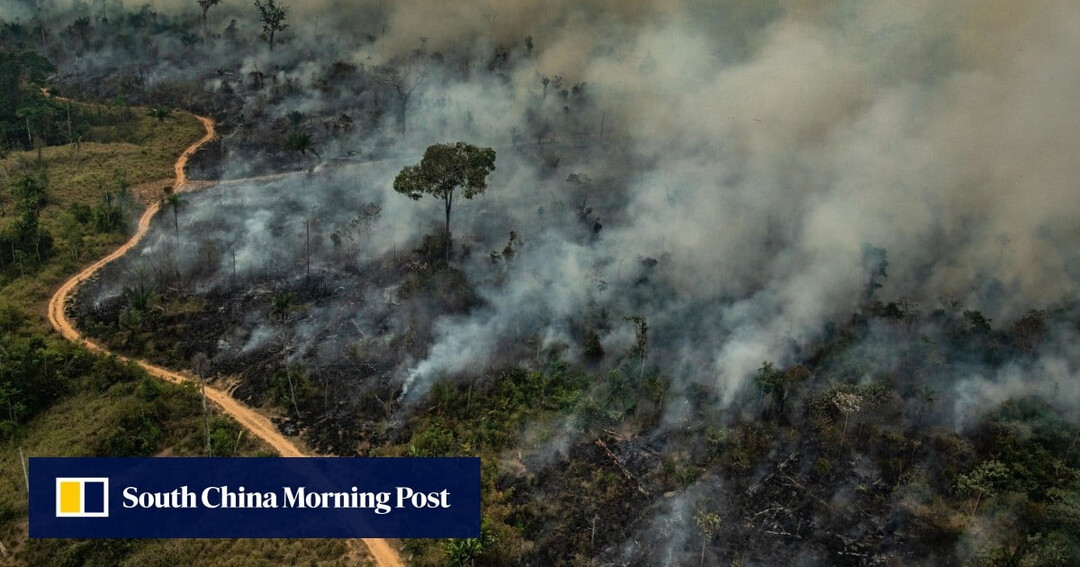
The escalating trade dispute between the United States and China is having truly far-reaching consequences on the global economy. As tariffs and retaliatory tariffs continue, growing warnings indicate that this trade conflict poses an unexpected threat to Brazil's vast Cerrado savanna and the Amazon rainforest on the other side of the world. Experts are concerned that the US-China trade war could accelerate agricultural expansion in Brazil, which in turn could lead to increased deforestation and the destruction of biodiversity.
Rising Demand for Soybeans and Meat Puts Pressure on Brazil
The trade dispute between the US and China directly impacts the soybean and meat markets. China has long been a major importer of US soybeans, but following the US-China trade dispute, it began imposing high tariffs on American soybeans. Consequently, China sought alternative import sources, and Brazil, one of the world's largest soybean producers, rapidly emerged as a prominent alternative.
Indeed, after the trade dispute began, Brazil's soybean exports increased explosively. While this may bring short-term revenue gains for Brazilian farmers, it has the potential to cause serious long-term environmental problems. To meet the growing demand for soybeans, Brazilian farmers are strongly incentivized to expand their cultivated land, which will inevitably lead to the clearing of vast forests in the Cerrado and Amazon regions.
The Cerrado, located in central Brazil, is a vast tropical savanna known as the second-largest biodiversity hotspot after the Amazon. It is home to countless endemic plant and animal species and plays a crucial role in the Earth's carbon cycle. However, indiscriminate clearing and slash-and-burn agriculture for agricultural expansion are severely damaging the Cerrado's ecosystem. The Cerrado has already been significantly destroyed due to the expansion of ranching and soybean farming, and the US-China trade dispute is analyzed as a catalyst that could further accelerate this destruction.
The Amazon rainforest is also not immune to this crisis. The Amazon accounts for a significant portion of the Earth's overall oxygen production and is a crucial ecosystem, often called the "lungs of the Earth." Furthermore, over 10% of the world's biodiversity is estimated to reside there. In addition to expanding soybean cultivation, China's increasing demand for meat could also fuel Amazon deforestation. Cattle ranching for meat production is one of the primary causes of Amazon deforestation. The rising meat consumption due to China's economic growth and growing middle class could increase Brazil's meat exports, forming a vicious cycle that leads to further Amazon deforestation to secure ranching land.
Brazil's Environmental Policies Shaken by Trade Disputes?
These concerns are also related to the direction of Brazil's government's environmental policies. In the past, Brazil made efforts to curb deforestation, but more recently, it has shown signs of easing environmental regulations, prioritizing economic growth. Particularly during the tenure of former President Bolsonaro, policies encouraging agricultural and mining development rather than environmental protection were pursued, leading to a sharp increase in Amazon deforestation. While the current Lula government shows more commitment to environmental protection than the previous administration, the temptation of expanded agricultural exports due to the US-China trade dispute could be a powerful factor that sways the Brazilian government's environmental policy stance. It is observed that maintaining strengthened environmental regulations will not be easy in a situation where economic gains appear clear.
The Responsibility and Role of the International Community
The impact of the US-China trade dispute on Brazil's environment is not a problem exclusive to specific countries. This is because the Cerrado and Amazon are ecosystems that play a key role in global climate change and the maintenance of biodiversity. Therefore, the international community must share a common responsibility for this issue and seek proactive solutions.
First, both the US and China must consider the environmental ripple effects in resolving their trade dispute. Sacrificing the sustainability of the Earth's ecosystems for short-term economic gains will inflict irreversible damage on all humanity in the long run. Efforts are needed to include sustainable agricultural practices and cooperation on environmental protection as part of trade negotiation agendas.
Furthermore, the international community must support Brazil's sustainable development and provide economic alternatives that can substitute deforestation. It is also important to support the Brazilian government's efforts toward environmental protection and to strengthen international monitoring and sanctions against illegal deforestation and development. Consuming nations should choose agricultural products and meat produced sustainably and strive to reduce demand for products that cause environmental destruction.
The Brazilian government also needs to demonstrate a firm commitment to environmental protection and find a balance between development and conservation. It should encourage technological development for enhancing agricultural productivity and the adoption of environmentally friendly farming methods, and implement strong legal measures and penalties against illegal deforestation.
Brazil's Cerrado and Amazon, which could become unexpected casualties of the US-China trade war, are issues directly linked to the future of the entire planet. Without global attention and cooperation to protect these ecosystems, we must remember that the fallout from the trade dispute could permanently sicken the "lungs of the Earth."
[Copyright (c) Global Economic Times. All Rights Reserved.]