PARIS — A massive wave of liquefied natural gas (LNG) supply is set to flood global markets over the next decade, potentially driving prices down to operational breakeven levels without triggering a proportional surge in Asian demand, according to the International Energy Agency’s (IEA) World Energy Outlook 2026.
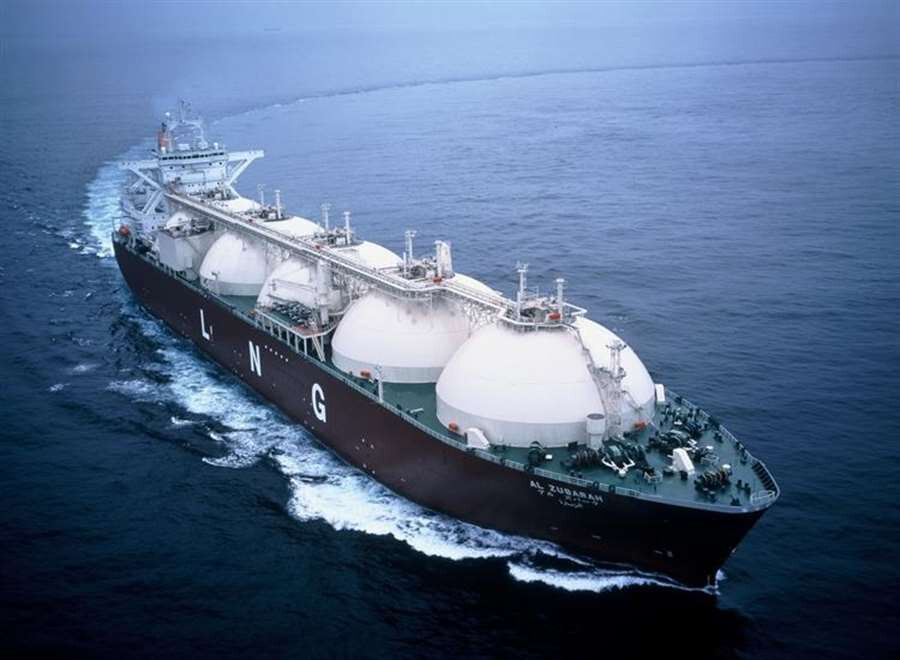
Released on November 19, the report projects that global LNG export capacity will climb from 610 billion cubic meters (bcm) annually to 940 bcm by 2035. Fueled largely by a slate of U.S.-led liquefaction projects already under construction, this expansion represents a more than 50% jump in global supply—an increase the agency characterized as unprecedented.
However, once geopolitical disruptions in the Strait of Hormuz subside, producers may struggle to find buyers for the surplus fuel.
A Widening Supply-Demand Chasm
In its Stated Policies Scenario (STEPS), which accounts for formally proposed government measures, the IEA estimates a 70 bcm surplus between export capacity and actual demand by 2035.
That imbalance widens dramatically under the agency’s Additional Response Case (ARC)—a pathway modeling stricter energy-security policies currently under consideration by importing nations. If countries actively curb gas reliance, global LNG demand growth through 2035 would stay below 100 bcm, leaving an oversupply gap of roughly 260 bcm.
"Continued uncertainty over Middle Eastern supply prospects is making price-sensitive Asian importers more wary of gas," the IEA noted, warning that recurring supply shocks—first from Russia’s 2022 invasion of Ukraine and now tensions in the Middle East—have deterred buyers from investing in import terminals and pipelines. Without accelerated infrastructure buildouts in emerging markets like India and Southeast Asia, importers may simply lack the physical capacity to absorb cheaper gas.
Cheap Gas vs. Cheaper Clean Energy
As excess supply hits the market in the early 2030s, spot prices could plunge toward short-run marginal costs—covering only feedgas, liquefaction, shipping, and regasification expenses while leaving project developers unable to recoup capital investments. The IEA estimates the delivered operating cost of U.S. LNG to key Asian hubs at roughly $6 per million British thermal units (MBtu).
While rock-bottom prices historically stimulate fuel consumption, rapid declines in the cost of solar, wind, and battery storage are expected to blunt any gas rebound. Furthermore, displacing coal-fired power in Asia would require gas prices to fall well below suppliers' operational floor costs.
Citing the cyclical nature of commodity markets and lingering geopolitical risks, the IEA emphasized that low gas prices are unlikely to be permanent, urging nations to pursue electrification backed by domestic renewables for long-term price stability.
South Korea’s Strategic Pivot
For major Northeast Asian buyers such as South Korea and Japan—which rely on LNG for 100% of their gas consumption—the incoming supply glut signals a structural shift in both energy policy and market leverage.
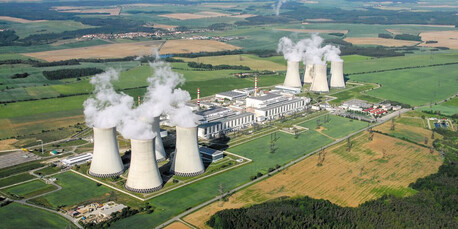
Under the IEA’s baseline projections, South Korea’s gas-fired electricity generation is forecast to decline from 175 terawatt-hours (TWh) to below 120 TWh by 2040. Simultaneously, nuclear output is projected to expand from 185 TWh to over 230 TWh, while wind generation jumps from less than 5 TWh to over 130 TWh.
Rather than serving as a baseload fuel, natural gas in South Korea and Japan is transitioning into a backup role—providing grid flexibility, peak power capacity, and system resilience when renewable output dips or grid expansions face delays.
As the market tilts firmly in favor of buyers, South Korean importers are expected to gain significant leverage to demand lower prices, more flexible contract terms, and lower carbon intensity from producers. Still, the IEA cautions that policymakers must carefully navigate the trade-offs between capitalizing on cheap spot supplies and maintaining long-term energy security through diversification.
[Copyright (c) Global Economic Times. All Rights Reserved.]