![[등록] 2026-09-01 15:48:31](/support/_updata/banner2/tl181982910_6749.png)


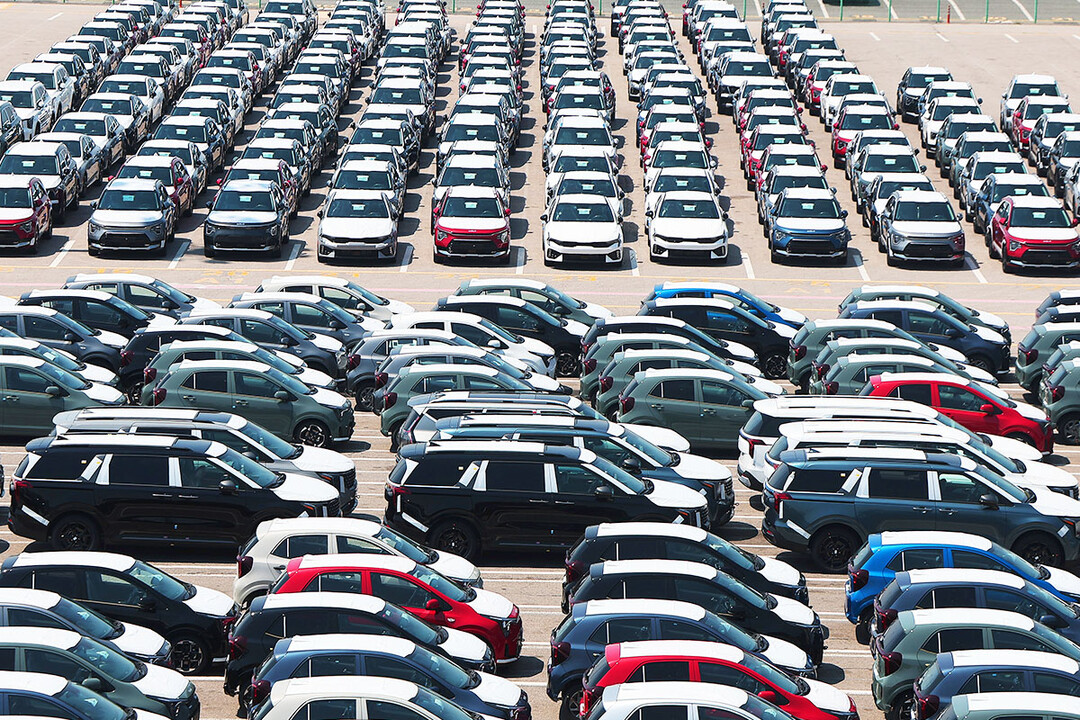
The U.S. automotive market is grappling with a significant wave of price increases, a direct consequence of the robust tariff policies enacted by the Donald Trump administration. Following the imposition of substantial tariffs on imported vehicles and parts, major automakers are systematically raising prices, escalating concerns about the financial strain on American consumers.
The landscape of the automotive industry shifted dramatically after the U.S. government implemented a 25% tariff on imported cars last April. This move was preceded by a 25% tariff on automotive components and vehicles from Mexico and Canada, effective March 4, and a broader 10% universal tariff on all U.S. imports, introduced on April 5. Chinese products, in particular, face steep duties of up to 104%. These protectionist measures, ostensibly aimed at bolstering domestic manufacturing and rectifying trade imbalances, have, according to prevailing analyses, paradoxically led to decreased U.S. production and a marked rise in new car prices. Data from May 2025 indicates a 2.5% surge in the average price of new vehicles sold in the U.S. Industry analysts project that tariffs could add an average of $2,000 to new vehicle prices, with consumers bearing approximately 80% of this added cost. Some estimates suggest price hikes ranging from $2,500 to $4,500 for smaller models and potentially up to $20,000 for luxury imports.
Under the influence of these tariffs, Toyota Motor, the leading automaker in U.S. sales, announced price adjustments. Effective July 1, vehicles produced for the U.S. market will see an average increase of approximately $268, with Lexus luxury models rising by about $203. Delivery costs have also been increased since mid-June. While Toyota attributes these changes to market dynamics, the industry estimates the company has incurred around $1.23 billion in tariff-related costs over April and May alone, underscoring the undeniable impact of the duties given its annual export of about 500,000 vehicles from Japan to the U.S.
Other major players have followed suit. Ford, the second-largest seller in the U.S., has increased prices for its Mexico-produced vehicles destined for the American market. Subaru and Mitsubishi Motors have also implemented price adjustments, with Mitsubishi reportedly increasing prices by 2.1% from June 18. Domestic automaker Hyundai Motor is also reportedly evaluating price hikes for its U.S.-bound vehicles. While Hyundai cites regular market adjustments, industry observers interpret this as a strategic response to mitigate tariff impacts. Hyundai has actively repositioned its supply chain, moving some production of its popular Tucson SUV from Mexico to the U.S., and establishing a dedicated tariff response task force. This comes as Hyundai's U.S.-bound exports have plummeted by 99% due to the tariff environment.
Automakers are employing various strategies to navigate the tariff landscape, including absorbing some costs, pressing suppliers for concessions, raising sticker prices, and even pausing imports or discontinuing certain models. Many global brands with U.S. assembly plants are looking to increase domestic output or relocate production to North American facilities to circumvent border levies. Brands like Buick, Hyundai, and Kia are projected to face some of the steepest price increases, while those with more localized supply chains, such as Tesla and Jeep, are expected to be less affected.
The expanding impact of these tariff policies on the U.S. automotive market is expected to sustain the upward trajectory of vehicle prices. This trend poses a direct economic burden on American consumers, potentially diminishing purchasing power, particularly for middle-class and working-class households. Analysts predict a downturn in U.S. vehicle sales, with projections ranging from a 700,000-unit decline this year to a million fewer vehicles sold over the next three years. Concerns are also rising about the adverse effects on electric vehicle adoption if current incentives are reduced or eliminated due to tariff-related policy shifts.
The Democratic party has voiced strong criticism, arguing that these measures primarily fuel domestic inflation and demanding their withdrawal. As the U.S. government's trade policies continue to reshape the automotive sector, ongoing developments in market dynamics and trade relations remain a critical point of focus.
[Copyright (c) Global Economic Times. All Rights Reserved.]