![[등록] 2026-09-01 15:48:31](/support/_updata/banner2/tl181982910_6749.png)


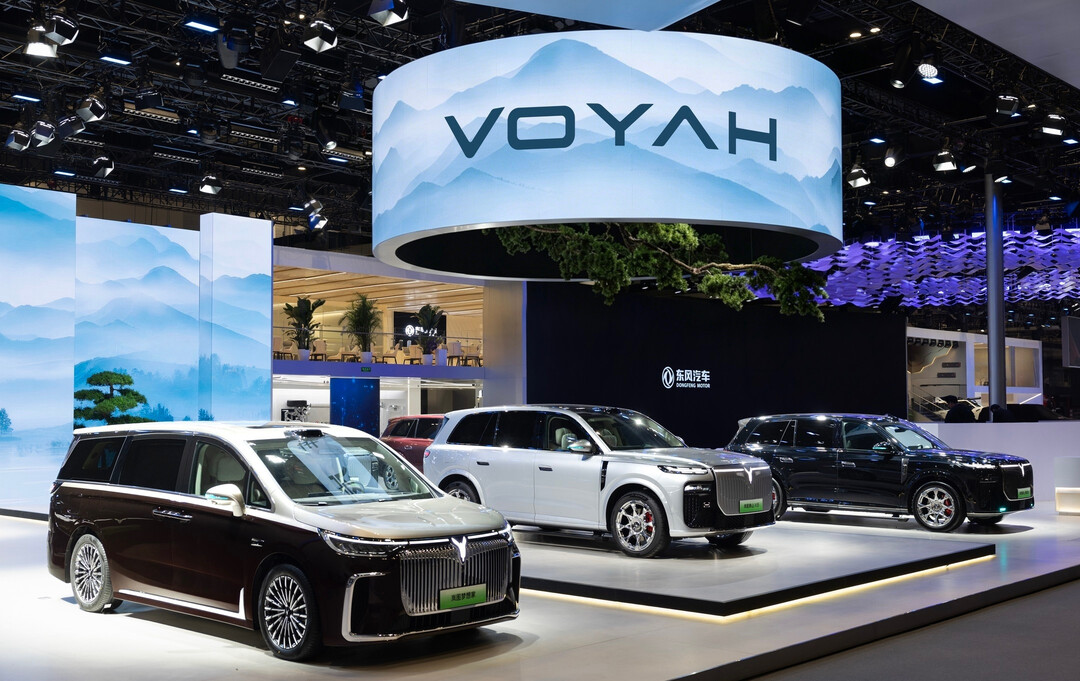
PARIS — In a landmark move poised to reshape the European automotive landscape, global automotive giant Stellantis has entered into a strategic partnership with China’s state-owned Dongfeng Motor Corporation to manufacture electric vehicles locally in France. This collaborative venture represents a critical shift in tactics for Chinese automakers, who are increasingly pivoting toward domestic European manufacturing to effectively bypass escalating European Union tariff barriers targeted at Chinese-built electric vehicles.
According to sources familiar with the matter, Stellantis and Dongfeng Motor have officially agreed to establish a joint venture entity, with Stellantis holding a controlling 51 percent majority stake. Under the terms of the agreement, the new partnership will utilize Stellantis’s historic Rennes manufacturing plant in western France to produce vehicles under Dongfeng’s dedicated premium electric vehicle brand, "Voyah."
The choice of the Rennes plant carries significant weight within the European industrial sector. Established originally in 1960, the facility serves as a foundational manufacturing hub for Stellantis. During its operational peak in the early 2000s, the facility boasted an annual production capacity exceeding 400,000 vehicles. Rejuvenating this facility for premium EV production allows Stellantis to optimize its production infrastructure while providing Dongfeng with immediate access to established tier-one manufacturing assets inside the European single market.
Industry analysts view this alliance as a highly calculated regulatory and economic strategy. The European Union has progressively tightened its trade policies, imposing substantial countervailing duties on Chinese EV imports to shelter its domestic industrial sector from lower-priced foreign competition. By shifting from a direct-export commercial model to an on-site, localized manufacturing footprint, Dongfeng aims to neutralize the financial impact of these tariffs, preserve competitive pricing matrices, and enhance its brand credibility among western European consumers.
This development is reflective of an accelerating trend among Chinese automotive conglomerates aggressively seeking a presence in Europe. Dongfeng has articulated highly ambitious international growth targets. During the Beijing International Automotive Exhibition held last month, the company announced its vision to achieve total global sales of 4 million units by the year 2030. Crucially, Dongfeng intends to secure over 40 percent of that volume from international markets outside of China, a target that necessitates deep market penetration within continental Europe.
The industrial ties between Stellantis and Dongfeng have expanded with remarkable speed in recent weeks. Just last week, the two companies disclosed a separate joint investment package valued at 1 billion euros (approximately 1.75 trillion KRW) dedicated to expanding operations at their facility in Wuhan, China. That initiative focuses on the co-production of electrified models under the Peugeot and Jeep brands, illustrating a deeply interconnected, reciprocal cross-border relationship between the two automotive powerhouses.
Furthermore, Stellantis is scheduled to host a comprehensive investor briefing tomorrow, where top executives are slated to unveil the group's updated commercial blueprints designed to reclaim lost market share across both North America and Europe. This newly announced French production venture with Dongfeng is anticipated to feature as a core pillar of their collaborative operational efficiency architecture.
Dongfeng is far from alone in pursuing this localized operational framework. A broader influx of Chinese automotive capital is currently flowing into the European manufacturing sector. Rival companies XPeng and Guangzhou Automobile Group (GAC) have successfully established contract manufacturing arrangements utilizing the Magna Steyr facilities located in Austria. Concurrently, Chery Automobile is reportedly finalizing lease agreements for existing industrial facilities across Europe. This structural transformation underlines an evolution from simple product export to a deeply embedded industrial presence within Europe.
[Copyright (c) Global Economic Times. All Rights Reserved.]