

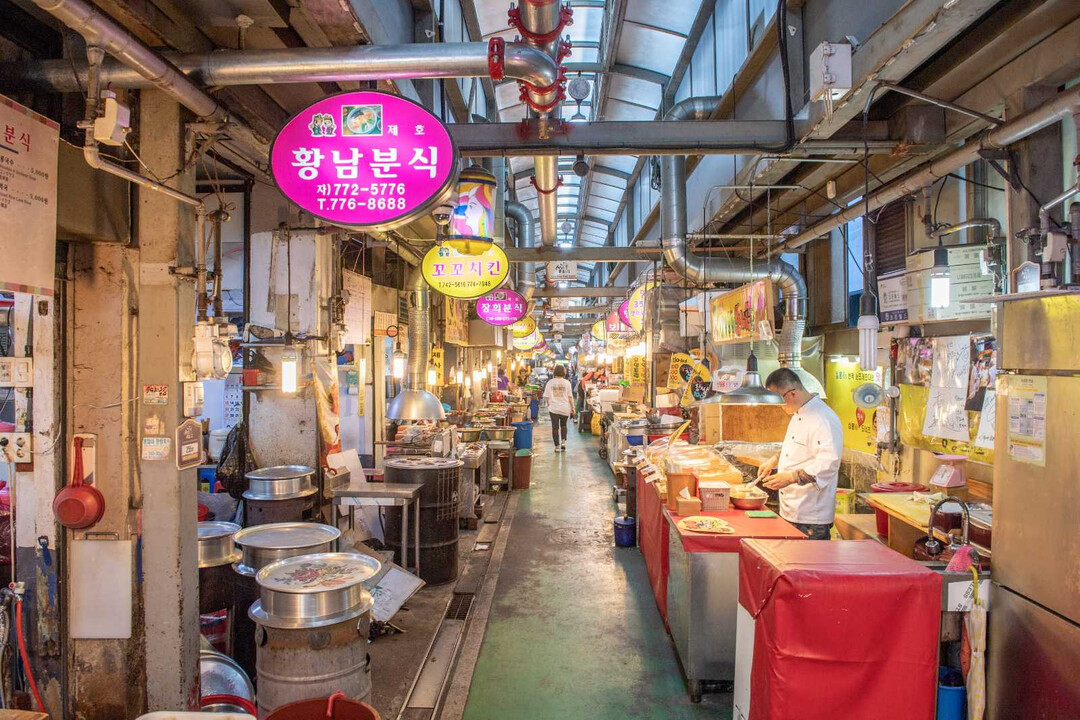
GYEONGJU — Gyeongju, the ancient capital of the Silla Kingdom, is renowned for its historical sites, but a deeper sense of its living culture can be found in its bustling traditional markets. These vibrant hubs of commerce and community serve as a barometer of local life, successfully blending centuries-old traditions with modern revitalization efforts. From daily operations to five-day markets and popular night bazaars, Gyeongju's markets are not merely places to shop but destinations to experience the city's authentic spirit.
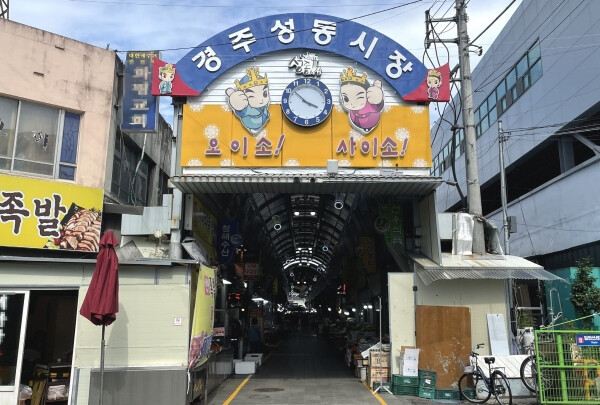
Seongdong Market: A Hub of Commerce and Culinary Delights
As Gyeongju’s largest wholesale market, Seongdong Market serves as a central point for local commerce. Originally established as a salt market, it relocated to its current site across from the former Gyeongju Station in 1971. The market has undergone significant modernization, including the construction of a three-story parking garage in 2016, greatly improving accessibility for both vendors and customers. The market is efficiently organized by product type, featuring dedicated sections for vegetables, fruits, dried seafood, and general goods, making for a convenient shopping experience.
Seongdong Market has gained particular fame among tourists for its exceptional food offerings. The market's Snack Alley is a popular spot, renowned for its diverse selection of classic Korean street foods like gimbap (rice rolls), tteokbokki (spicy rice cakes), and sundae (blood sausage). Many stalls have earned a reputation for their specialty items, such as burdock root gimbap and glutinous sundae. Additionally, the market's Korean Buffet Village features a collection of small eateries where patrons can enjoy hearty, home-style meals with dozens of side dishes for a very reasonable price.
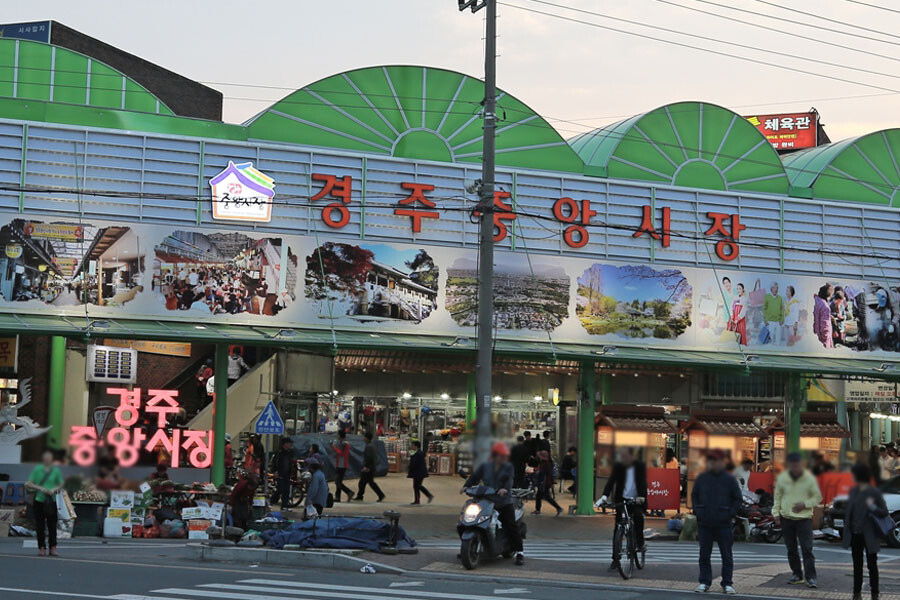
Jungang Market: A Century of History with a Modern Twist
Claiming the longest history among Gyeongju's downtown markets, Jungang Market has been a center of trade for over a century. It was officially established in its current building in 1983, evolving from a spontaneous five-day market that had operated since the early 1900s. The market maintains this dual structure, with permanent shops operating daily within the building and a traditional five-day market appearing on days ending in 2 and 7. The market is particularly known for local delicacies such as dombaegi, a traditional salted shark meat, and its cluster of eateries specializing in rich and flavorful so-meori gukbap (beef head soup).
Jungang Market’s most compelling modern feature is its hugely successful night market, which launched in April 2016 as part of a government-led initiative to revitalize traditional markets. Located in an arcade on the market’s north side, the night market features more than 20 hanok-style stalls offering a wide array of street food. From international flavors like kebabs and Vietnamese pho to classic Korean snacks such as fried shrimp and dakgangjeong (sweet and sour fried chicken), the night market attracts a large and diverse crowd. To enhance the experience, a seating area with flat benches allows visitors to enjoy their food immediately.
In a recent innovation, the market introduced a "10,000 Won Happiness BIG4" coupon. This system allows customers to purchase a coupon and receive a four-section bento box, which they can then fill with a choice of four different menu items from participating vendors. This initiative caters to modern tourists who seek to sample a variety of flavors, offering both variety and value.
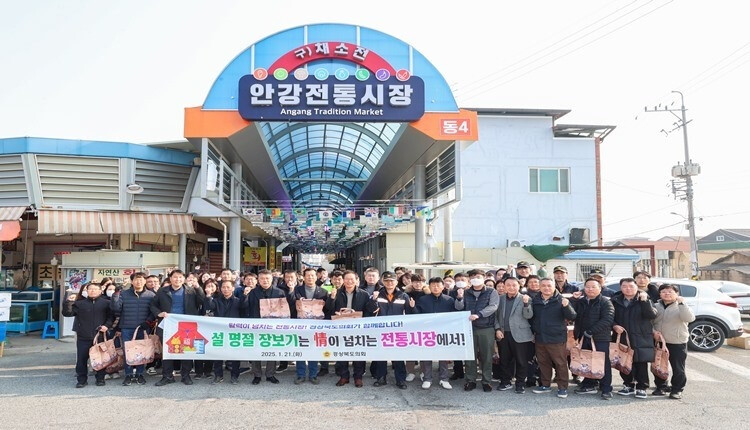
Angang Market: A Crossroads of Land and Sea
As the largest traditional market in Gyeongju’s northern region, Angang Market has been a vital trading post since its establishment in 1923. With over 400 shops, it has also undergone modernization, including the installation of a ceiling arcade to create a more comfortable shopping environment. The market operates on a traditional five-day cycle, opening on days ending in 4 and 9.
Angang Market’s unique location near the border of Gyeongju and Pohang allows it to offer a remarkable blend of goods from both land and sea. Shoppers can find local agricultural products such as Angang persimmons, chili peppers, and cabbages, alongside a wide variety of fresh seafood like mackerel, hairtail, seaweed, and various shellfish, sourced directly from the nearby coast.
The market’s most distinctive feature is its famous Sesame Oil Alley. The air is thick with the rich, nutty aroma of freshly pressed sesame oil, a result of the seasoned expertise of the local oil presses. This specialized section is a testament to the market’s deep-rooted traditions and its role in supplying the region with high-quality local products.
Gyeongju's traditional markets are a testament to the city's ability to preserve its cultural identity while embracing change. They provide a dynamic and engaging experience for visitors, offering a glimpse into the daily life and generous spirit that define this historic city.
[Copyright (c) Global Economic Times. All Rights Reserved.]