![[등록] 2026-09-01 15:48:31](/support/_updata/banner2/tl181982910_6749.png)


Sejong City is facing significant challenges in its pursuit of the Ministry of Education's Regional Innovation-centered University Support System (RISE) initiative. The RISE project, which aims to establish a system where local governments take charge of education and support universities in connection with regional development, is set to be implemented in earnest in 2025 with a total budget of over 2.4 trillion won.
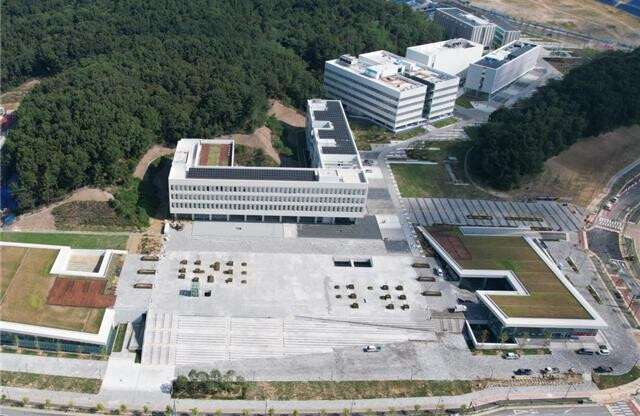
In response to the RISE initiative, Sejong City proposed the "One-Campus" plan, which aims to create a unique campus environment optimized for the city's small size. The plan focuses on establishing a joint campus in Jiphyeon-dong and leveraging the city's 15 national research institutes to transform the entire city into a university campus. The goal is to break down barriers between industry, academia, research, and government, and foster collaborative education and research to secure sustainable growth engines for the city.
Key tasks under the plan include establishing a foundation for a self-sufficient economy by expanding industrial scale and anchor companies based on rapid growth in the manufacturing sector, and seeking ways to nurture talent and promote settlement in the region through cooperation between universities, industries, and national research complexes.
While Sejong City secured 3.5 billion won in national funding for its excellent evaluation in the governance promotion system, it did not make the top 10 list of metropolitan governments in the five-year plan category, raising concerns about potential difficulties in promoting more aggressive projects. The city has raised concerns about the evaluation process with the Ministry of Education, but they have not been addressed.
Currently, it is crucial for Sejong City to accelerate the attraction of universities, research institutes, and companies to expand its capacity. The city's major universities are currently at a weak level, with only a few campuses and departments in Jochiwon, Janggun-myeon, and Jiphyeon-dong.
Key tasks for the city include the opening of Chungnam University's College of Medicine and Graduate School and the completion of the Bio Support Center this year, the opening of Chungnam University's AI and ICT-related colleges and graduate schools and Kongju University's AI and ICT-related colleges and graduate schools in 2027, the normal opening of Korea University Sejong Campus's Graduate School of Administration and IT/AI-related colleges in 2028, and the attraction of additional universities to the joint campus.
The successful development of the Geumgang River Future (Complex) Campus is also a critical task. This project, which aims to create a corporate-type research and development (R&D) campus town, is attracting attention for its potential to attract high-tech companies by the end of this year.
It is also necessary to maximize the strengths of the Opportunity Development Zone, which was designated last year. This system provides simultaneous support for tax reductions and regulatory exemptions for companies that relocate, establish, or expand their businesses in the region. It is expected to serve as a regional development hub in connection with the RISE project, fostering customized talent development and settlement conditions between elementary, middle, high schools, universities, and companies.
In terms of incentives, the reinstatement of the "special housing supply" system, which was abolished in May 2021, is a priority.
Kim Heon-young, chairman of the RISE Committee, emphasized the importance of collaboration between local governments, universities, and various innovation entities to achieve effective regional innovation. He pledged that the RISE Committee will actively promote the settlement of the RISE initiative and the creation of early results.
Sang Byeong-heon, a member of the Sejong City Council, stressed the importance of nurturing local talent and urged the city to develop measures to ensure that young talents stay and settle in Sejong City after graduation. He also called for a thorough review and implementation of the RISE project plans submitted by universities in the region.
[Copyright (c) Global Economic Times. All Rights Reserved.]