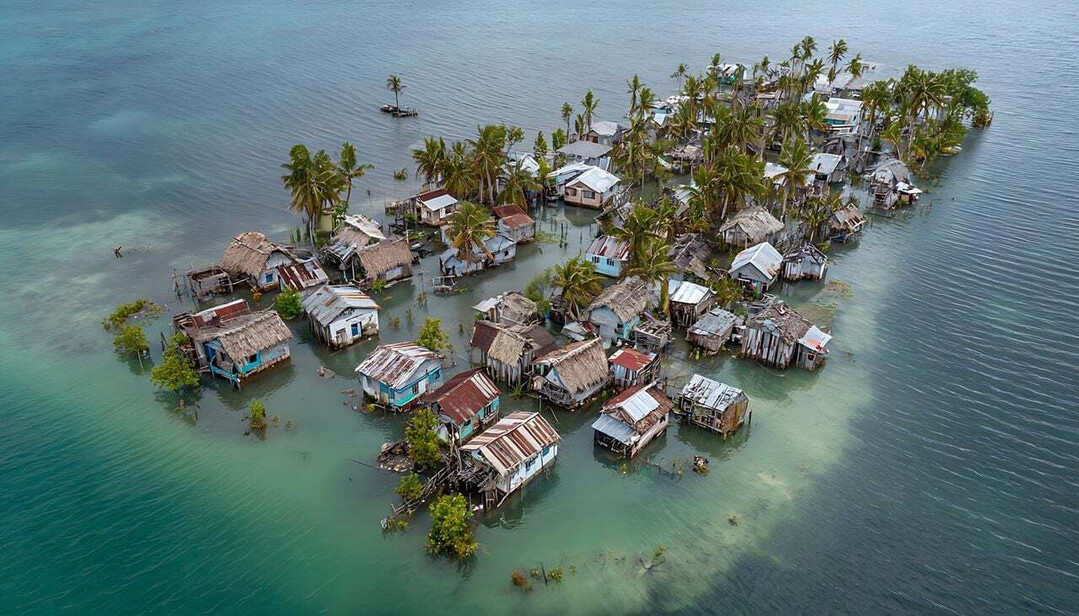
As global temperatures climb, the island nations of the South Pacific are confronting an escalating environmental crisis. Driven by rapid sea-level rise, coastal communities are increasingly forced to abandon their ancestral lands, giving rise to what experts call "climate migration." This growing vulnerability is not confined to the tropics; its shadows stretch thousands of kilometers away, mirroring challenges faced by coastal regions globally.
The Geographic Vulnerability of Tropical Islands
Geographic and physical factors make South Pacific nations exceptionally vulnerable to climate disruptions. Situated in warm tropical waters, these islands experience severe ocean thermal expansion amplified by rising global temperatures and melting polar and terrestrial ice. Philip Sagero, a physical geography researcher at the University of the South Pacific (USP), notes that these warmer seas also inject heightened moisture into the atmosphere, spawning more violent tropical cyclones and erratic rainfall patterns that alternate between devastating floods and prolonged droughts.
Economic tolls have proven staggering. Data compiled by organizations like the World Bank reveals that climate-induced weather extremes cost Fiji hundreds of millions of dollars annually. Primary sectors have borne the brunt of these disruptions. Agricultural zones and traditional food sources—such as localized cultivation plots and coastal marine resources like sea grapes—are suffering due to saline intrusion and warming marine temperatures that disrupt local ecosystems.
The Shortcomings of Traditional Engineering and Relocation Policies
Governments and local communities have attempted to defend against the encroaching tides through various structural defenses, including concrete breakwaters and the restoration of mangrove buffers. However, environmental experts warn that these interventions often carry unintended consequences. Artificially engineered seawalls can disrupt wave dynamics, inadvertently accelerating erosion in neighboring unprotected coastal areas. Similarly, mangrove expansion is frequently choked off by inland infrastructure like roads and housing developments, trapping vital natural defenses between human expansion and a rising ocean.
When physical barriers fail, relocation becomes the ultimate option, yet financial and legal barriers complicate the process. Securing new land and constructing resilient housing demands significant capital—resources that cash-strapped island governments must split among essential public services like healthcare and education. Furthermore, complex land tenure systems create deep inequalities; non-indigenous inhabitants who have farmed or lived on specific plots for generations often lack formal customary land titles, making legal resettlement exceptionally difficult.
A Global Warning from the Front Lines
Experts argue that current interventions lean too heavily on short-term coastal defense rather than comprehensive, long-term adaptation strategies. Effective climate migration policies, analysts suggest, must go beyond mere physical relocation. They require holistic support systems that secure sustainable livelihoods, preserve cultural heritage, and guarantee community involvement in decision-making processes.
Because these island nations contribute minimally to global greenhouse gas emissions while suffering the most catastrophic consequences, civil society leaders and researchers emphasize that the burden of adaptation cannot fall entirely on local populations. Accessing international climate funds, such as the Green Climate Fund, and prompting major industrial economies to accelerate carbon reduction and renewable energy transitions are deemed critical steps.
Ultimately, the plight of the South Pacific serves as an urgent reminder. As community advocates often articulate, the survival of these islands embodies a threshold for the entire planet—reminding global leaders that unchecked climate change will eventually claim low-lying coastal regions everywhere.
[Copyright (c) Global Economic Times. All Rights Reserved.]