


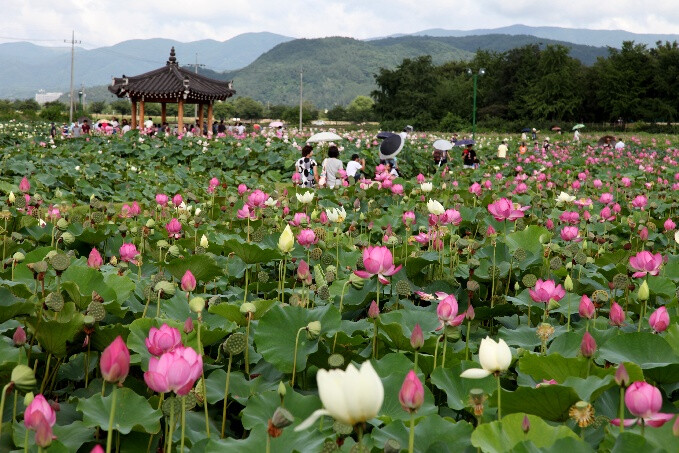
Once the exclusive domain of royalty and the Silla elite, Gyeongju's Donggung Palace and Wolji Pond have become a cherished destination for visitors from all walks of life. This historic site, formerly known as Anapji, is not merely a collection of ancient ruins but a living canvas where history, nature, and art converge to create a truly magical experience. At its heart lies a breathtaking pond, a meticulously crafted artificial lake that has witnessed centuries of Korean history. Today, in the warmer months, this tranquil water is transformed into a sea of vibrant green and delicate pink, as countless lotus flowers bloom, captivating all who come to see them.
The lotus, in particular, holds a profound symbolic meaning in Korean culture and beyond. Growing from murky, muddy water, it rises to produce a pristine, unblemished flower. This unique characteristic has made it a powerful metaphor for purity, spiritual enlightenment, and resilience in the face of adversity. The flower is also associated with the concept of a "gunja" or a "person of noble character"—someone who maintains their integrity and moral clarity despite living in a world of imperfection. Walking along the paths of Wolji Pond, surrounded by these beautiful blossoms, offers more than just a scenic view; it's a moment to reflect on these timeless values and find a sense of peace.
The history of Donggung Palace and Wolji Pond dates back to the Silla Dynasty. Built in 674 CE during the reign of King Munmu, the complex was part of the eastern palace where the crown prince resided. It was an extravagant royal garden designed to impress, featuring three islands and twelve hills constructed to represent the Taoist ideal of a harmonious universe. Historical records suggest the pond was also a place for royal banquets and receptions. The last of these recorded gatherings was a banquet hosted by King Gyeongsun for Wang Geon, the founder of the Goryeo Dynasty, in 931 CE. After the fall of Silla, the palace and pond fell into disrepair and were largely forgotten for centuries. During the Goryeo and Joseon dynasties, the pond was referred to as "Anapji," which translates to "pond of wild geese and ducks," a name given by people who saw only wildfowl inhabiting the forgotten grounds. It wasn't until a comprehensive excavation and restoration project in the 1970s that a pottery shard with the inscription "Wolji" (Moon Pond) was discovered, revealing its original, more poetic name.
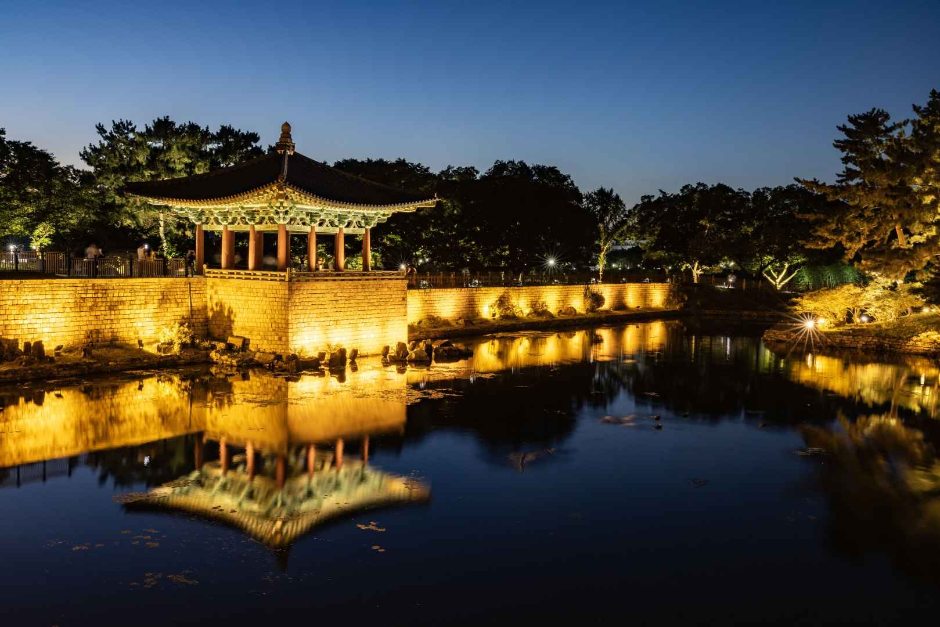
The restoration efforts unearthed nearly 33,000 artifacts, including roof tiles, architectural components, gilt-bronze Buddha figures, and everyday items, which provided invaluable insight into Silla's artistic and cultural brilliance. Today, the restored pavilions and the beautifully landscaped grounds offer a glimpse into the splendor of this ancient kingdom. By night, the site is particularly stunning. The pavilions and trees are illuminated, and their reflections dance on the calm water, creating a magical atmosphere that attracts photographers and romantics alike.
Beyond its historical and aesthetic appeal, Donggung Palace and Wolji Pond is a testament to the enduring human desire to find beauty and harmony in the world. It’s a place where you can escape the hustle and bustle of modern life, stroll through a garden designed for kings, and contemplate the delicate strength of a lotus flower blooming from the mud. The site's transformation from a forgotten ruin to a celebrated cultural treasure is a story of rediscovery and renewal, much like the lotus itself. It reminds us that even after centuries of silence, beauty and purpose can be reborn.
[Copyright (c) Global Economic Times. All Rights Reserved.]