![[등록] 2026-09-01 15:48:31](/support/_updata/banner2/tl181982910_6749.png)


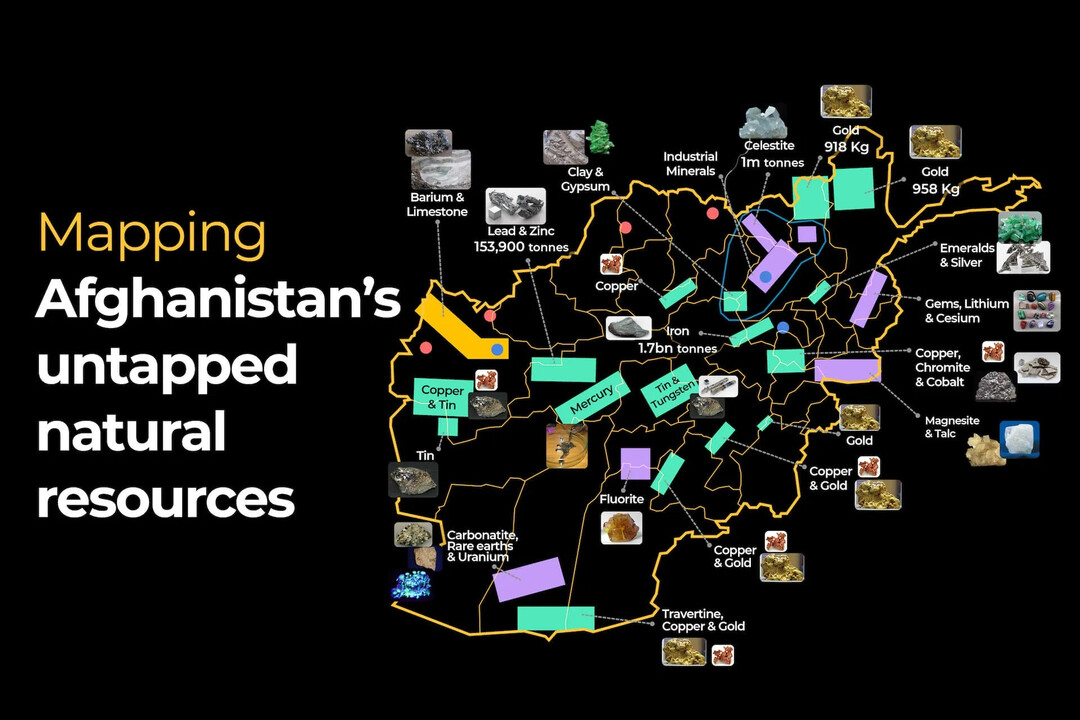
Just as fossil fuel discoveries shaped the 20th century, the race for critical minerals is defining the 21st. These minerals, essential for modern economies, are vital for construction, energy, and advanced manufacturing, especially in semiconductors and technology. The geographical distribution and extraction of these resources significantly influence geopolitical and economic relationships. Currently, the world's attention is focused on Afghanistan and Greenland, both believed to possess substantial untapped reserves, each presenting unique challenges.
Afghanistan's Untapped Mineral Wealth:
Afghanistan, situated at the convergence of multiple tectonic plates, boasts a rich and diverse geological makeup. Historically, it has been a significant source of copper, gold, and precious stones like lapis lazuli. Today, estimates suggest Afghanistan holds nearly $1 trillion in mineral reserves, including 60 million tons of copper, 183 million tons of aluminum, and 2.2 billion tons of iron ore. Gold mining occurs on an artisanal scale in northern and eastern provinces, while the mountainous regions contain valuable marble and limestone deposits.
The primary focus, however, is on Afghanistan's deposits of critical minerals crucial for emerging technologies. These include cobalt, lithium, and niobium, essential for batteries and electronics. Notably, Afghanistan's unexplored lithium reserves may surpass those of Bolivia, currently the world's largest. The country also holds significant deposits of rare earth elements like lanthanum, cerium, and neodymium, vital for magnets, semiconductors, and specialized manufacturing.
Challenges to Extraction:
Despite its mineral wealth, Afghanistan faces significant obstacles to extraction. Its rugged terrain, ranked as the eighth most mountainous globally, poses logistical challenges. More critically, political instability and security concerns have historically impeded development. Following the Taliban's initial ousting in 2001, illegal mining operations flourished under local militant control, with minimal benefits accruing to the Afghan population.
Since regaining power in 2021, the Taliban has sought to exploit the country's mineral wealth to boost exports. However, international sanctions and their designation as a terrorist group have hindered progress. Despite this, some nations are engaging with the Taliban, with China leading the way.
In 2024, the Taliban's resource ministry announced investments from China, Qatar, Turkey, Iran, and the United Kingdom. China, a key player in Afghanistan's extractive industries through its Belt and Road Initiative, is expected to play a crucial role. However, the development of new mines typically takes 16 years, requiring substantial investment and time, contingent on resolving political and security issues.
Greenland's Emerging Mineral Frontier:
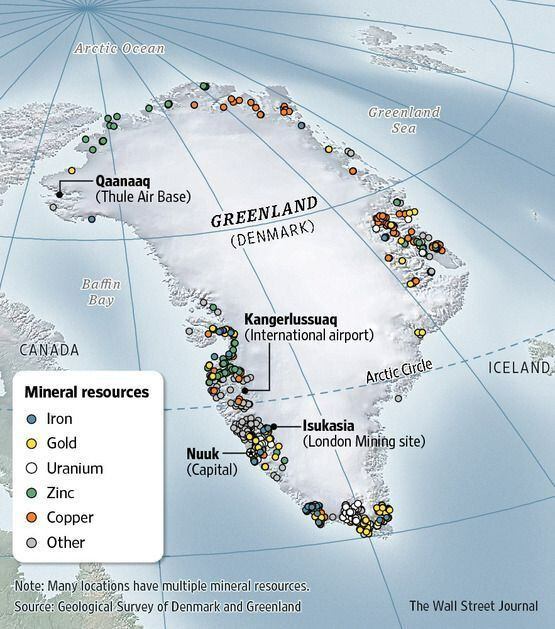
Greenland, largely covered by an ice sheet for millennia, has traditionally relied on fishing and whaling. However, climate change-induced ice melt is revealing vast untapped mineral resources in the island's interior. These include copper, gold, titanium, and graphite, as well as critical minerals vital for technology.
Greenland is estimated to hold deposits of 43 of the 50 minerals designated by the U.S. as crucial for national security, including rare earth elements, vanadium, and chromium. With China dominating the rare earth market, Greenland's deposits are strategically important for nations seeking to diversify their supply chains. This strategic value prompted the U.S. to express interest in acquiring Greenland.
Environmental and Logistical Hurdles:
The Greenlandic government has issued numerous mining licenses, but only a few mines are currently operational. The development of new mines faces significant challenges, including environmental concerns. Greenland's strong environmentalist movement has successfully halted projects due to safety and pollution fears, particularly regarding rare earth extraction, which involves potentially hazardous processes.
The receding ice and warming climate have facilitated extraction by revealing new areas and extending operational periods. However, the harsh environment and lack of infrastructure, including roads and energy facilities, pose ongoing challenges. Despite these obstacles, Greenland's government views mining as crucial for economic development.
Geopolitical Implications:
Both Afghanistan and Greenland represent significant frontiers in the global competition for critical minerals. The ability of various actors to capitalize on these resources will depend on a complex interplay of military power, economic investment, and diplomatic engagement. The strategic importance of these minerals underscores the evolving dynamics of international relations in the 21st century, where access to resources can redefine global power structures.
[Copyright (c) Global Economic Times. All Rights Reserved.]