• 2026.11.11 (Wed)
  • All articles
  • LOGIN
  • JOIN
Global Economic Times
[등록] 2026-09-01 15:48:31
  • Synthesis
  • World
  • Business
  • Industry
  • ICT
  • Distribution Economy
  • Well+Being
    • Pet Life
    • Halal Horizon
  • Travel
  • Eco-News
  • Education
  • Korean Wave News
  • Opinion
  • Arts&Culture
  • Sports
  • People & Life
    • International Student Report
    • With Ambassador
  • Column
    • Cho Kijo Column
    • Cherry Garden Story
    • Ko Yong-chul Column
    • Kim Bong-seon's Photo Column
    • Kim Seul-Ong Column
    • Lee Yeon-sil Column
  • Photo News
  • New Book Guide
MENU
 
Home > Synthesis

U.S. Intelligence: Iran’s Nuclear Capabilities Remain Intact Despite Two Months of Strikes

KO YONG-CHUL Reporter / Updated : 2026-05-06 14:27:52
  • -
  • +
  • Print

(C) NPR

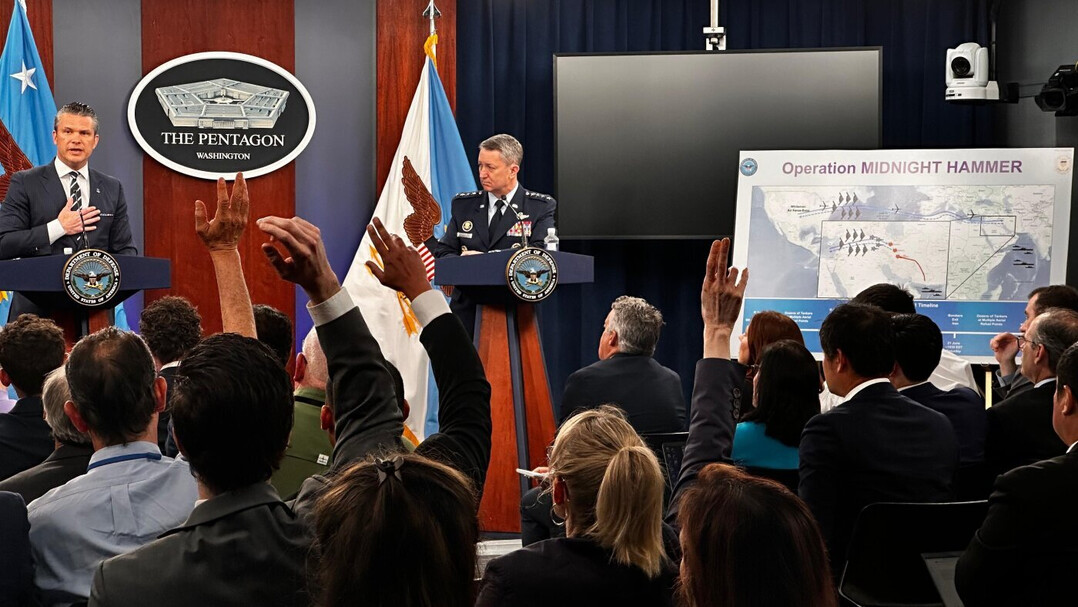
Despite two months of intensive military operations by the United States and Israel, the U.S. intelligence community assesses that Iran’s capability to develop nuclear weapons has not been significantly diminished, Reuters reported on May 5 (local time).

According to sources familiar with the matter, the timeline for Iran to produce a nuclear weapon remains largely unchanged from the assessment made after "Operation Midnight Hammer" in June last year. At that time, pre-emptive strikes on facilities in Natanz and Fordow extended Iran's "breakout time"—the period needed to produce enough weapons-grade uranium for one bomb—from 3-6 months to approximately 9 months to a year.

A critical concern for international observers is the status of Iran’s stockpile of highly enriched uranium. While several enrichment sites were damaged, roughly 440kg of 60% enriched uranium remains unaccounted for. The International Atomic Energy Agency (IAEA) estimates that if further enriched, this stockpile could yield enough material for up to 10 nuclear bombs.

The report suggests that the primary goals of the current conflict, as stated by the Trump administration, have yet to be met regarding the neutralization of Iran’s nuclear program. Analysts point out that while Israel has targeted uranium processing sites, U.S. airstrikes have primarily focused on Iran’s political leadership, conventional military assets, and defense infrastructure.

"As far as we know, Iran still possesses all its nuclear material," said Eric Brewer, a former U.S. intelligence official specializing in Iran’s nuclear program. He noted that much of the material is likely stored in deep underground facilities designed to withstand even the most powerful American bunker-buster bombs.

Experts warn that unless the remaining stockpiles of highly enriched uranium are destroyed or removed, the fundamental threat posed by Iran’s nuclear ambitions will persist, regardless of the damage dealt to its conventional military strength.

[Copyright (c) Global Economic Times. All Rights Reserved.]

  • #Hormuz Impasse
  • #globaleconomictimes
  • #micorea
  • #mykorea
  • #nammidonganews
  • #singaporenewsk
  • #Samsung
  • #Daewoo
  • #Hyos
KO YONG-CHUL Reporter
Reporter Page

Popular articles

  • US Pushes to Deploy Special Task Force to the Korean Peninsula—Is It Also Targeting China?

  • HMM Relocates Headquarters to Busan: A New Era for South Korea's Flagship Carrier

  • Samsung Electronics Unveils 'AI Memory' Technologies and Yongin Cluster Roadmap at SEDEX 2026

I like it
Share
  • Facebook
  • X
  • Kakaotalk
  • LINE
  • BAND
  • NAVER
  • https://www.globaleconomictimes.kr/article/1065590802752544 Copy URL copied.
Comments >

Comments 0

Weekly Hot Issue

  • Hyundai Motor Deepens Tech Alliances with Samsung and Nvidia to Pioneer the Physical AI Era
  • G마켓 Expands Beyond Search: E-Commerce Giant Taps Creators for SNS Shopping
  • JTBC Initiates Formal Sale Process to Find a Strategic Buyer
  • Miky Lee Honored with Asian Hall of Fame’s Centennial Medal for Pioneering Global K-Culture
  • The Harsh Reality of K-Pop: Why Small Agency Idols Struggle to Survive Beyond Three Years
  • Regional Tourism in South Korea Struggles as Infrastructure Lags Behind Inbound Airport Growth

Most Viewed

1
US Army Conducts Rare Temporary Burial Drills to Prepare for Worst-Case Large-Scale War Scenarios
2
World Citizens are Flying Directly to Busan... The Era of 4 Million Foreigners is Just Around the Corner
3
Eating 100g of Baechu Kimchi Daily Linked to Lower High-Cholesterol Risks
4
Meeting Christmas Early!… Busan Dessert Sales Event "Daldal The Market" Held
5
From Kim Whanki to Pokémon Cards... Seoul Auction Opens the Floodgates
체리가든 스토리
nutri huevos
로타리
동포저널

Hot Issue

LG Electronics and Skyscanner Partner to Bring Smart Travel Planning to Living Rooms

Regional Tourism in South Korea Struggles as Infrastructure Lags Behind Inbound Airport Growth

Miky Lee Honored with Asian Hall of Fame’s Centennial Medal for Pioneering Global K-Culture

Fashion Runway Show 2026

Let’s recycle the old blankets in Jeju Island’s closet instead of incinerating them.

Global Economic Times
korocamia@naver.com
CEO : LEE YEON-SIL
Publisher : KO YONG-CHUL
Registration number : Seoul, A55681
Registration Date : 2024-10-24
Youth Protection Manager: KO YONG-CHUL
Singapore Headquarters
5A Woodlands Road #11-34 The Tennery. S'677728
Korean Branch
Phone : +82(0)10 4724 5264
#304, 6 Nonhyeon-ro 111-gil, Gangnam-gu, Seoul
Copyright © Global Economic Times All Rights Reserved
  • News K
  • 반달곰 프로젝트
  • 광고문의
Search
Category
  • All articles
  • Synthesis
  • World
  • Business
  • Industry
  • ICT
  • Distribution Economy
  • Well+Being 
    • 전체
    • Pet Life
    • Halal Horizon
  • Travel
  • Eco-News
  • Education
  • Korean Wave News
  • Opinion
  • Arts&Culture
  • Sports
  • People & Life 
    • 전체
    • International Student Report
    • With Ambassador
  • Column 
    • 전체
    • Cho Kijo Column
    • Cherry Garden Story
    • Ko Yong-chul Column
    • Kim Bong-seon's Photo Column
    • Kim Seul-Ong Column
    • Lee Yeon-sil Column
  • Photo News
  • New Book Guide
  • Overseas Koreans
  • Multicultural News