
![[등록] 2026-09-01 15:48:31](/support/_updata/banner2/tl181982910_6749.png)


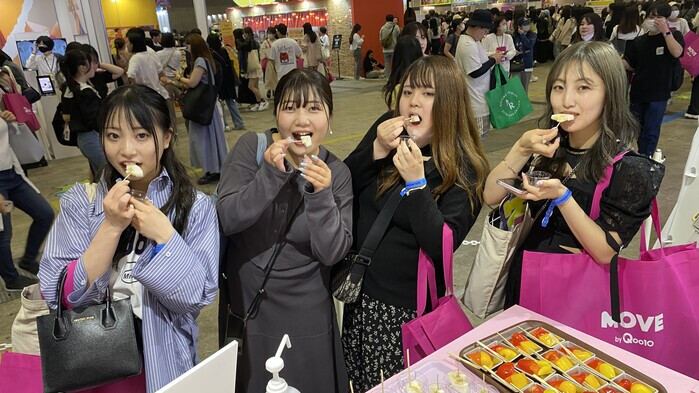
Tokyo, Japan – The vibrant streets of Tokyo, particularly the trendy hubs of Shibuya and Harajuku, are witnessing a notable influx of Korean fashion and food brands, capitalizing on the enduring and expanding influence of K-culture. Following in the successful footsteps of K-pop and K-beauty, these sectors are now making significant inroads into the Japanese market, fueled by a growing appreciation for all things Korean.
A prime example of this burgeoning trend in fashion is the recent opening of a 'Matinkim' flagship store in Shibuya's Miyashita Park on April 24th. Matinkim, a contemporary Korean brand known for its unique and stylish apparel, has quickly captured the attention of Japanese consumers, particularly those in their 20s and 30s. Musinsa, a prominent South Korean online fashion platform, is spearheading Matinkim's foray into the Japanese market, handling everything from distribution to localized marketing strategies. The initial response has been overwhelmingly positive, with the Shibuya store reportedly generating 430 million KRW in sales and attracting over 7,700 visitors in its first week alone. The strategic placement of large-scale advertisements featuring Matinkim across Shibuya, including prominent spots like the iconic Scramble Crossing, underscores the brand's aggressive and well-executed market entry.
Matinkim's success story is rooted in its strong domestic fanbase, cultivated since its inception on Naver's blog market in 2015 and further amplified by investment from Hagohaus in 2021. The brand's aesthetic resonates particularly well with young Japanese women who are increasingly drawn to Korean fashion trends. Matinkim's prior presence on Musinsa's global online store since 2022 laid a solid foundation for its offline expansion. The physical store in Shibuya, strategically located alongside established international brands like Maison Kitsuné, signifies Matinkim's rising prominence in the Japanese fashion landscape. Popular items such as logo T-shirts and the signature Half Shirring Ribbon Round Bag are flying off the shelves, indicating a strong demand for the brand's distinct style. Musinsa's emphasis on localized strategies, leveraging their understanding of the Japanese consumer gleaned from their online and pop-up experiences, appears to be a key driver of this early success.
Simultaneously, the Korean food industry is also making significant strides in Japan. Daesang Corporation, a major South Korean food conglomerate, recently hosted its first large-scale kimchi pop-up store, 'Kimchi Blast Tokyo 2025,' in Harajuku's trendy Cat Street. This event, which drew an impressive crowd of around 1,800 predominantly young Japanese women on its opening day (April 30th), highlights the growing appetite for Korean cuisine, particularly kimchi, among Japanese consumers. The pop-up event cleverly leveraged the popularity of K-pop idol Hoshi of Seventeen, who served as the face of the campaign, introducing various facets of Korean kimchi culture through engaging videos and interactive displays.
Daesang's strategic move to host this pop-up in Harajuku, a hotspot for youth culture and trends, reflects the increasing demand for their Jongga brand kimchi in Japan. Daesang currently holds the largest share of South Korea's kimchi exports to Japan, accounting for 42% of the total value last year. The 'Kimchi Blast Tokyo' pop-up was designed to be an immersive experience, with each floor featuring unique and visually appealing themes related to kimchi. The use of Hoshi in promotional materials and videos proved highly effective in attracting young fans, eager to learn more about Korean culture through their idol.
The pop-up also showcased the artistry behind kimchi making, with visually striking displays illustrating Jongga's fermentation techniques using diverse ingredients. Another innovative element was the presentation of Jongga's recipes in manga format, a culturally relevant approach given Japan's deep appreciation for comics and animation. This creative strategy effectively bridges cultural understanding and product promotion.
Despite South Korea being the top exporter of kimchi to Japan, Korean kimchi still holds a relatively small market share of around 10% in the local Japanese market. This statistic, as pointed out by a Daesang representative, underscores the significant potential for further growth and expansion of the Korean kimchi market in Japan. The success of 'Kimchi Blast Tokyo' suggests that targeted marketing efforts that resonate with Japanese cultural preferences and leverage the popularity of K-culture can be highly effective in increasing the visibility and appeal of Korean food products.
The parallel successes of Matinkim in the fashion sector and Daesang in the food sector underscore the powerful synergy between K-culture and consumer goods. The widespread popularity of K-pop and K-dramas has cultivated a positive image of South Korea and its cultural exports, creating a receptive audience for Korean fashion and food. This cultural wave provides a significant tailwind for Korean brands seeking to establish a foothold in the Japanese market.
While K-fashion and K-food may still be in the nascent stages of their penetration compared to the established dominance of K-pop and K-beauty, the recent successes of brands like Matinkim and events like 'Kimchi Blast Tokyo' indicate a promising trajectory. As Korean culture continues to permeate global markets, the demand for Korean fashion and food is likely to grow, presenting significant opportunities for South Korean companies to expand their international presence and further solidify the global influence of K-culture. The strategic marketing efforts, coupled with a deep understanding of local consumer preferences, will be crucial for sustained success in the competitive Japanese market.
[Copyright (c) Global Economic Times. All Rights Reserved.]














