
![[등록] 2026-09-01 15:48:31](/support/_updata/banner2/tl181982910_6749.png)


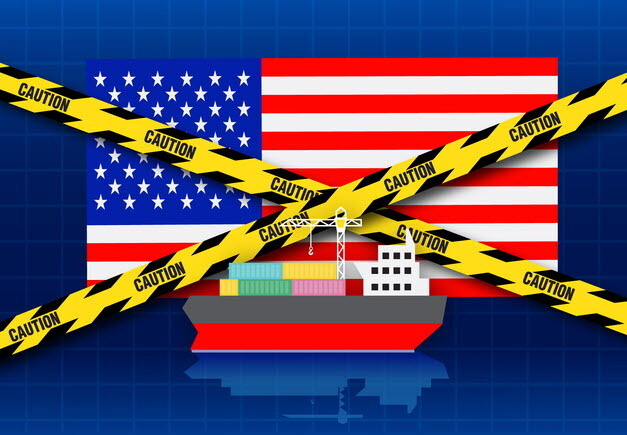
WASHINGTON, D.C. – The United States Chamber of Commerce has issued a fervent appeal to the Trump administration, imploring it to implement immediate tariff exemptions for small businesses grappling with the repercussions of escalating import duties. In a strongly worded open letter released earlier today, the nation's leading business advocacy group underscored the precarious financial state of numerous small enterprises, asserting that the recent surge in tariffs poses an existential threat to their viability and could potentially precipitate a broader economic downturn.
The U.S. Chamber's communication arrives at a critical juncture, as the administration's trade policies, characterized by the imposition of tariffs on goods from key trading partners, continue to generate considerable anxiety across various sectors of the American economy. While acknowledging the administration's pursuit of fairer trade agreements through negotiations, the Chamber voiced profound apprehension regarding the interim impact of these tariffs, particularly on smaller enterprises that lack the robust financial buffers of their larger counterparts.
"Small businesses are the lifeblood of our economy, and they are disproportionately vulnerable to the shockwaves of increased import costs," stated Suzanne Clark, President and CEO of the U.S. Chamber of Commerce. "Unlike large corporations, they often operate on tighter margins and possess limited capacity to absorb significant price hikes resulting from tariffs. The current trajectory risks not only jeopardizing their survival but also stifling job creation and hindering overall economic growth."
The Chamber's letter specifically calls for two key measures to provide immediate relief to small businesses. Firstly, it advocates for an automatic exemption from tariffs for small businesses, recognizing their inherent financial constraints in navigating increased import expenses. Secondly, it urges the administration to exempt products that are not manufactured domestically or are not readily available within the United States. This recommendation directly addresses the reality that American consumers and businesses rely on a multitude of imported goods for which there are no viable domestic alternatives.
Clark elaborated on this point, highlighting everyday consumer goods as prime examples. "Consider products like coffee, bananas, and cocoa – items that American soil simply cannot yield in sufficient quantities, if at all," she explained. "Imposing tariffs on these essential goods effectively translates to a direct price increase for American families, eroding their purchasing power and potentially leading to inflationary pressures."
Furthermore, the U.S. Chamber proposed the establishment of a clear and accessible process through which businesses can apply for tariff exemptions by demonstrating a substantial risk of job losses directly attributable to the imposed duties. This mechanism, the Chamber argues, would provide a necessary safety valve, allowing businesses facing demonstrable economic hardship to seek relief and safeguard American jobs.
The appeal from the U.S. Chamber adds to a growing chorus of concerns voiced by businesses, industry associations, and economists regarding the potential adverse effects of the administration's trade policies. While the intended goal of these tariffs is often to incentivize domestic production and exert pressure on trading partners to negotiate more favorable terms, critics argue that the immediate consequences are borne by American businesses and consumers through higher prices and disrupted supply chains.
Recent data and anecdotal evidence suggest that these concerns are not unfounded. Several small businesses across the nation have reported significant increases in their input costs due to tariffs on imported raw materials and components. These rising costs are often difficult to pass on to consumers in competitive markets, squeezing profit margins and, in some cases, forcing businesses to consider layoffs or even closure.
The National Federation of Independent Business (NFIB), another influential small business advocacy group, has also expressed concerns about the impact of tariffs on its members. In a recent survey, a significant percentage of small business owners cited tariffs and trade uncertainty as major challenges impacting their operations and outlook.
The U.S. Chamber's proactive stance underscores the urgency with which the business community views this issue. While supportive of the administration's broader objectives of achieving fair and reciprocal trade agreements, the Chamber emphasizes the need for targeted relief measures to mitigate the immediate harm inflicted upon small businesses during the negotiation process. The coming weeks and months will be critical in determining whether the administration heeds these calls and implements policies to shield small businesses from the unintended consequences of its trade agenda. The fate of countless small enterprises, and potentially the broader economic landscape, hangs in the balance.
[Copyright (c) Global Economic Times. All Rights Reserved.]














