![[등록] 2026-09-01 15:48:31](/support/_updata/banner2/tl181982910_6749.png)


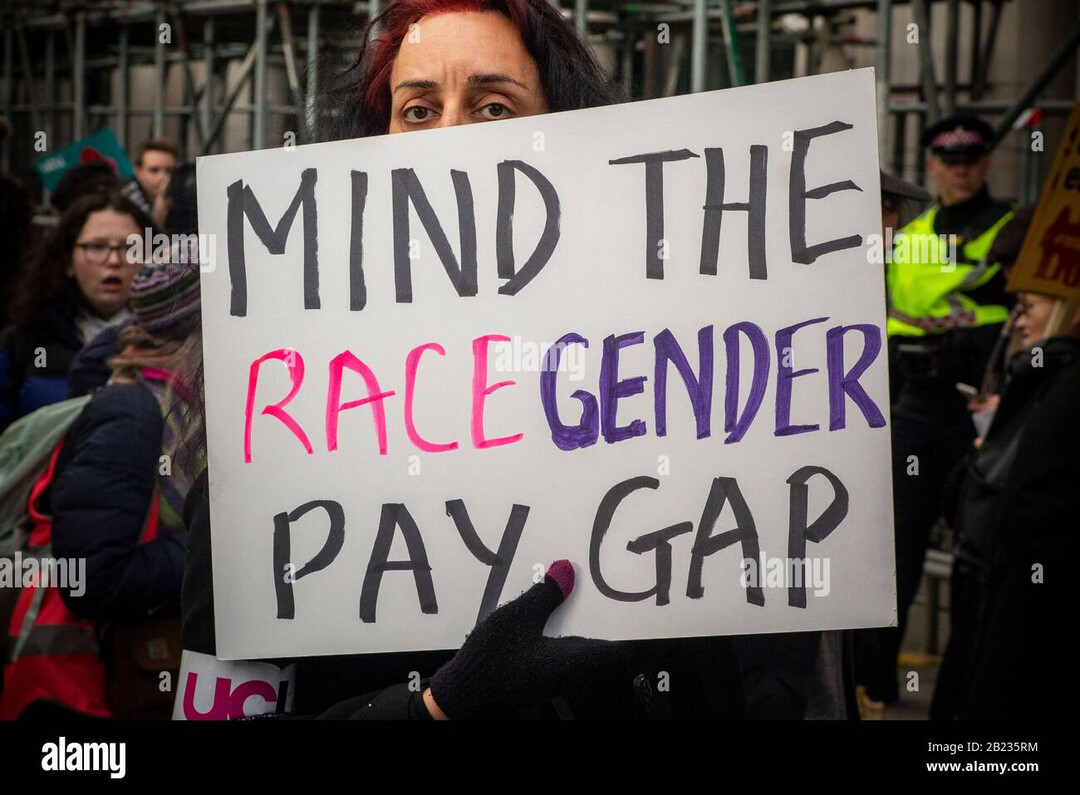
BRUSSELS – Thirty years after the landmark Fourth World Conference on Women in Beijing, where nations pledged "equal pay for equal work," the European Union continues to grapple with the persistent gender pay gap. With just five years remaining to achieve the United Nations' Agenda 2030, gender equality goals, particularly Sustainable Development Goal (SDG) 5, remain elusive.
The Lingering Gap:
According to Eurostat data from 2023, women in the EU earn, on average, 12% less than their male counterparts in terms of gross hourly wages. While this represents progress from the 13.7% gap recorded in 2019, it underscores the slow pace of change. Globally, the UN estimates the pay gap to be a staggering 23%, with women earning only 77% of men's salaries for equivalent work.
Variations Across Member States:
Significant disparities exist across EU member states. Austria (18.3%), the Czech Republic (18%), Hungary (17.8%), and Germany (17.6%) exhibit the most substantial inequalities in gross hourly pay. France and the Netherlands show similar gaps, with France recording a 12.2% difference in 2022 and the Netherlands 12.5%.
Conversely, Romania (3.8%), Italy (2.2%), Belgium (0.7%), and Luxembourg (-0.9%) demonstrate the smallest gaps.
Belgium's Shifting Landscape:
In Belgium, the national statistics office, Statbel, highlights a noteworthy trend: the gender pay gap varies significantly across generations. Notably, for those under 25, women earn 0.2% more than men (2022). However, the gap widens with age, reaching 4.4% for 35-44 year-olds and 8.5% for 55-64 year-olds. More recent information Indicates that Belgium has made progress, with reports of the gender pay gap closing to 4.5%.
Italy's Complex Reality:
Italy presents a nuanced picture. While its gross hourly wage differential is relatively low (2.2%), monthly salary disparities remain substantial. The International Labour Organization (ILO) notes a 6.2% hourly gap, while the Italian National Statistical Institute reports a 16.7% monthly gap in 2020. This discrepancy is attributed to factors such as higher rates of part-time work among women, often involuntary, and additional wage benefits that favor men, particularly those with family responsibilities. Sectoral differences deepen the issue. For instance, the gender pay gap in Italy’s hotel and catering sector reaches nearly 24%, peaking at 37% for low-skilled workers. Additionally, Migrant women are doubly penalized by national origin and gender.
Luxembourg's Apparent Parity:
Luxembourg is the sole EU member state to have achieved pay parity in gross hourly wages, with a -0.9% gap in favor of women in 2023. However, official statistics and reports from organizations like CEDAW indicate that annual earnings still favor men due to high male salaries, bonuses, and higher female part-time employment. Eventhough the hourly pay rate is at parity, working woman in luxembourg are still susseptable to poverty, especially single mothers.
Persistent Challenges:
Despite progress, the EU's journey toward equal pay faces significant challenges. Sectoral segregation, occupational segregation, and the unequal distribution of care responsibilities continue to drive the gender pay gap.
Moving Forward:
Addressing the gender pay gap requires comprehensive strategies, including:
Pay transparency measures: Enabling employees to compare salaries and identify disparities.
Promoting work-life balance: Facilitating equal sharing of care responsibilities.
Combating occupational segregation: Encouraging women's participation in traditionally male-dominated sectors.
Strengthening legal frameworks: Enforcing equal pay legislation and addressing discrimination.
As the EU approaches the 2030 deadline, intensified efforts are crucial to realizing the promise of equal pay for equal work and achieving true gender equality.
[Copyright (c) Global Economic Times. All Rights Reserved.]