![[등록] 2026-09-01 15:48:31](/support/_updata/banner2/tl181982910_6749.png)


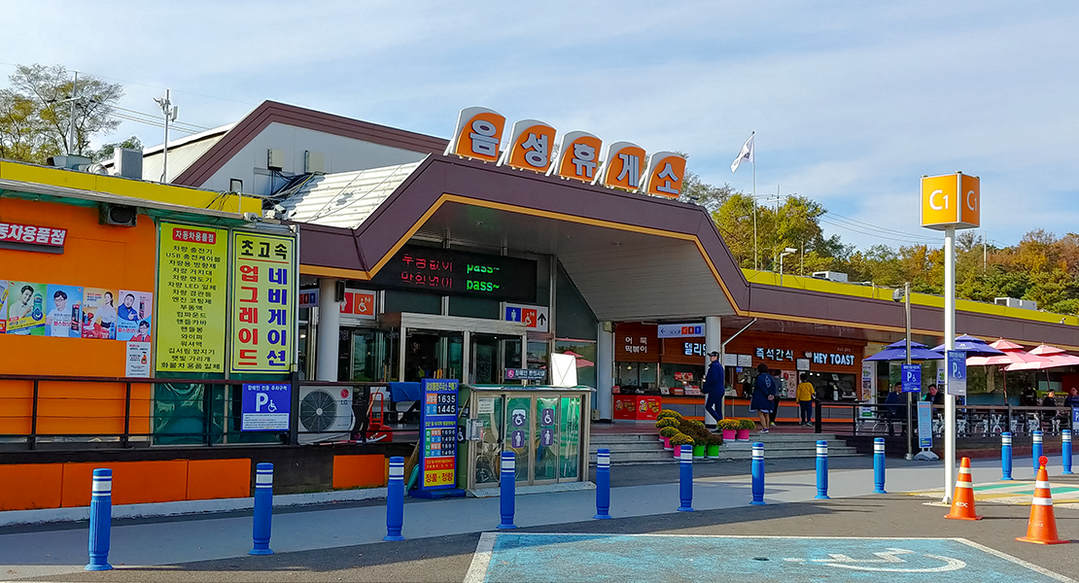
SEOUL — For decades, the South Korean highway rest area has been a symbol of the "road trip experience," offering a quick bite of walnut cakes or a steaming bowl of udon. However, a growing chorus of consumer dissatisfaction is shedding light on a darker reality: a rigid, monopolistic operating structure that has kept food quality low and prices unjustifiably high.
According to data submitted by the Korea Expressway Corporation to Representative Min Hong-chul of the Democratic Party of Korea, the average price of the top 10 most popular rest area food items surged by 12.5% between June 2021 and June 2023. This spike has left travelers feeling "ripped off," questioning why a simple meal on the road often costs more than a premium lunch in downtown Seoul.
The Price of Convenience?
The data reveals a startling trend in price hikes across staple items. Topping the list is Donkatsu (pork cutlet), which saw a staggering 25.1% increase, jumping from 8,916 KRW to 11,218 KRW. Other favorites followed suit:
Udon: Increased by 18.1%
Americano: Increased by 17.6%
Bibimbap: Increased by 16.5%
Gukbap (Rice Soup): Increased by 15.4%
While global inflation and rising ingredient costs play a role, experts argue that these factors do not fully justify the steep premiums charged at rest stops.
A 40-Year Monopoly: The "Old Boys" Club
The root of the problem appears to be structural. Currently, 53 rental rest areas across the country have been operating under long-term monopolies for over 20 years without ever facing a public competitive bidding process.
Even more concerning is the longevity of these contracts; 11 locations are still operated by the same companies that signed their initial contracts in the 1970s and 1980s. This "grandfathered" system has stifled innovation and removed any incentive for operators to improve food quality or lower prices.
A particularly controversial point involves the Korea Expressway Corporation's retirees. An association of former employees currently operates seven rest areas through a subsidiary. Two of these have been under their control for nearly 40 years. This "revolving door" culture—where former high-ranking officials transition into executive roles within these operating companies—has raised serious questions about transparency and fair market competition.
"Rest areas are spaces where the public immediately evaluates price, quality, and service," said Kim Yun-deok, Minister of Land, Infrastructure, and Transport. "If public dissatisfaction persists, the entire operating structure must be audited and overhauled."
The Commission Trap
Beyond the monopolies, the "multi-layered commission structure" is what truly squeezes the local vendors and, ultimately, the consumers. Individual food stalls within these rest areas pay an average of 33% in commissions to the primary operating company, with some rates climbing as high as 51%.
When more than half of a merchant's revenue goes toward rent and commissions, the only way to maintain profit margins is to raise prices or cut corners on ingredient quality. This creates a lose-lose situation for both the small business owners and the traveling public.
The Path to Reform
In response to the mounting outcry, the Ministry of Land, Infrastructure, and Transport has established a Task Force (TF) for Rest Area Structural Reform. The goal is to dismantle the entrenched monopoly system and introduce a more competitive, transparent bidding process.
Proposed measures include:
Mandatory Competitive Bidding: Ending the automatic renewal of long-term contracts.
Commission Caps: Limiting the percentage that operators can take from small vendors.
Quality Audits: Implementing stricter standards for food taste and hygiene.
As the government moves to break these 40-year-old "sweetheart deals," millions of South Koreans are watching closely, hoping that their next holiday drive will finally include a meal that is as satisfying as it is affordable.
[Copyright (c) Global Economic Times. All Rights Reserved.]