
![[등록] 2026-09-01 15:48:31](/support/_updata/banner2/tl181982910_6749.png)


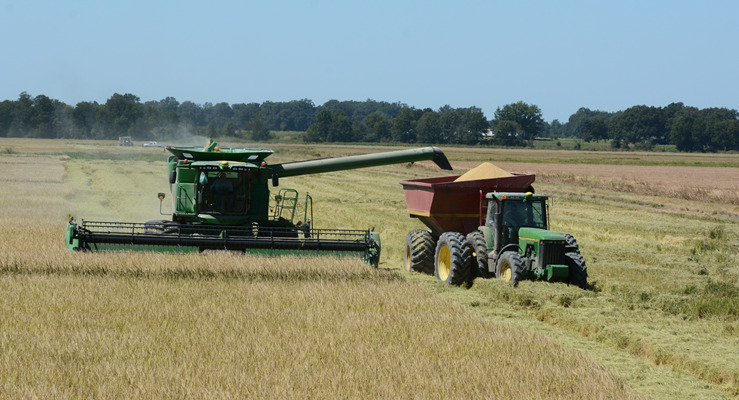
MONTEVIDEO, Uruguay – The agricultural heartlands of Uruguay are poised to yield their most abundant rice crop in recent memory, mirroring a broader trend of strong harvests across the Mercosur bloc. Renowned for its premium long-grain rice varieties, Uruguay's production is on track to reach unprecedented levels. However, this promising outlook is tempered by significant headwinds in the global trade arena, coupled with fluctuating prices and persistent logistical challenges, according to industry stakeholders.
Speaking from his farm, Carol Pintchac highlighted the favorable conditions experienced during the growing season. "The harvest is proceeding with notable efficiency, particularly in the northern regions, where over 70% of the crop has already been gathered, significantly outpacing the national average of 55%," he reported. While localized rainfall occurred, it proved largely benign, coinciding with the optimal maturation phase of the rice.
Yield projections are equally optimistic. "Current averages stand at approximately 9,000 kilograms per hectare, representing a substantial 10-15% increase over previous years," Mr. Pintchac elaborated. Despite the planted area of 180,000 hectares not being a historical maximum, the anticipated overall volume suggests a record-breaking harvest for the nation.
Nevertheless, the international market presents a complex set of hurdles. The re-emergence of India as a dominant force in global rice supply has introduced considerable volatility. "India's commanding position in global rice inventories exerts downward pressure on prices, often leading potential buyers to adopt a cautious stance," Mr. Pintchac explained, referencing India's recent export restrictions aimed at prioritizing domestic consumers following last year's general election under Prime Minister Narendra Modi.
Compounding these challenges is the economic climate in Brazil, a key regional partner and a primary importer of Uruguayan rice. The significant 20% depreciation of the Brazilian Real earlier this year has directly impacted the profitability of Uruguayan rice exports due to adverse exchange rate dynamics against the US dollar.
Adding to the uncertainty, the Uruguayan government is expected to announce preliminary rice pricing guidelines around mid-May, a figure heavily contingent on prevailing market conditions. While some producers harbor hopes for a less drastic price correction, Mr. Pintchac anticipates a significant departure from last year's favorable levels of $620-$630 per ton.
Beyond market forces, structural cost disadvantages further strain the Uruguayan rice sector. "Uruguay's operational expenses are notably high," Mr. Pintchac stated, citing the substantial costs associated with transporting rice from northern production areas to ports and subsequent loading fees, which exceed those in many competing nations. Furthermore, with domestic consumption accounting for less than 5% of its output, Uruguay relies heavily on exports, shipping over 1.4 million tons annually. This dependence on international markets exacerbates the vulnerability to external price fluctuations and trade policy shifts.
In a proactive move to bolster export opportunities, Uruguay's newly inaugurated President Luis Lacalle Pou is scheduled to undertake a trade mission to Central America, including Panama, Guatemala, Honduras, and Mexico. The delegation will include representatives from the rice industry, underscoring the government's commitment to expanding market access. "This initiative is a welcome step, but securing competitive advantages will also necessitate skillful negotiations by tariff specialists," Mr. Pintchac emphasized.
The Uruguayan rice industry, a significant contributor to the national economy, faces a delicate balancing act. While a bountiful harvest offers a strong foundation, navigating the complexities of global trade, volatile currency exchange rates, and inherent logistical costs will be crucial for sustaining the sector's long-term viability. Industry stakeholders are hopeful that a combination of government support, strategic market diversification, and a continued focus on high-quality production will enable them to weather the current challenges and capitalize on the anticipated strong yields.
[Copyright (c) Global Economic Times. All Rights Reserved.]














