![[등록] 2026-09-01 15:48:31](/support/_updata/banner2/tl181982910_6749.png)


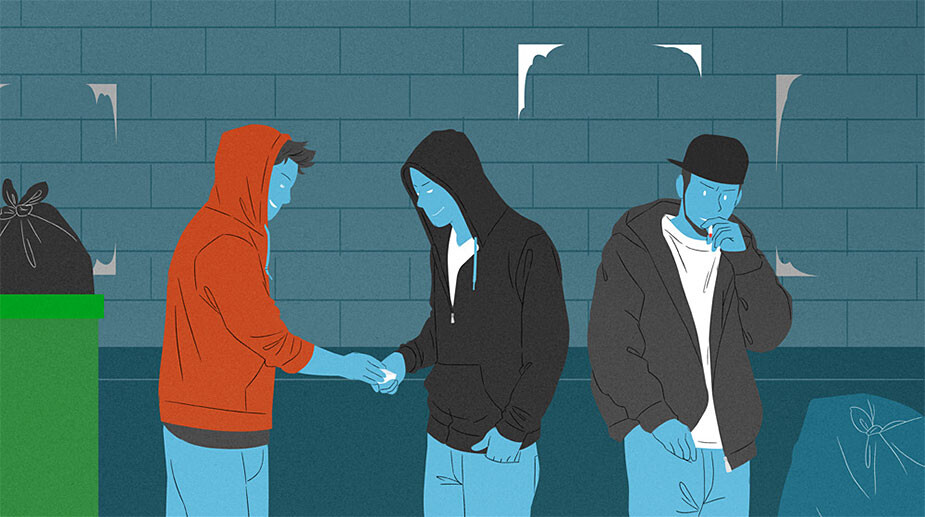
According to recent media reports, between 20 to 25 Paraguayan youths are arrested each month at the Foz do Iguaçu International Airport in Brazil for possession of illegal goods, particularly cocaine. This information reveals two realities: the clear lack of opportunities faced by Paraguayan youth, and the growing influence of drug trafficking and organized crime, with a large portion of the population living in poverty and unstable environments. There is an urgent need for government plans and alternatives for our youth.
According to data from the Paraguayan Consulate in Foz do Iguaçu, Brazilian authorities regularly apprehend Paraguayan youths who hide cocaine in their luggage, shoes, or clothing. They are caught not only at Foz do Iguaçu International Airport but also while crossing the border via the Friendship Bridge (Puente de la Amistad), or while trying to avoid checks by the Federal Police and Highway Patrol by using vehicles on secret routes.
Statistics from Deputy Consul Iván Airaldi reveal that 20 to 25 youths are arrested each month, primarily showing that those without opportunities and in despair easily fall prey to criminal organizations. These youths typically come from economically disadvantaged backgrounds, have no prior criminal record, and are not connected to high-ranking drug traffickers, often driven by economic desperation.
These youths are recruited by exploiting their vulnerabilities. For those who dream of helping their families, escaping poverty, and building a better future, the financial offers from criminal organizations become irresistible temptations in a situation where job, medical, and educational opportunities provided by the state are scarce or non-existent.
They become victims of a cunningly designed system. Even if arrested, they have little information to provide. Their contacts operate under aliases, and their phone numbers are registered with stolen documents. Once caught by the police, all connections are severed.
These youths are merely the weakest link in the drug trafficking chain. They pay the highest price, serving sentences of 5 to 15 years in Brazilian prisons, far from their families, with little to no chance of rehabilitation. As the Deputy Consul states, “As long as poverty exists, there will continue to be youths willing to take risks. These criminal organizations are better organized than any government and know exactly who to target.”
These youths involved in drug trafficking are the visible face of a reality where state institutions provide no opportunities for young people. Paraguayan youth are not included in government plans, and essential public policies for them are not established. They are not guaranteed pathways to safely enter the labor market with dignified conditions, nor are they guaranteed living conditions that allow access to health, education, culture, and sports.
The biggest problem is the low level of education. As is well known, without education, young people only have access to precarious jobs. Without solid education, the chances of getting decent jobs and social security benefits, and escaping poverty in the medium to long term, are slim.
At the root of this problem lies inequality. While Paraguayan youth lack opportunities to study, dream of a better life, contribute to development, and realize themselves, there are hundreds of young people who, simply by being the sons of congressmen or children of the vice president, hold stable positions and high salaries in state institutions, such as the congress, without any academic qualifications or public merit.
Without public policies in place, Paraguayan youth will continue to be unable to take control of their future and remain easy tools for drug trafficking and organized crime.
[Copyright (c) Global Economic Times. All Rights Reserved.]