![[등록] 2026-09-01 15:48:31](/support/_updata/banner2/tl181982910_6749.png)


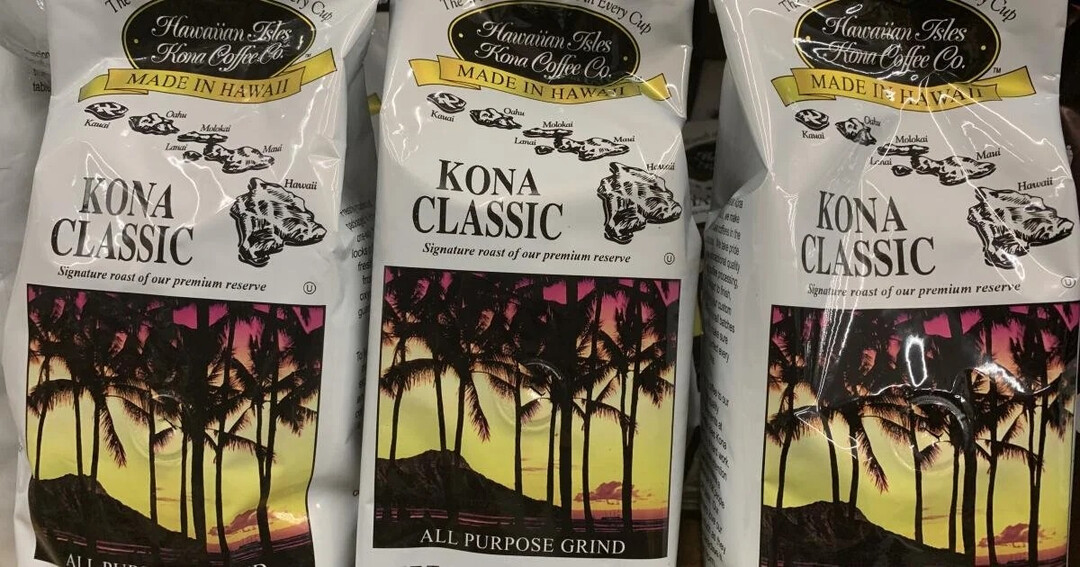
Kona, Hawaii – The world-renowned Kona coffee industry, cultivated on the slopes of Mauna Loa volcano on Hawaii’s Big Island, is facing an unprecedented crisis. As the Trump administration’s intensified immigration enforcement reaches this peaceful island, the immigrant laborers, who are the core driving force behind Kona coffee production, are living in fear.
Kona Coffee: More Than Just a Beverage, the Island's Pride
Kona coffee thrives in the unique natural environment of Hawaii's Big Island, characterized by abundant sunshine, adequate afternoon rain, and nutrient-rich volcanic soil. Despite its high price, exceeding $30 for an 8-ounce (approximately 227g) bag, it has garnered a loyal global fan base. It's not just the pride of the Big Island; for the Latin American immigrants who have hand-picked Kona coffee beans for decades, it has been a livelihood. Coffee cultivation in Hawaii began in the 1820s, making it the only U.S. state with commercial-scale coffee production. Kona coffee's reputation soared in 1873 when it won an award of excellence at the Vienna World's Fair. With the global surge in specialty coffee's popularity in the mid-1980s, Kona coffee cultivation intensified, drawing thousands of Mexican and Central American immigrants to the Big Island. Some of these individuals even became coffee farm owners themselves. As of 2022, Kona coffee's annual production reaches approximately 2 million pounds (about 900 tons), establishing it as a vital industry bringing millions of dollars in revenue to the local economy.
The Looming Shadow of Immigration Enforcement
Since February, agents from the U.S. Immigration and Customs Enforcement (ICE) have been dispatched to the Hawaiian islands multiple times to crack down on undocumented immigrants. Although smaller in scale compared to large-scale raids in major cities like Denver or Los Angeles, the arrest of dozens of immigrants has cast a deep sense of unease across the entire island. What's particularly concerning is that this recent enforcement has targeted immigrants with no criminal records and even young children, amplifying its impact. In March, a widely circulated video showed agents apprehending a woman and her three children, and the following month, a shocking incident occurred when an elementary school student was taken from school after his father was detained.
Jeanne Kapela, a Big Island state representative, expressed concern, stating, "Regardless of the number of people arrested, the consequences of this crackdown are enormous." She explained that the Kona coffee industry is comprised of hundreds of small, family-owned farms, where immigrant workers often consist of a mix of family members with legal status and those who are undocumented. Kapela emphasized, "The future of these coffee farmers and these workers is inextricably linked, whether we like it or not. I don't know how we can get back on our feet if this industry dies."
Shaken Coffee Farms and Workers' Lives
Bruce Cornwell, a 72-year-old Kona coffee grower and processor, defended immigrant workers, saying, "These are good, honest workers. They're not gang members." He pointed out the difficulty small coffee farms face in utilizing complex and costly government seasonal agricultural visa programs and argued that legal pathways for immigrants to come and work should be provided. Cornwell added, "Without these immigrant workers, our coffee would struggle. The government needs to make it easier for them to come here and work."
Armando Rodriguez, a Mexican American who entered the U.S. illegally at the age of 8 but gained permanent residency through the 1986 immigrant amnesty and later became a citizen, now operates a 13-acre coffee farm with his family, producing the award-winning 'Aloha Star' coffee. However, he, too, is greatly concerned about the upcoming harvest season. He shared that the laborers he typically hires for the season, even those with green cards, have informed him they won't be returning from the mainland. "They're afraid of being detained at the airport or having their green cards revoked," Rodriguez said.
In recent years, younger undocumented immigrants have been filling the void left by an aging workforce. Many of these immigrants are from Honduras, a country plagued by one of the world's highest murder rates. Darwin, 26, who arrived in the U.S. four years ago, earns $400 a day and brought his wife to Hawaii. However, he's now feeling anxious after ICE agents visited their home shortly after his wife gave birth. "I was happy here, but I'm very worried about the current immigration situation," he lamented.
Community Backlash and Concerns for the Future
The disruption caused by immigration enforcement has sparked strong backlash from the local community. On April 5, John Redden, an organic coffee grower angered by ICE agents visiting his farm, participated in a protest holding a sign that read, "ICE invaded my farm."
Furthermore, at a community meeting held on April 29, after an Honduran boy was taken from an elementary school and deported, Armando Rodriguez questioned whether local police were assisting federal agents. In response, Police Chief Benjamin Moszkowicz firmly stated, "Our department has not conducted, does not conduct, and will not conduct immigration enforcement," emphasizing it is a federal matter. His remarks were met with enthusiastic applause from attendees.
Gollita Reyes, who supplies tamales to mini-markets for immigrants, says tamale orders plummet whenever there's a raid. "People are afraid to go to work and are running out of money. Others have left altogether." The Kona coffee industry on Hawaii's Big Island has been sustained by the sweat and labor of immigrant workers. If immigration enforcement continues, there are growing concerns about irreversible damage not only to the future of Kona coffee but also to the island's economy and the wider community. Can this island truly dispel the shadow of immigration enforcement, much like Mauna Loa's thick mist, and once again be filled with the vibrant aroma of Kona coffee?
[Copyright (c) Global Economic Times. All Rights Reserved.]