![[등록] 2026-09-01 15:48:31](/support/_updata/banner2/tl181982910_6749.png)


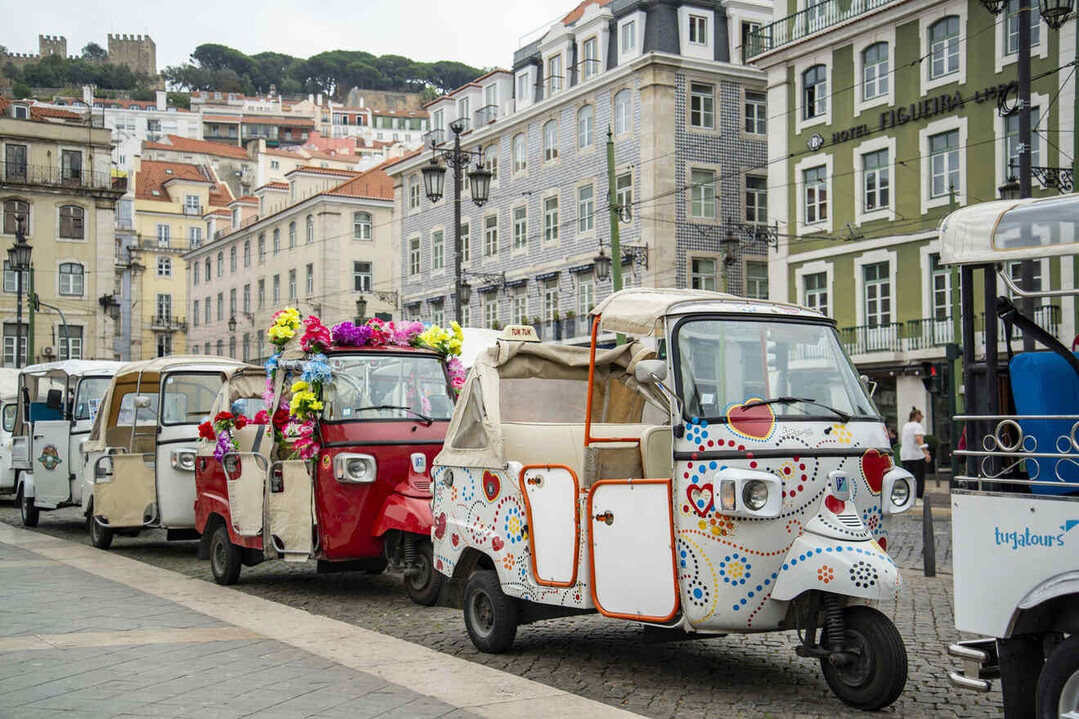
Lisbon, the capital of Portugal, is facing controversy as it significantly restricts the operation of tuk-tuks, which had become a popular attraction for tourists, within the city center. The Lisbon City Council announced last Tuesday that it would expand the number of roads where tuk-tuk operation is prohibited in the historic central district from the existing 275 to 337. This measure will be applied to key areas where major tourist attractions such as Santa Maria Maior, Arroios, Penha de França, and São Vicente are located.
According to the newly implemented regulations, the transit, parking, and stopping of tuk-tuks will be completely prohibited on these roads. However, the City Council stated that it plans to create new parking spaces to minimize inconvenience for tuk-tuk drivers. Along with the implementation of these regulations, not only the Lisbon Municipal Police but also inspectors from the Lisbon Parking and Mobility Company (EMEL) will be deployed to strengthen enforcement. The restricted areas include prominent Lisbon landmarks such as Praça do Comércio, most of Bairro Alto, and the vicinity of Castelo de São Jorge.
Reactions from tuk-tuk drivers to this measure are divided. Gonçalo Silva, a tuk-tuk driver and tour guide working in Praça do Rossio, argued in an interview with local media that "the solution to the tuk-tuk saturation problem is not to restrict operations but to strengthen the requirements for issuing licenses." On the other hand, Pedro Mendes, who drives a tuk-tuk on Avenida da Liberdade, expressed a more positive view, saying, "It's too early to draw a conclusion," but added, "As a Lisbon citizen, I feel good seeing some streets cleared of tuk-tuks. I like the fact that there are no tuk-tuks occupying sidewalks or illegally parked."
Antónia Reboso, who has worked in the Baixa Chiado area for 20 years, also welcomes the restriction on tuk-tuk operation. She criticized tuk-tuks as a major cause of traffic congestion in the city center and stated that they "damage the symbolism of Lisbon."
The Lisbon City Council stated in a press release that this measure is "the result of discussions with various associations and organizations in the industry" and presents "specific measures to improve the management of urban space."
In recent years, major Portuguese cities such as Lisbon, Cascais, Sintra, and Porto have seen a steady increase in complaints from residents due to the rapid growth of tourist motorized vehicles like tuk-tuks in historic districts. There have been continuous criticisms that tuk-tuks occupying narrow alleyways and causing noise pollution worsen the pedestrian environment and exacerbate traffic congestion.
Overseas Examples:
Other historic cities in Europe are also implementing regulations on tuk-tuks and similar small vehicles that have gained popularity as a means of tourist transportation.
Rome, Italy: Restrictions on tuk-tuk operation around major historical sites such as the Colosseum and the Roman Forum during certain hours are in place, and only licensed vehicles are allowed to operate. Barcelona, Spain: The number of tuk-tuk operating permits in the old city has been limited, and the adoption of environmentally friendly vehicles is being encouraged. Gradual regulations are also being implemented, such as prohibiting tuk-tuk operation in pedestrian-priority zones. Bangkok, Thailand: Despite being the birthplace of the tuk-tuk, there are movements to limit their operation in specific downtown areas or manage them in a similar way to taxis to alleviate traffic congestion and resolve safety issues. While the Lisbon City Council's expanded restriction on tuk-tuk operation may cause some inconvenience to tourists, it is expected to contribute to long-term improvements in the urban environment, alleviation of traffic congestion, and ensuring pedestrian safety. It remains to be seen whether the Lisbon City Council will seek ways to coexist with tuk-tuk drivers and the tourism industry through continued dialogue.
[Copyright (c) Global Economic Times. All Rights Reserved.]