![[등록] 2026-09-01 15:48:31](/support/_updata/banner2/tl181982910_6749.png)


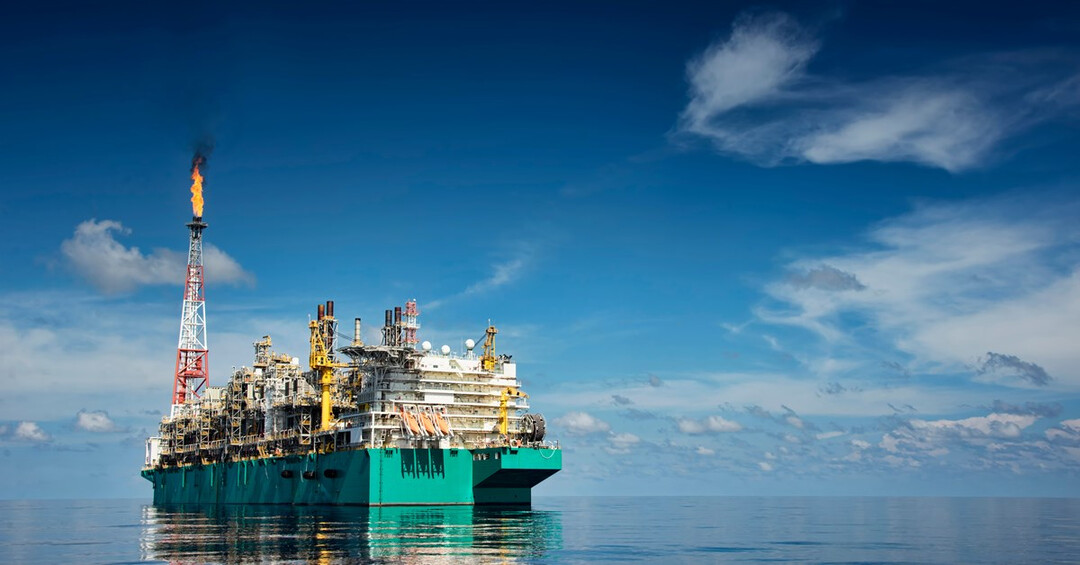
Italian energy company Eni has officially signed an agreement with Argentine state-owned energy company YPF for the Argentina LNG Project, confirming its participation in the construction of a key component: the floating liquefied natural gas (FLNG) facility. This agreement follows a Memorandum of Understanding (MOU) signed by the two companies on April 14, and is set to become a significant milestone in Argentina's ambitious plan to emerge as a global LNG exporter.
Eni-YPF Collaboration: Key Driver for Argentina LNG Project
The newly signed agreement specifies the concrete steps required for the project's phased development. Notably, it outlines a roadmap to reach the Final Investment Decision (FID) for project phases that include gas production, treatment, transportation, and liquefaction facilities via FLNG units. The two FLNG units are projected to have a combined annual LNG production capacity of 12 million tons per year (MMt/year). This will serve as a crucial foundation for an integrated gas project aimed at exporting gas from Argentina's vast Vaca Muerta shale gas reserves to international markets.
The Argentina LNG Project ultimately aims for a phased development to achieve an annual LNG production target of up to 30 million tons by 2030. This enormous scale would place Argentina alongside major players in the current global LNG market, significantly elevating its status in the global energy supply chain.
Eni cited its extensive experience accumulated from offshore FLNG projects in Congo and Mozambique, as well as its successful track record in construction projects with similar technical requirements, as reasons for its participation in this project. Eni also expressed confidence in its project execution and time-to-market capabilities. As one of the world's leading players in FLNG technology, this Argentine project will be another opportunity for Eni to demonstrate its FLNG prowess.
Argentina's Energy Transition and Vaca Muerta's Potential
Argentina holds the world's second-largest shale gas reserves, and the Vaca Muerta region, in particular, is considered a unconventional resource area with enormous potential comparable to North America's Permian Basin. However, it has historically remained underdeveloped due to a lack of technology, inadequate infrastructure, and difficulties in attracting investment.
Vaca Muerta is located in the Neuquén Basin and spans an expansive area of approximately 30,000 square kilometers. According to the U.S. Energy Information Administration (EIA), this region is estimated to hold about 308 trillion cubic feet of shale gas and 16.2 billion barrels of shale oil. These vast resources have the potential to enable Argentina's transition from energy self-sufficiency to an energy exporting nation.
In recent years, Argentina has experienced economic crises, increasing its need for foreign currency. Consequently, the country has focused more intensely on acquiring foreign exchange through energy exports. LNG is a clean energy source with increasing global demand, and Argentina's geographical advantages and abundant gas reserves will be crucial factors in enhancing its competitiveness in the LNG export market.
Importance and Advantages of FLNG Technology
Floating Liquefied Natural Gas (FLNG) technology is an innovative solution that allows gas to be liquefied offshore and directly loaded onto ships for transportation. This offers several advantages, including significant reductions in the massive initial investment costs and long construction periods typically required for onshore LNG plants, while also minimizing environmental impact. It serves as an effective alternative, especially in areas where onshore pipeline construction is difficult or environmental regulations are stringent.
Eni's strength in the FLNG sector stems from its deep understanding of the strategic importance of this technology. Eni has already successfully executed FLNG projects in Congo and Mozambique, proving its technological capabilities and operational know-how in this field. Eni's Coral Sul FLNG project in Congo, an FLNG facility operating offshore Mozambique, began LNG production in 2022 and has been exporting to Europe and other regions. This is a prime example of how effective FLNG technology can be in developing the vast gas reserves on the African continent.
In Argentina's case, the decision to transport Vaca Muerta gas to the coast and liquefy it via FLNG facilities, rather than constructing onshore pipelines and onshore liquefaction plants, appears to be based on efficiency. This approach will help reduce the initial investment burden and enhance the project's commercial viability.
Changes in the Global LNG Market and Argentina's Emergence
The current global LNG market is undergoing rapid transformation due to geopolitical uncertainties, efforts to enhance energy security, and decarbonization policies. Following the Russia-Ukraine war, European countries significantly increased LNG imports to reduce their reliance on Russian gas, and LNG demand in Asian markets continues to grow steadily. In this context, Argentina has the potential to play a crucial role as a new LNG supplier.
If the Argentina LNG Project achieves its target of 30 million tons of annual LNG production by 2030 as planned, it will join the ranks of major LNG exporters, alongside current top players such as Australia (approx. 80 MMt/year), Qatar (approx. 77 MMt/year), and the United States (approx. 80 MMt/year). This will contribute to the diversification of the energy market's supply chain and could fundamentally alter the energy landscape of the South American region, in particular.
Challenges and Future Outlook
While the Eni-YPF collaboration has given the Argentina LNG Project the green light, several challenges remain for its successful execution. The most crucial aspect is the smooth progress of each phase, including the FID. Large-scale energy projects often encounter unexpected variables and technical difficulties, requiring close cooperation and strong crisis management capabilities from both Eni and YPF.
Furthermore, Argentina's unstable macroeconomic situation and political volatility could also pose potential risks to the project. Maintaining consistency in government policy and creating a stable environment for foreign investment are essential conditions for the project's successful completion.
Nevertheless, the Argentina LNG Project is undeniably a tremendous opportunity to realize the potential of Vaca Muerta and inject vitality into the Argentine economy. If Eni's FLNG expertise and YPF's resource development capabilities are combined, Argentina could establish itself as a significant supplier in the future global energy market. All eyes are on this project to see what changes it will bring to the energy landscape, not just in South America, but globally.
[Copyright (c) Global Economic Times. All Rights Reserved.]