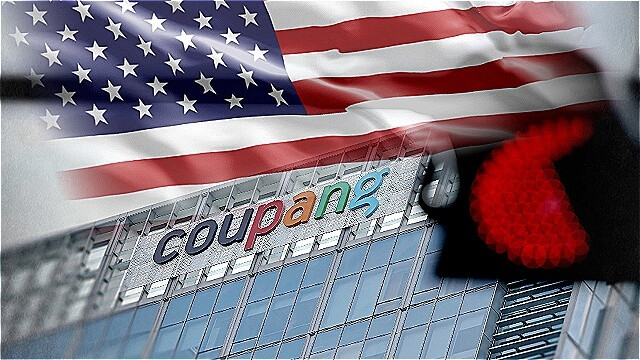
WASHINGTON — Following the Democratic Party's decisive victory in the United States midterm elections, political analysts are closely watching whether Washington’s aggressive stance against South Korea regarding regulatory fines on e-commerce giant Coupang will lose momentum.
The shift in congressional power—transitioning the House of Representatives from a Republican majority to a solid Democratic control—is expected to reshape key committees, most notably the House Judiciary Committee, which has been at the forefront of the controversy.
The Republican-Led Pressure Campaign
Earlier this year, the Republican-controlled House Judiciary Committee spearheaded efforts to push back against Seoul's regulatory actions. On July 1, the committee published a report accusing the South Korean government of enacting "discriminatory treatment" against American enterprises, specifically highlighting Coupang.
The controversy stems from a late-last-year data breach at Coupang, which exposed the personal information of roughly 33.7 million users after a disgruntled former employee gained unauthorized access. While South Korean authorities launched an investigation, Coupang argued that the probe unfairly targeted US corporations. Lawmakers sympathetic to the company, alongside the White House and congressional committees, subsequently amplified these claims.
The issue eventually spilled over into broader bilateral security and trade negotiations. South Korean National Security Office Director Wi Sung-rak acknowledged earlier this year that the Coupang dispute, alongside other digital trade barriers, had become entangled with critical bilateral discussions involving security and tariff policies.
Intensive Lobbying and Political Donations
Observers note that Coupang’s multi-layered lobbying strategy played a significant role in elevating the corporate dispute into a high-level diplomatic friction point.
According to Federal Election Commission (FEC) disclosures highlighted by Voice of America, Coupang’s political action committee (COUPAC) and corporate lobbying expenditures reached millions of dollars. Through September, Coupang spent over $3.6 million on lobbying while funneling hundreds of thousands in political contributions to key figures on both sides of the aisle, including House Republican leaders and select Democrats. Furthermore, government watchdog reports revealed significant financial contributions tied to President Trump's inaugural committee and the engagement of high-profile lobbying firms with deep ties to the Trump administration.
A New Congressional Dynamic Under Democrats
With the Democratic Party securing an expanded majority in the House, leadership and committee assignments are set to change significantly. House Democratic Leader Hakeem Jeffries has outlined an aggressive legislative agenda focusing on domestic economic relief and holding the Trump administration accountable, which may redirect congressional bandwidth away from foreign corporate disputes.
Academic experts suggest that the tone in Washington may moderate. Professor Kim Ji-woon of Chungnam National University noted that while Republican members acted unilaterally in pressuring Seoul earlier this year, Democratic lawmakers tend to place greater emphasis on data privacy, consumer protection, and antitrust regulations. Consequently, future congressional inquiries into the Coupang case are expected to be handled with greater legislative balance.
However, caution remains warranted. Because Coupang actively diversified its political contributions—increasing donations to Democratic candidates and securing connections across party lines ahead of the midterms—some analysts believe pressure from Washington may not vanish entirely. The Trump administration's ongoing inclination to link trade and regulatory friction to broader economic leverage further complicates the landscape.
The Domestic Reaction in South Korea
Beyond US politics, experts emphasize that Seoul's domestic response remains a crucial variable. Professor Lee Hye-jung of Chung-Ang University argued that domestic political framing in South Korea often exaggerates external friction, transforming routine congressional correspondence into perceived diplomatic crises. As the new US Congress takes shape, policy experts advise a measured, institutional response rather than overreacting to shifting political winds in Washington.
[Copyright (c) Global Economic Times. All Rights Reserved.]