
![[등록] 2026-09-01 15:48:31](/support/_updata/banner2/tl181982910_6749.png)


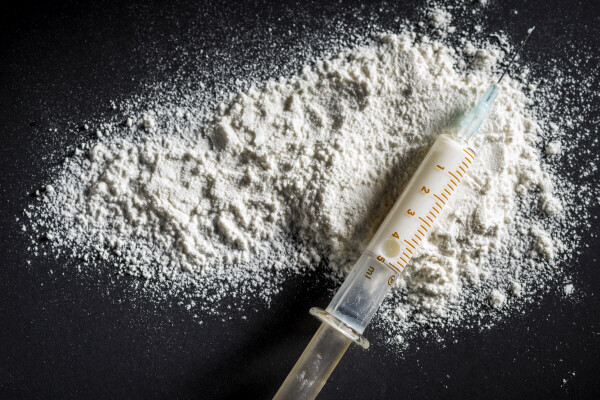
SUWON, South Korea – Correctional authorities in South Korea are investigating a potential case of drug smuggling into the Suwon Detention Center after a substance suspected to be Phencyclidine (PCP), a potent hallucinogenic drug known colloquially as "angel dust," was detected within the facility. The Ministry of Justice announced on Thursday that the suspicious material was discovered on April 22nd during a special cell inspection targeting inmates with a history of drug offenses.
According to the Ministry, the substance was identified using an ion scanner during the targeted search. Phencyclidine is classified as a psychotropic drug under South Korea's Narcotics Control Act due to its powerful psychoactive effects, which can include hallucinations, distorted perceptions, and dissociative sensations. The drug is known to pose significant risks to users and can lead to unpredictable and dangerous behavior.
The Suwon Detention Center's special judicial police team has since submitted the suspected PCP to the National Forensic Service for thorough laboratory analysis to confirm its composition. Simultaneously, an internal investigation is underway to determine how the substance may have been introduced into the correctional facility, with authorities focusing on potential external sources and internal vulnerabilities.
This incident follows closely on the heels of a similar discovery at the Incheon Detention Center on April 23rd, where an ion scanner detected a positive reaction for narcotics in a piece of mail before it could be brought into inmate housing. This proactive interception highlights the increased vigilance of correctional officers and the deployment of advanced detection technology.
A spokesperson for the Ministry of Justice emphasized the government's commitment to preventing drug infiltration into correctional facilities. "We are reinforcing our efforts to block the entry of narcotics into correctional institutions by introducing additional drug detection equipment such as ion scanners," the spokesperson stated. "We are taking these incidents with utmost seriousness and are determined to maintain the safety and security of our facilities."
Phencyclidine (PCP) first emerged in the 1950s as an anesthetic pharmaceutical but was quickly discontinued for human use due to its severe and often adverse psychological side effects. In illicit markets, PCP can appear in various forms, including powders, liquids, and tablets, and can be smoked, snorted, injected, or ingested. Its effects are highly variable and dose-dependent, ranging from feelings of euphoria and detachment to intense hallucinations, paranoia, aggression, and catatonia. Overdoses can lead to serious medical complications, including seizures, respiratory distress, and coma.
The discovery of suspected PCP within a South Korean detention center raises significant concerns about the methods employed to smuggle contraband into these secure environments. Potential avenues for introduction could include mail and packages, items brought in by visitors or even, in rare instances, by compromised staff. The fact that the substance was detected during a targeted search suggests that authorities were already operating under a heightened state of alert regarding potential drug activity within the Suwon facility.
The ongoing investigations at both the Suwon and Incheon detention centers underscore the challenges faced by correctional systems worldwide in preventing the entry of illicit substances. The introduction of drugs into prisons can fuel violence, disrupt rehabilitation efforts, and pose significant health risks to both inmates and staff.
The Ministry of Justice's commitment to bolstering security measures and deploying advanced detection technology signals a proactive approach to combating this issue. The results of the forensic analysis of the substance found in Suwon, along with the findings of the internal investigation, are expected to provide crucial insights into the scale and methods of drug smuggling into South Korean correctional facilities. This case will likely lead to a further tightening of security protocols and a renewed focus on preventing the flow of illegal drugs into the country's prisons.
[Copyright (c) Global Economic Times. All Rights Reserved.]














