• 2026.02.07 (Sat)
  • All articles
  • LOGIN
  • JOIN
Global Economic Times
APEC2025KOREA가이드북
  • Synthesis
  • World
  • Business
  • Industry
  • ICT
  • Distribution Economy
  • Well+Being
  • Travel
  • Eco-News
  • Education
  • Korean Wave News
  • Opinion
  • Arts&Culture
  • Sports
  • People & Life
  • Column
    • Cho Kijo Column
    • Lee Yeon-sil Column
    • Ko Yong-chul Column
    • Cherry Garden Story
  • Photo News
  • New Book Guide
MENU
 
Home > APEC 2025 KOREA GUIDE

Korea Information - Life

Global Economic Times Reporter / Updated : 2025-07-30 19:35:51
  • -
  • +
  • Print
Housing


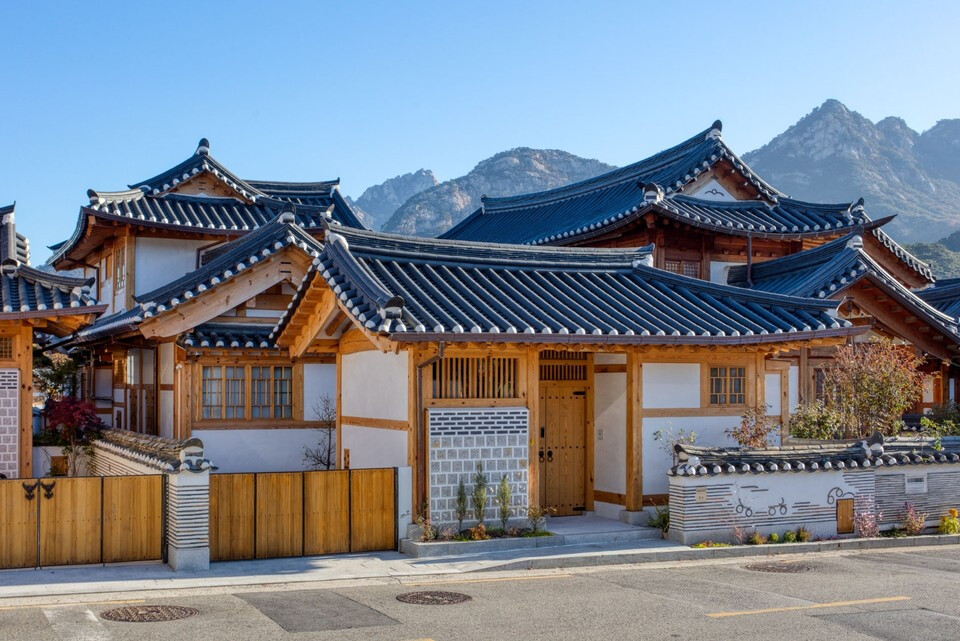
Hanok, traditional Korean houses. Myeongjae Gotaek, the ancient house of a Confucian scholar of the late Joseon (1392–1910) dynasty, in Nonsan, Chungcheongnam-do
Korean people have developed unique architectural techniques to build housing that is properly adapted to the natural environment, providing dwellers with better protection. One of the distinctive features of the hanok (traditional Korean house) is an underfloor heating system called ondol. Ondol, which literally means “warm stones” and was developed during the prehistoric period, refers to the system of channels running beneath the stone floor of a room through which heat is delivered from the fireplace in the kitchen. It is also designed to effectively draw out the smoke through the under-the-floor passages connected to the chimney.

Another architectural feature is the board-floored room called maru located at the center for multiple purposes. The room is usually larger than other rooms and is raised from the ground to allow warm and cold air to freely circulate under it. This creative natural air-conditioning system ensures a cool living environment during the summer. In other words, the traditional Korean house is scientifically designed to incorporate these smart ondol-maru systems in harmony. The roof is typically covered with either giwa (tiles) with different colors or byeotjib (rice straw). While most of the roof tiles are dark gray, some exhibit more vibrant colors as demonstrated, for example, by Cheongwadae, the official residence of the South Korean President, which literally means “Blue House” because it is covered by blue roof tiles. 

While traditional Korean houses are generally wooden structures, they can survive as long as other buildings made with other materials if properly taken care of. Presumed to have been built in the early 1200s, the Geungnakjeon Hall of Bongjeongsa Temple in Andong, Gyeongsangbuk-do, is Korea’s oldest extant wooden building. The ideal location for hanok is believed to have hills or mountains at the back of the house to prevent the cold wind and a stream or river in front to ensure easy access to water. Houses built in such a place create a great harmony with the surroundings, attracting more and more admirers at home and abroad. 

These days, over 60% of Seoul’s population live in modern apartments, but, interestingly, these tall, multistoried buildings are almost without exception furbished with a heating system inspired by the age-old ondol system. Similarly, newly built detached houses are also reliant on its legacy to heat the floor, although the traditional heat passages are now replaced with under-floor metal pipes with running water heated either by gas or electricity. This traditional Korean heating system has been gaining more popularity not only in South Korea but also in other countries with wide variations in daily temperature.

[Copyright (c) Global Economic Times. All Rights Reserved.]

  • #APEC2025KOREA
  • #APEC2025GYEONGJU
  • #KOREA
  • #SEOUL
  • #K-FOOD
  • #K-CULTURE
  • #K-TOUR.
Global Economic Times Reporter
Reporter Page

Popular articles

  • Actress Goo Hye-sun Fast-tracks Master’s Degree at KAIST, Eyes Doctorate Next

  • Top Japanese Actress Ryoko Yonekura Referred to Prosecutors Over Drug Use Allegations

  • Hyundai’s Atlas Named ‘Best Robot of CES 2026’ as it Prepares for Factory Deployment

I like it
Share
  • Facebook
  • X
  • Kakaotalk
  • LINE
  • BAND
  • NAVER
  • https://www.globaleconomictimes.kr/article/1065609292718011 Copy URL copied.
Comments >

Comments 0

Weekly Hot Issue

  • Inha University Hospital Celebrates 200th Kidney Transplant with 97% Survival Rate Leading the Way in Regional Transplantation Excellence and Donor Honor Systems
  • K-Science Breakthrough: The "Smart Hat" That Fights Balding with 92% Efficiency
  • Court Rules Sequence of Medical Procedures is a Matter of Physician Judgment, Not Patient Choice
  • Ministry of Health to Overhaul National University Hospitals: Shift to Vital Healthcare Hubs Begins this August
  • Heungsadan Explores Provisional Government Sites in China with Descendants of Independence Activists
  • "Climate Intelligence" to Shape National Competitiveness: 6223 Future Forum Concludes 9th Symposium

Most Viewed

1
"Climate Intelligence" to Shape National Competitiveness: 6223 Future Forum Concludes 9th Symposium
2
'AI Bus' Connecting Daejeon and Sejong Navigates Complex Urban Challenges
3
Chungnam Province Showcases Geumsan Ginseng at Berlin’s International Green Week 2026
4
Rising Prices Drive Surge in Warehouse Clubs; Payments Double in 4 Years
5
Google Cloud Gains Momentum as Gemini 3 and NanoBanana Go Viral; MSPs Sharpen Focus on GCP
광고문의
임시1
임시3
임시2

Hot Issue

South Korean Conglomerates Pledge 270 Trillion Won for Regional Investment to Boost Jobs and Growth

Musk Announces SpaceX Acquisition of xAI: A $1.25 Trillion "Interstellar Engine"

AI Boom Ignites Memory Super Cycle: DRAM and NAND Prices Set to Skyrocket

Wall Street Rebounds on AI Optimism and Earnings; Gold and Silver Continue Sharp Decline

Let’s recycle the old blankets in Jeju Island’s closet instead of incinerating them.

Global Economic Times
korocamia@naver.com
CEO : LEE YEON-SIL
Publisher : KO YONG-CHUL
Registration number : Seoul, A55681
Registration Date : 2024-10-24
Youth Protection Manager: KO YONG-CHUL
Singapore Headquarters
5A Woodlands Road #11-34 The Tennery. S'677728
Korean Branch
Phone : +82(0)10 4724 5264
#304, 6 Nonhyeon-ro 111-gil, Gangnam-gu, Seoul
Copyright © Global Economic Times All Rights Reserved
  • 에이펙2025
  • APEC2025가이드북TV
  • 독도는우리땅
Search
Category
  • All articles
  • Synthesis
  • World
  • Business
  • Industry
  • ICT
  • Distribution Economy
  • Well+Being
  • Travel
  • Eco-News
  • Education
  • Korean Wave News
  • Opinion
  • Arts&Culture
  • Sports
  • People & Life
  • Column 
    • 전체
    • Cho Kijo Column
    • Lee Yeon-sil Column
    • Ko Yong-chul Column
    • Cherry Garden Story
  • Photo News
  • New Book Guide
  • Multicultural News
  • Jobs & Workers