![[등록] 2026-09-01 15:48:31](/support/_updata/banner2/tl181982910_6749.png)


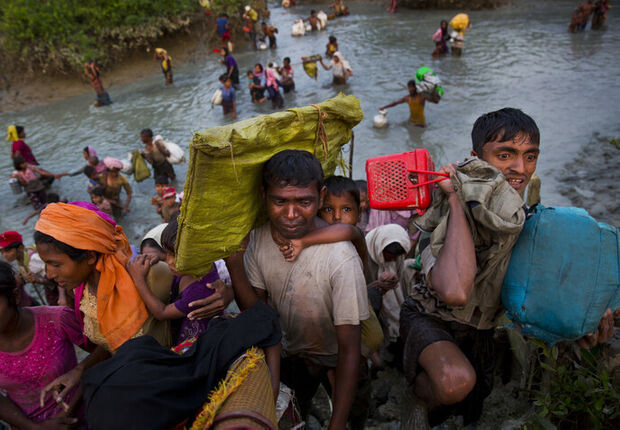
The unfolding tragedy in Myanmar's Rakhine State presents a grim tableau of ethnic strife and humanitarian crisis, demanding urgent international attention and concerted action. The recent surge in Rohingya refugees fleeing the relentless oppression of the Arakan Army (AA) and seeking precarious sanctuary in Bangladesh underscores the enduring vulnerability of this stateless minority. While the AA's ascendance in Rakhine State, seizing control of over 80% of the territory since November 2023, might be perceived as a shift in the regional power dynamics, for the Rohingya, it has merely ushered in a new chapter of terror, marked by killings, disappearances, torture, and the abhorrent practice of forced conscription.
The staggering number of Rohingya refugees now residing in Bangladesh, estimated at a minimum of 1.3 million, is a testament to decades of systemic discrimination and targeted violence in Myanmar. The latest influx of over 113,000 individuals since November 2023, predominantly after June of last year, paints a harrowing picture of the escalating dangers faced by the Rohingya within Rakhine State. These are not merely statistics; they represent human beings forced to make desperate choices, risking their lives to escape unimaginable horrors.
The claims made by the Arakan Rohingya Society for Peace and Human Rights (ARSPHR) regarding the AA's deliberate expulsion of Rohingya to facilitate the resettlement of Rakhine individuals from neighboring countries add a disturbing dimension to this crisis. If substantiated, this would constitute a systematic campaign of ethnic cleansing, further entrenching the statelessness and marginalization of the Rohingya people. The international community cannot afford to ignore such grave allegations and must initiate an immediate and impartial investigation into these reported human rights abuses.
Bangladesh, a nation already grappling with its own socio-economic challenges, has demonstrated remarkable humanitarianism by hosting such a massive refugee population. However, the Bangladeshi government's reluctance to establish new facilities for the latest wave of arrivals, citing a lack of space and concerns about hindering future repatriation efforts, is understandable, albeit deeply concerning. The strain on Bangladesh's resources and infrastructure is immense, and the prospect of an unending influx of refugees is a legitimate worry.
The United Nations High Commissioner for Refugees (UNHCR)'s plea for additional accommodation underscores the urgency of the situation. Without adequate shelter and essential resources, the newly arrived refugees face heightened risks of disease, malnutrition, and further vulnerability. The international community has a moral and legal obligation to share the burden with Bangladesh and provide substantial financial and logistical support to ensure the basic needs and safety of these displaced individuals are met.
The root of this crisis lies in Myanmar's long-standing denial of citizenship and fundamental rights to the Rohingya. The 1982 Citizenship Law effectively rendered them stateless, stripping them of their identity and leaving them vulnerable to persecution. The brutal military crackdown in 2017, which triggered the mass exodus of over 740,000 Rohingya to Bangladesh, exposed the horrific extent of the violence they face. The current actions of the AA, while distinct in their perpetrators, perpetuate this cycle of displacement and suffering.
The Arakan Army, initially formed to fight for greater autonomy for the ethnic Rakhine Buddhists, has increasingly exerted its authority in the region. While their conflict is primarily with the Myanmar military junta, the impact on the Rohingya population has been devastating. Reports of forced conscription by the AA are particularly alarming, as they force Rohingya men to fight against their own interests and potentially against their own community. This adds another layer of complexity to an already dire situation, blurring the lines between victim and perpetrator in a brutal conflict.
The international community's response to the Rohingya crisis has been largely inadequate. While there have been condemnations of violence and some humanitarian aid, concrete actions to hold the perpetrators accountable and address the root causes of the crisis have been lacking. The UN Security Council has been unable to adopt strong resolutions due to the opposition of key member states. ASEAN's engagement has been criticized as insufficient and ineffective.
Moving forward, a multi-pronged approach is urgently needed. Firstly, there must be intensified diplomatic pressure on all actors in Myanmar, including the military junta and the Arakan Army, to cease all forms of violence against the Rohingya and respect their human rights. Secondly, there must be a concerted international effort to investigate the alleged human rights abuses committed by the AA and hold those responsible accountable through international legal mechanisms.
Thirdly, the international community must provide significantly increased financial and logistical support to Bangladesh to assist with the immediate needs of the refugees and to develop sustainable solutions for their long-term well-being. This includes investing in education, healthcare, and livelihood opportunities within the refugee camps, while also exploring pathways for resettlement in third countries for a vulnerable subset of the population.
Finally, and most crucially, there must be a renewed focus on addressing the root causes of the Rohingya crisis in Myanmar. This requires a long-term commitment to promoting inclusive citizenship laws, ensuring the Rohingya's right to return in safety and dignity, and fostering reconciliation and peaceful coexistence among all communities in Rakhine State. The international community must work with all stakeholders, including civil society organizations and regional actors, to create the conditions for a just and lasting solution to this protracted crisis.
The Rohingya have endured unimaginable suffering for far too long. The latest wave of displacement serves as a stark reminder of their continued vulnerability and the urgent need for decisive international action. The world cannot stand idly by while an entire community faces persecution and statelessness. The principles of human rights and dignity demand a more robust and effective response to this unfolding tragedy in Myanmar and the precarious refuge sought by the Rohingya in Bangladesh. The time for decisive action is now, before more lives are lost and the hope for a just resolution fades further into the horizon.
[Copyright (c) Global Economic Times. All Rights Reserved.]