
![[등록] 2026-09-01 15:48:31](/support/_updata/banner2/tl181982910_6749.png)


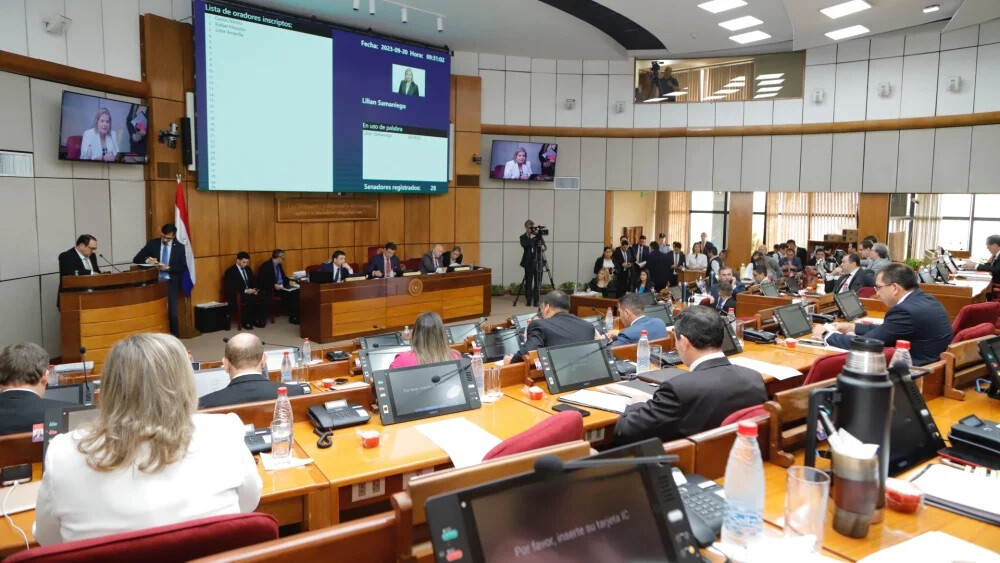
The Paraguayan Senate is in a heated debate over a bill that would significantly increase penalties for serious crimes committed by minors. The current Children and Adolescents Code (Ley Nº 1680 del Código de la Niñez y Adolescencia) stipulates a maximum of 8 years of deprivation of liberty for juvenile offenders. However, the proposed bill seeks to extend this to a maximum of 20 years and set a minimum sentence of 4 years, sparking intense controversy.
Background and Key Contents of the Stricter Penalties Bill
At the heart of the current discussion is a bill submitted by Senator José Oviedo, which specifically aims to drastically increase sentences from the current maximum of 8 years to 20 years for adolescents aged 14 to 17 who commit "crimes accompanied by premeditated and extreme violence." Senator Oviedo explained the background of the bill by stating it's a "response to the increasing juvenile crime rate and the reality of organized crime exploiting minors for criminal activities." He pointed out that "the current juvenile justice system is insufficient in terms of prevention and providing real justice for victims and society," arguing that juvenile crimes are increasingly being committed deliberately and cruelly, rather than merely stemming from immaturity.
Furthermore, Senator Oviedo emphasized that organized crime groups frequently exploit the fact that minors receive lighter penalties, luring them into criminal activities. He asserted that such situations undermine state authority and lead to violence, abuse, and even death for the minors themselves. He stated, "This proposal is not about turning children and adolescents into criminals, but about adjusting the criminal system to Paraguay's current reality and effectively protecting victims' rights as well as adolescents themselves from exploitation by organized crime."
Similarly, Senator Javier Zacarías Irún of the Colorado Party has also submitted a similar bill proposing a maximum sentence of 15 years, which will be discussed concurrently in the Senate session.
Human Rights Committee's Cautionary Stance and Alternatives
However, some senators, including the Human Rights Committee, are advocating for caution, arguing that tougher penalties are not the sole solution. Senator Mario Varela, chairman of the Senate's Human Rights Committee, stated, "While acknowledging the seriousness of certain juvenile crimes, the committee believes that in most cases, a maximum sentence of 10 years could be a reasonable alternative."
Senator Varela stressed, "An increase in sentences will not necessarily lead to a decrease in crime," and "we must remember that children and adolescents are still developing cognitively, intellectually, and emotionally." He added that while severe crimes involving minors, such as the recent murder of María Fernanda Benítez in Coronel Oviedo, have indeed caused great shock and debate among the public, this issue cannot be resolved solely by increasing sentences.
Expansion of Social Debate and Future Prospects
In Paraguayan society, alongside anger over serious juvenile crimes, there is a growing call for efforts to be made concurrently for their reintegration into society. International conventions like the UN Convention on the Rights of the Child emphasize judicial treatment that considers children's developmental stages, advocating for the importance of educational and correctional programs for recidivism prevention and social reintegration, rather than the same penalties as adults. Considering the international conventions ratified by Paraguay and the spirit of its own constitution, there is a need for more in-depth discussion on whether simply increasing sentences is the best solution.
This Senate debate is expected to be a crucial opportunity to find a balance between societal views on juvenile crime, the role of the justice system, and the importance of reintegration. All eyes are on what decision the Paraguayan Senate will make and how it will impact the reduction of juvenile crime and prevention of recidivism.
[Copyright (c) Global Economic Times. All Rights Reserved.]














