![[등록] 2026-09-01 15:48:31](/support/_updata/banner2/tl181982910_6749.png)


- Prioritizing EVs and hydrogen vehicles for business fleets
- Accelerating the adoption of high-efficiency facilities and renewable energy infrastructure
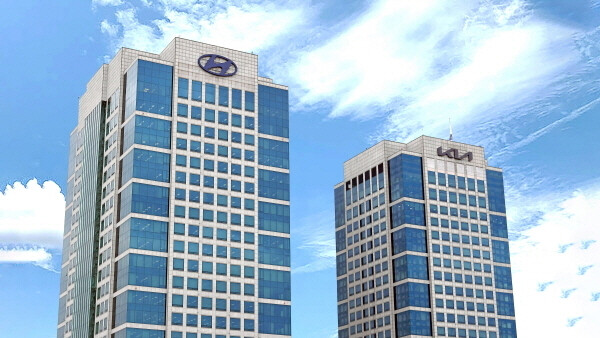
In a decisive move to align with the South Korean government’s recent energy conservation initiatives, Hyundai Motor Group (HMG) announced today a comprehensive expansion of its vehicle rotation policy across its key subsidiaries. The group aims to significantly reduce its carbon footprint and lead by example in the corporate sector’s transition toward a more energy-efficient operational model.
Strengthening the Vehicle Rotation Policy
Effective immediately, Hyundai Motor Group is broadening the scope of its mandatory vehicle rotation system. While Hyundai Motor Company and Kia Corporation have already been operating under a 5-day rotation system (where vehicles are restricted from driving one day a week based on the last digit of their license plate), this policy will now encompass other major affiliates.
Key subsidiaries, including Hyundai Steel, Hyundai Kefico, and Hyundai AutoEver, will transition from their previous 10-day rotation (10-bu-je) to the more rigorous 5-day rotation (5-bu-je). To mitigate potential commuting inconveniences for employees resulting from these restrictions, the group plans to simultaneously expand its corporate shuttle bus networks across major routes.
Transitioning to a Greener Fleet
Beyond employee commuting, the group is overhauling its logistics and administrative operations. HMG has mandated that Electric Vehicles (EVs) and Hydrogen Fuel Cell Electric Vehicles (FCEVs) be prioritized for all business-related travel. Furthermore, the group established a new procurement protocol requiring that any new additions to the corporate fleet must be eco-friendly models, accelerating the phase-out of internal combustion engine (ICE) vehicles within the organization.
Optimizing Industrial Infrastructure
The energy-saving drive extends deep into the group's manufacturing and office infrastructure. Hyundai Motor Group is currently conducting a full-scale audit of its facilities to optimize operational efficiency. Key initiatives include:
System Upgrades: Replacing aging, low-efficiency heating, cooling, and lighting systems with state-of-the-art high-efficiency equipment.
Smart Offices: The Yangjae-dong headquarters for Hyundai and Kia has already implemented an automatic light-extinguishing system to curb unnecessary power consumption during off-hours.
Renewable Energy Expansion: The group is actively reviewing plans to install additional solar power generation arrays at factory sites and employee parking lots.
Grid Efficiency: HMG intends to expand the application of Energy Storage Systems (ESS) to stabilize power demand and maximize the utilization of self-generated renewable energy.
A Leading Voice in Corporate Responsibility
A spokesperson for Hyundai Motor Group stated, "As a leader in the global mobility industry, it is our responsibility to take proactive measures against the energy crisis and climate change. By expanding these policies to our major industrial subsidiaries like Hyundai Steel, we expect to see a substantial and immediate reduction in our total energy expenditure."
Industry analysts suggest that HMG's aggressive stance may set a new benchmark for other large conglomerates (Chaebols) in South Korea, potentially leading to a wider adoption of similar "5-day rotation" policies and green facility investments across the nation's industrial landscape.
[Copyright (c) Global Economic Times. All Rights Reserved.]