![[등록] 2026-09-01 15:48:31](/support/_updata/banner2/tl181982910_6749.png)


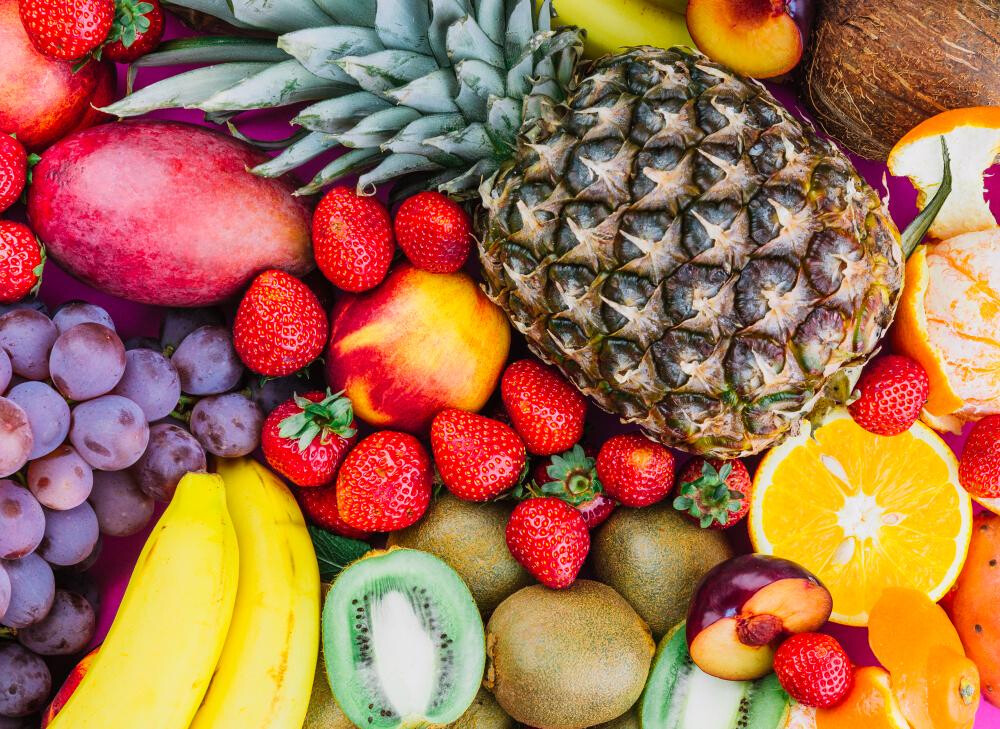
A recent study attracting significant attention has revealed that a diet rich in fruit significantly lowers the risk of developing stomach cancer. This research particularly highlights the importance of dietary improvement in preventing stomach cancer, especially in East Asian countries like South Korea, Japan, and China, where stomach cancer incidence is exceptionally high.
The Power of Fruit: 11% Reduction in Stomach Cancer Risk
On May 24, a joint research team led by Professor Daehee Kang of the Department of Preventive Medicine at Seoul National University College of Medicine and Professor Sang-Ah Shin of the Department of Food Science and Nutrition at Chung-Ang University published their findings in the latest issue of the international journal 'Epidemiologic Reviews.' Their meta-analysis encompassed 30 domestic and international cohort studies on 4.27 million Asian individuals. A meta-analysis is a research method that comprehensively re-analyzes existing research results on a specific topic to increase statistical reliability.
The study found that groups with higher fruit intake had an average of an 11% lower risk of stomach cancer compared to groups with lower intake. The research team explained that various antioxidant and anti-inflammatory components abundant in fruits, such as vitamin C, polyphenols, and dietary fiber, play a crucial role in inhibiting the formation of carcinogens produced by Helicobacter pylori, one of the main culprits of stomach cancer. Helicobacter pylori is known as a strong risk factor that can cause inflammation of the gastric mucosa and progress from chronic gastritis, gastric ulcers, and duodenal ulcers to stomach cancer. Furthermore, these components in fruits were analyzed to significantly protect the gastric mucosa and genes from damage, and to suppress the progression of atrophic gastritis to stomach cancer. Interestingly, consuming whole fruits was found to be more effective in preventing stomach cancer than consuming them in juice form. This is interpreted as being due to the synergistic effect of various nutrients, including dietary fiber, obtained when consuming whole fruits.
The Fatal Danger of Salt Intake: Up to 97% Increase in Stomach Cancer Risk
Conversely, excessive salt intake was identified as a powerful factor that increases the risk of stomach cancer by up to 97%, which came as a shock. The research team explained that excessive salt induces abnormal proliferation and transformation of gastric mucosal cells and increases the sensitivity of the gastric mucosa to Helicobacter pylori infection, thereby raising cancer incidence. Additionally, high salt concentration in the stomach can continuously irritate the mucosa, inducing intestinal metaplasia. Intestinal metaplasia is a condition where the gastric mucosa transforms to resemble small or large intestinal mucosa, classified as a precancerous lesion, and is known to significantly increase the risk of stomach cancer.
However, the researchers added that the analysis of the association between salt intake and stomach cancer was based on a relatively small number of cohort studies (3), thus necessitating further research to clarify the causal relationship. Other dietary factors, including vegetables, meat, soy products, tea, coffee, and eating patterns, showed no statistically significant association with stomach cancer incidence in this study, excluding fruits and salt.
East Asians' Vulnerability to Stomach Cancer and the Importance of Dietary Improvement
Stomach cancer is particularly prevalent among East Asians, including Koreans, Japanese, and Chinese. Over 60% of the more than 1 million new stomach cancer cases worldwide each year are concentrated in the East Asian region. South Korea, in particular, has the highest stomach cancer incidence rate in the world, a shocking figure approximately 10 times higher than that of the United States. Previous studies have cited 'lack of physical activity' as the biggest reason for Koreans' susceptibility to stomach cancer, regardless of gender. However, this study clearly demonstrates the significant impact of diet, especially fruit and salt intake, on stomach cancer development, once again reminding us of the importance of lifestyle improvements.
Experts emphasize that based on these research findings, efforts are needed to increase fruit intake in the diet and actively reduce the amount of salt unknowingly consumed through processed foods and dining out. Caution is particularly necessary as many staple Korean foods, such as kimchi, fermented pastes (jang류), soups (guk), and stews (jjigae), contain high amounts of salt. Furthermore, regular gastroscopy examinations are crucial for early detection and treatment of stomach cancer. If detected early, the 5-year survival rate for stomach cancer is very high, over 90%, but for advanced stomach cancer, the survival rate drops sharply.
This study provides practical dietary guidelines for stomach cancer prevention and once again highlights the importance of a healthy diet in preventing diseases. Moving forward, continued research on stomach cancer prevention, along with policy efforts to promote public health, will be essential.
[Copyright (c) Global Economic Times. All Rights Reserved.]