![[등록] 2026-09-01 15:48:31](/support/_updata/banner2/tl181982910_6749.png)


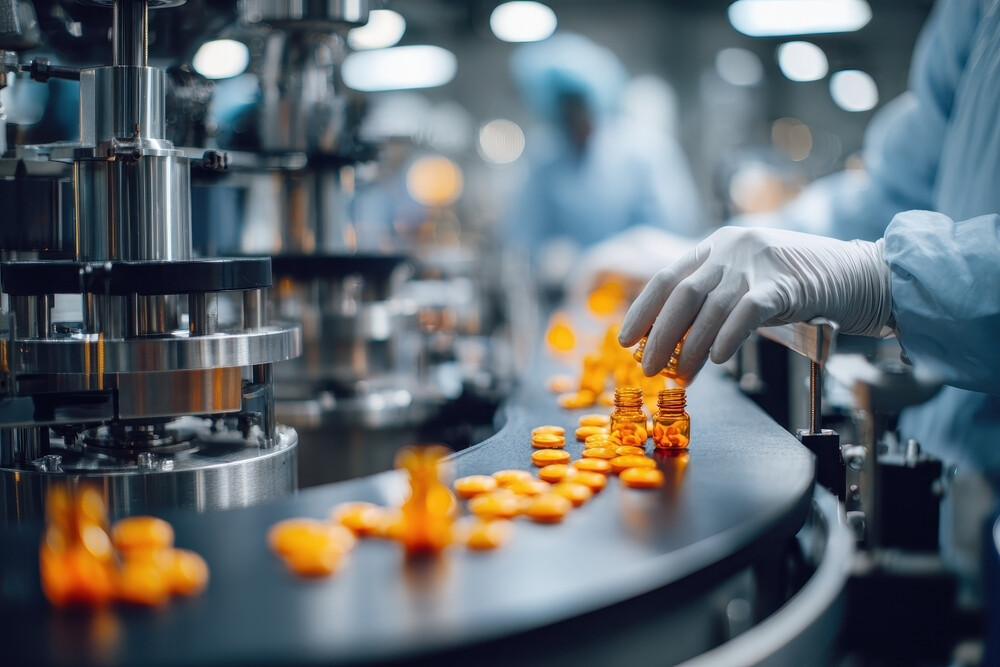
The war between the U.S. and Iran has triggered a surge in petrochemical prices, leading to a massive increase in pharmaceutical manufacturing costs. Since government regulations make it difficult to raise the price of essential drugs, the industry is struggling to absorb the rising costs of oral medications and low-cost pharmaceuticals, sparking fears of a profitability crisis and potential supply shortages.
1. The Surge in Packaging Costs
Domestic pharmaceutical companies have been notified of 30-50% price hikes by packaging suppliers. These increases affect essential items like blister packs, syrup bottles, and vial caps. Due to the limited number of suppliers in the market, pharmaceutical companies have little leverage in price negotiations.
2. Raw Material Volatility T
he price of Low-Density Polyethylene (LDPE), a staple in medical packaging, has nearly doubled in two months—rising from 2 million KRW to 3.9 million KRW per ton. Both large and mid-sized firms are feeling the squeeze as production overhead continues to climb.
3. Supply Shortage Concerns
To mitigate losses, some companies are planning to prioritize the production of high-margin drugs over low-cost essentials. This shift in production strategy raises concerns about the stable supply of basic medicines, which could eventually impact public health.
4. Long-term Outlook
Experts warn that the crisis will not be resolved quickly. Due to the time lag between raw material price changes and finished packaging costs, it is expected to take at least six months for the market to stabilize even after the geopolitical situation improves.
[Copyright (c) Global Economic Times. All Rights Reserved.]