• 2026.04.24 (Fri)
  • All articles
  • LOGIN
  • JOIN
Global Economic Times
fashionrunwayshow2026
  • Synthesis
  • World
  • Business
  • Industry
  • ICT
  • Distribution Economy
  • Well+Being
  • Travel
  • Eco-News
  • Education
  • Korean Wave News
  • Opinion
  • Arts&Culture
  • Sports
  • People & Life
    • International Student Report
    • With Ambassador
  • Column
    • Cho Kijo Column
    • Cherry Garden Story
    • Ko Yong-chul Column
    • Kim Seul-Ong Column
    • Lee Yeon-sil Column
  • Photo News
  • New Book Guide
MENU
 
Home > World

Iran Begins Collecting Transit Fees in Strait of Hormuz, Sparking Global Energy Concerns

Global Economic Times Reporter / Updated : 2026-04-23 22:14:39
  • -
  • +
  • Print


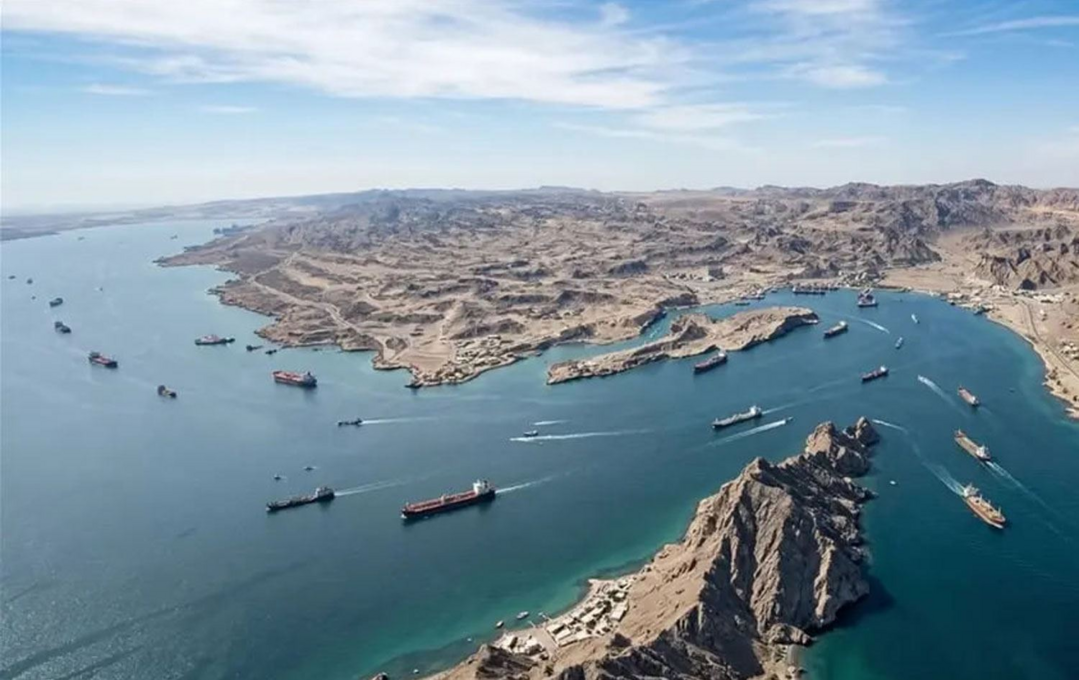
Iran has officially moved to monetize its control over the Strait of Hormuz, the world’s most critical oil transit chokepoint. According to state-run Press TV, Hamid-Reza Haji-Babaei, Vice Speaker of the Iranian Parliament, confirmed today that the first batch of "transit fees" collected from vessels passing through the strait has been deposited into the Central Bank of Iran.

Strategic Leverage and New Legislation
This development follows Iran’s military blockade of the strait in late February, an action taken in response to attacks by the U.S. and Israel. Iran has since allowed limited passage to non-hostile vessels under the condition of paying for "security services."

To solidify this practice, the Iranian Parliament’s National Security and Foreign Policy Committee recently passed the "Law on Establishing Iranian Sovereignty over the Strait of Hormuz." The legislation mandates that all passing vessels obtain prior authorization and pay fees exclusively in Iranian Rials. Furthermore, the law grants authorities the power to seize non-compliant vessels and confiscate approximately 20% of their cargo value.

Market Impact: A $2 Million Toll for Supertankers
While official rates remain undisclosed, industry analysts estimate the toll at approximately $1 per barrel for tankers. For a Very Large Crude Carrier (VLCC), this translates to a staggering $2 million (approx. 3 billion KRW) per transit.

The international community is watching with growing concern. With nearly a fifth of the world’s oil consumption passing through this narrow waterway, Iran’s move to demand "passage money" under the threat of seizure is expected to disrupt global maritime order and send shockwaves through the energy and logistics sectors. Experts warn that these costs will inevitably be passed down to consumers, fueling global inflationary pressures.

[Copyright (c) Global Economic Times. All Rights Reserved.]

  • #Hormuz Impasse
  • #globaleconomictimes
  • #micorea
  • #mykorea
  • #nammidonganews
  • #singaporenewsk
  • #Samsung
  • #Daewoo
  • #Hyos
Global Economic Times Reporter
Reporter Page

Popular articles

  • From the Alps to Seoul: Life in the Heart of Europe

  • TikTok Bets $50M on South Korea: Creator Rewards to Increase Sixfold

  • Grandmaster Kangil Lee Restores Legal Status as Killeen Korean American Association President… A Signal for Innovation and Integrity in the Korean Community

I like it
Share
  • Facebook
  • X
  • Kakaotalk
  • LINE
  • BAND
  • NAVER
  • https://www.globaleconomictimes.kr/article/1065618828274436 Copy URL copied.
Comments >

Comments 0

Weekly Hot Issue

  • KOSPI Hits All-Time High Amid Mid-East Volatility; Samsung Electronics Surges
  • Middle East Conflict Hits Pharma Supply Chains: Oral and Low-Cost Meds Under Fire
  • Government Freezes Fuel Price Caps and Expands LPG Tax Cuts to Combat Inflation
  • Secondary Battery Boom Ignites: Samsung SDI, LG Energy Solution Surge Over 5% in Pre-market
  • US-Iran Nuclear Talks Collapse: Trump Extends Ceasefire to Avert Immediate Conflict
  • Lee Jae-yong’s Vision Vindicated: Samsung’s $8B Harman Deal Doubles Revenue to $12B in a Decade

Most Viewed

1
From the Alps to Seoul: Life in the Heart of Europe
2
$2 Million Per Ship: Iran’s "Hormuz Toll" Emerges as Chokepoint in Peace Talks
3
BOK Holds Rate Steady for Seventh Consecutive Meeting, Signaling End of Easing Cycle
4
Fashion Runway Show 2026
5
President Lee’s Approval Rating Hits Record High of 67% for Second Consecutive Week: Gallup Korea
광고문의
임시1
임시3
임시2

Hot Issue

Iran Begins Collecting Transit Fees in Strait of Hormuz, Sparking Global Energy Concerns

Japan's Desperate Push Against Demographic Decline

Apple Eyes 2026 Launch for Camera-Equipped AirPods Pro: A New Era of Spatial Interaction

South Korean Activist Detained Following Anti-Shrine Protest in Tokyo

Fashion Runway Show 2026

Global Economic Times
korocamia@naver.com
CEO : LEE YEON-SIL
Publisher : KO YONG-CHUL
Registration number : Seoul, A55681
Registration Date : 2024-10-24
Youth Protection Manager: KO YONG-CHUL
Singapore Headquarters
5A Woodlands Road #11-34 The Tennery. S'677728
Korean Branch
Phone : +82(0)10 4724 5264
#304, 6 Nonhyeon-ro 111-gil, Gangnam-gu, Seoul
Copyright © Global Economic Times All Rights Reserved
  • 에이펙2025
  • APEC2025가이드북TV
  • 반달곰 프로젝트
Search
Category
  • All articles
  • Synthesis
  • World
  • Business
  • Industry
  • ICT
  • Distribution Economy
  • Well+Being
  • Travel
  • Eco-News
  • Education
  • Korean Wave News
  • Opinion
  • Arts&Culture
  • Sports
  • People & Life 
    • 전체
    • International Student Report
    • With Ambassador
  • Column 
    • 전체
    • Cho Kijo Column
    • Cherry Garden Story
    • Ko Yong-chul Column
    • Kim Seul-Ong Column
    • Lee Yeon-sil Column
  • Photo News
  • New Book Guide
  • Multicultural News
  • Jobs & Workers