![[등록] 2026-09-01 15:48:31](/support/_updata/banner2/tl181982910_6749.png)


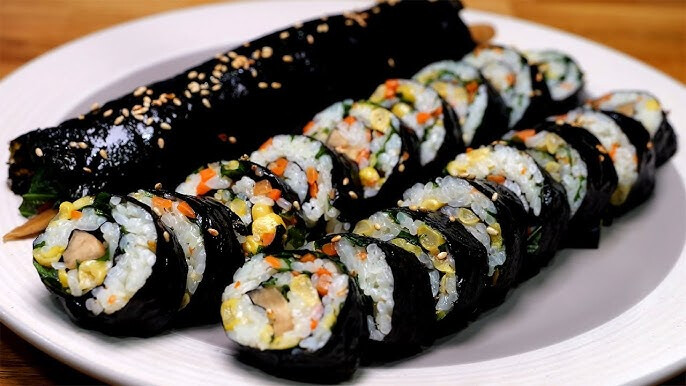
SEOUL - The price of gimbap, a widely favored and convenient meal for consumers in Seoul, has once again risen, adding to the growing burden of dining out in the capital city. According to data released on April 16th by the Korea Consumer Agency's price information portal, "Chamgageok" (참가격), the average price of a single roll of gimbap in Seoul increased from 3,538 won in February to 3,600 won in March.
This continuous upward trend marks a significant increase from July 2022, when gimbap was still priced within the 2,000 won range. The cost of this popular snack crossed the 3,000 won threshold in August 2022 and further surged into the 3,500 won range by November of last year. This steady climb reflects broader inflationary pressures impacting the South Korean economy, particularly the food and beverage sector.
Bibimbap, another quintessential Korean dish, has also experienced a similar price hike. The average cost of a bowl of bibimbap in Seoul rose from 11,308 won in February to 11,385 won in March. The price trajectory of bibimbap highlights a longer-term inflationary trend, escalating from the 8,000 won range in 2017 to the 9,000 won range by June 2021, breaching the 10,000 won mark in January 2023, and subsequently reaching the 11,000 won range by September of last year.
While gimbap and bibimbap saw price increases in the latest data, the prices of other commonly consumed dishes in Seoul remained stable between February and March. These included jajangmyeon (black bean noodles) at 7,500 won, kalguksu (knife-cut noodle soup) at 9,462 won, naengmyeon (cold buckwheat noodles) at 12,115 won, samgyeopsal (grilled pork belly, per 200g serving) at 20,276 won, samgyetang (ginseng chicken soup) at 17,346 won, and kimchi jjigae baekban (kimchi stew with rice and side dishes) at 8,500 won.
Despite the temporary stabilization of some prices, the underlying factors contributing to the overall increase in dining-out costs persist. Businesses continue to grapple with rising expenses across various operational aspects. These include sustained increases in the cost of raw ingredients, which form the base of most Korean dishes, as well as escalating labor costs driven by a tight job market and minimum wage adjustments. Furthermore, the burden of increasing commercial rents, coupled with higher utility bills such as electricity and water, further strains the financial viability of restaurants and eateries in Seoul.
Industry analysts point to a confluence of global and domestic economic factors fueling these price increases. Global supply chain disruptions, although somewhat eased, continue to impact the cost of imported food items and agricultural products. Domestically, inflationary pressures stemming from government policies, currency fluctuations, and increased demand contribute to the rising cost of goods and services, including dining out.
The impact of these rising food prices is being felt acutely by consumers in Seoul, many of whom rely on affordable options like gimbap for quick and budget-friendly meals. The continuous increase in the price of such staples raises concerns about the affordability of everyday necessities and the overall cost of living in the capital.
Experts predict that the upward trend in dining-out costs is likely to continue for the foreseeable future unless there are significant shifts in the underlying economic conditions. Factors such as potential further increases in energy prices, continued labor shortages, and global food price volatility could exert additional pressure on restaurant owners to raise prices to maintain their profit margins.
The Korea Consumer Agency and other related organizations are closely monitoring these price trends and their impact on consumers. There are ongoing discussions about potential measures to mitigate the burden of rising food costs, including government subsidies for essential food items or policies to stabilize the prices of key agricultural products. However, the effectiveness and implementation timeline of such measures remain uncertain.
In the meantime, Seoul residents are increasingly feeling the pinch in their wallets when it comes to dining out. The once-affordable gimbap is becoming less so, symbolizing a broader trend of rising food costs that is impacting the daily lives and spending habits of consumers across the city. The stabilization of some popular dishes offers a temporary respite, but the underlying economic pressures suggest that the overall cost of eating out in Seoul is likely to remain elevated. Consumers may need to adjust their spending habits and explore more budget-conscious dining options as these inflationary pressures persist. The coming months will be crucial in observing whether government interventions or shifts in the economic landscape can alleviate the increasing financial burden of dining out in Seoul.
[Copyright (c) Global Economic Times. All Rights Reserved.]