![[등록] 2026-09-01 15:48:31](/support/_updata/banner2/tl181982910_6749.png)


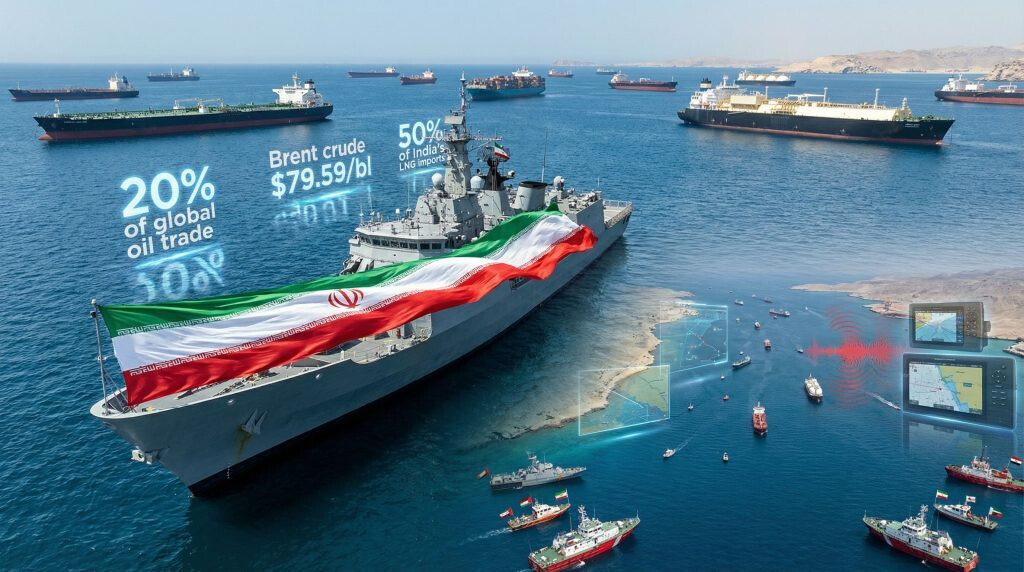
The specter of the COVID-19 pandemic, where nations fought bitterly over face masks and vaccines, has returned to the global stage. This time, however, the commodity in question is "black gold." As the conflict between the United States and Iran destabilizes energy supply chains, a global scramble to stockpile energy resources is pushing the world economy into what experts describe as a "survival mode."
The Vicious Cycle of Stockpiling
According to a report by the New York Times (NYT), the current surge in oil prices is being driven less by an actual physical shortage and more by "precautionary demand." Governments and private corporations, fearing a total shut-off of Middle Eastern supplies, are aggressively outbidding one another to fill their strategic reserves.
This hoarding behavior creates a self-fulfilling prophecy: as nations pull crude oil off the market to store it underground, the available supply for immediate consumption shrinks, further driving up prices and triggering even more panic buying.
A Divided World: The Wealthy vs. The Vulnerable
The race for energy has exposed a deep rift between resource-rich or capital-heavy nations and those dependent on imports. Major powers like the United States, China, Europe, and Japan are leveraging their immense financial reserves to preemptively secure shipments. In Europe, countries are reportedly offering record-high premiums for jet fuel, outbidding Asian counterparts to ensure their aviation sectors remain operational.
In contrast, developing nations are facing a grim reality. In the Philippines, which imports nearly 90% of its fuel from the Gulf, the government has been forced to implement emergency measures, including fuel tax suspensions. Despite these efforts, transport strikes have paralyzed parts of the country as drivers can no longer afford to operate. Similarly, in India, authorities have begun cracking down on the hoarding of Cooking Gas (LPG) as supply jitters cause domestic chaos.
Economic "Jungle Law"
Isabella Weber, a professor at the University of Massachusetts, described the current atmosphere as the "Law of the Jungle," where economic might dictates survival. Eswar Prasad of Cornell University added that the global community has shifted from a collaborative trade model to a fragmented "survival mode."
The International Monetary Fund (IMF), the World Bank, and the International Energy Agency (IEA) have issued a rare joint statement urging nations to exercise restraint. They warned that export bans and excessive stockpiling would only exacerbate the global crisis, hurting the most vulnerable populations first.
IMF Warning: A Looming Recession
In its "April World Economic Outlook," the IMF warned that the Middle East conflict has placed the global economy at a critical crossroads. The shock is being transmitted through three main channels: skyrocketing energy costs, rising inflation expectations, and a general "risk-off" sentiment in financial markets.
The IMF presented several grim scenarios:
Base Case: Continued volatility will slow global growth.
Escalation Scenario ($100/barrel): Global growth could drop to 2.5%.
Severe Scenario ($110/barrel): Growth may plummet to a mere 2%, signaling a near-recessionary state for the global economy.
The End of the Borderless Era?
The geopolitical implications are as profound as the economic ones. Nobel laureate Joseph Stiglitz noted that the post-WWII global order was built on the premise that borders should not impede the flow of essential goods. "When national hoarding begins," Stiglitz remarked, "borders suddenly matter again."
As protectionism spreads and energy becomes a weapon of national security rather than a traded commodity, the dream of a seamless global market appears to be retreating, replaced by a fractured landscape where every nation is fending for itself.
[Copyright (c) Global Economic Times. All Rights Reserved.]