• 2026.11.11 (Wed)
  • All articles
  • LOGIN
  • JOIN
Global Economic Times
[등록] 2026-09-01 15:48:31
  • Synthesis
  • World
  • Business
  • Industry
  • ICT
  • Distribution Economy
  • Well+Being
    • Pet Life
    • Halal Horizon
  • Travel
  • Eco-News
  • Education
  • Korean Wave News
  • Opinion
  • Arts&Culture
  • Sports
  • People & Life
    • International Student Report
    • With Ambassador
  • Column
    • Cho Kijo Column
    • Cherry Garden Story
    • Ko Yong-chul Column
    • Kim Bong-seon's Photo Column
    • Kim Seul-Ong Column
    • Lee Yeon-sil Column
  • Photo News
  • New Book Guide
MENU
 
Home > Well+Being

South Korea Confronts a Growing Health Crisis as Adult Obesity Rates Surge

Hwang Sujin Reporter / Updated : 2026-11-10 19:11:19
  • -
  • +
  • Print

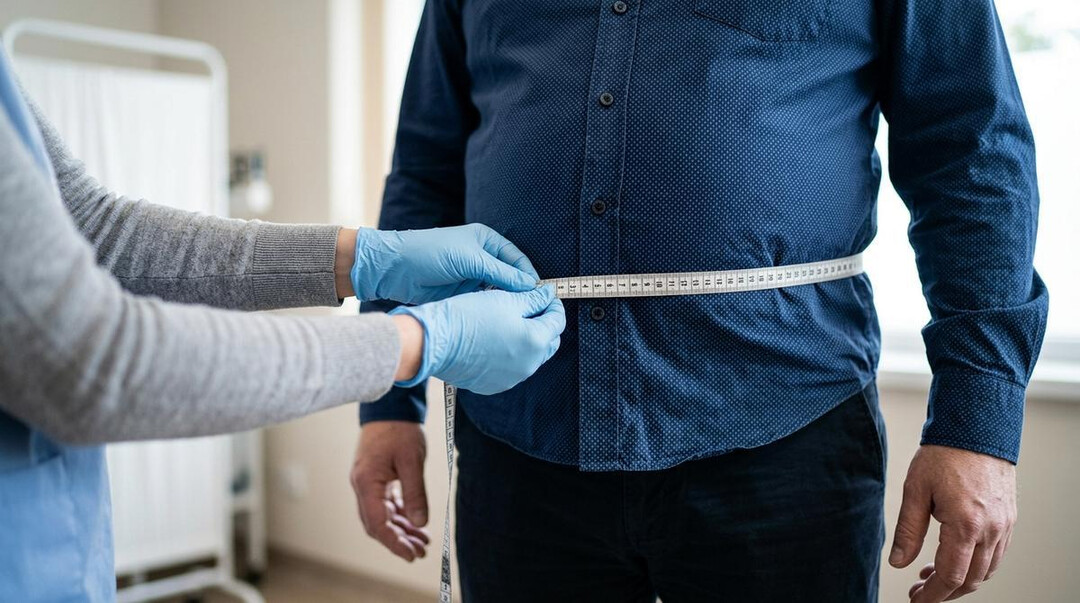
SEOUL — South Korea is grappling with a widening public health challenge as new data reveals that over a third of the nation's adult population is now classified as obese, driven largely by stressful work lifestyles and shifting daily habits.

According to a comprehensive health report published by national health authorities, the country's overall adult obesity rate has reached 35.4%, marking a significant 26.9% increase over the past ten years. The findings highlight a striking demographic divide: working-age men face the highest overall rates, while younger generations are experiencing the most rapid acceleration in weight gain.

Prime Years Impacted Most

The data shows that middle-aged men bear the brunt of the trend. Among men in their 30s and 40s, more than 50% are categorized as obese—surpassing a 52% and 53% threshold respectively. Overall, male obesity stands at 42.5%, nearly double the rate recorded for women at 22.9%. Health experts attribute these elevated numbers to long office hours, late-night corporate gatherings, chronic sleep deprivation, and a lack of regular physical activity.

Conversely, female obesity trends skew differently across age cohorts. Younger women in their 20s report the lowest rates at 16.4%, but vulnerability climbs steadily with age, peaking at 27.4% for women aged 70 and older.

However, public health officials have expressed alarm over the rapid trajectory among young adults. Over the last decade, obesity rates among individuals in their 20s have surged dramatically—climbing 43.4% for young men and over 60% for young women—signaling a concerning shift in early adulthood wellness habits.

Body Image Disconnect and Lifestyle Drivers

The report also uncovered a widespread psychological disconnect regarding body perception. Approximately 36% of individuals who meet clinical definitions of obesity do not recognize themselves as overweight and take no preventive measures, a group heavily skewed toward older male demographics. On the flip side, a fraction of underweight individuals—predominantly young and middle-aged women—expressed distorted body self-images, leading them to pursue unnecessary and potentially harmful dieting practices.

Researchers pointed to specific everyday behaviors that compound obesity risks:

Lack of Strength Training: Individuals who omit resistance exercises face a 35% higher relative risk of obesity.
Insufficient Sleep: Sleeping six hours or less per night elevates risk significantly.
Skipping Breakfast and Sedentary Routines: Irregular meal patterns and low daily step counts further compound weight gain.

Regional and Socioeconomic Disparities Geographically, the study noted widespread increases across nearly all major provinces and municipalities over the decade, with industrial regions like Ulsan registering some of the highest local obesity rates. Furthermore, regional comparisons underscore a broader socioeconomic health gap: areas with higher obesity concentrations simultaneously reported nearly double the incidence of chronic conditions such as hypertension and diabetes compared to lower-rate regions.

In response to the findings, public health agencies are urging both individuals and local municipalities to implement sustainable community-level interventions—focusing on accessible physical activity, balanced nutrition education, and targeted preventative care to curb the long-term burden of chronic lifestyle diseases.

[Copyright (c) Global Economic Times. All Rights Reserved.]

  • #Cherry Garden
  • #HalalFood
  • #Halal
  • #Petlife
  • #Halalhorizone
  • #Hormuz Impasse
  • #globaleconomictimes
  • #micorea
  • #mykor
Hwang Sujin Reporter

Popular articles

  • CGV Unveils October Tech Special Hall Lineup… From Films to K-Pop Live Concerts

  • November Shopping Festival Sparks Retail War in South Korea: Where to Find the Best Deals

  • First Snow and Freeze Hit Korea as Winter Officially Begins on 'Ipdeong'

I like it
Share
  • Facebook
  • X
  • Kakaotalk
  • LINE
  • BAND
  • NAVER
  • https://www.globaleconomictimes.kr/article/1065607789531799 Copy URL copied.
Comments >

Comments 0

Weekly Hot Issue

  • Inha University Caught in Campus Culture Clash Over Proposed Rhee Syng-man Statue Revival
  • Honoring a Legacy: Poet Oh Dong-chun Recognized for Lifelong Dedication to Hangul and Sijo Poetry
  • Bongeunsa Temple to Host 2026 Patriotic Buddhism Cultural Festa
  • Pain of Chosei Coal Mine Meets Japanese Readers: Moon Young-sook Publishes Japanese Edition of 'Black Sea'
  • Beyond the Trillion-Dollar Mark: China’s Trade Surplus and the Debate Over Global Economic Dominance
  • BYD Raises Export Target by 40% as Chinese EVs Surpass Western Rivals in Global Markets

Most Viewed

1
US Army Conducts Rare Temporary Burial Drills to Prepare for Worst-Case Large-Scale War Scenarios
2
World Citizens are Flying Directly to Busan... The Era of 4 Million Foreigners is Just Around the Corner
3
Eating 100g of Baechu Kimchi Daily Linked to Lower High-Cholesterol Risks
4
Meeting Christmas Early!… Busan Dessert Sales Event "Daldal The Market" Held
5
November Shopping Festival Sparks Retail War in South Korea: Where to Find the Best Deals
체리가든 스토리
nutri huevos
로타리
동포저널

Hot Issue

Jensen Huang Faces Shareholder Class Action and Leadership Scrutiny Amid Espionage Allegations Involving Former Associate

Disgraced South Korean Scientist Hwang Woo-suk Becomes UAE Citizen

Is South Korea Heading Toward France's Path? Aging Population and Fiscal Pressures Looming Ahead

Fashion Runway Show 2026

Let’s recycle the old blankets in Jeju Island’s closet instead of incinerating them.

Global Economic Times
korocamia@naver.com
CEO : LEE YEON-SIL
Publisher : KO YONG-CHUL
Registration number : Seoul, A55681
Registration Date : 2024-10-24
Youth Protection Manager: KO YONG-CHUL
Singapore Headquarters
5A Woodlands Road #11-34 The Tennery. S'677728
Korean Branch
Phone : +82(0)10 4724 5264
#304, 6 Nonhyeon-ro 111-gil, Gangnam-gu, Seoul
Copyright © Global Economic Times All Rights Reserved
  • News K
  • 반달곰 프로젝트
  • 광고문의
Search
Category
  • All articles
  • Synthesis
  • World
  • Business
  • Industry
  • ICT
  • Distribution Economy
  • Well+Being 
    • 전체
    • Pet Life
    • Halal Horizon
  • Travel
  • Eco-News
  • Education
  • Korean Wave News
  • Opinion
  • Arts&Culture
  • Sports
  • People & Life 
    • 전체
    • International Student Report
    • With Ambassador
  • Column 
    • 전체
    • Cho Kijo Column
    • Cherry Garden Story
    • Ko Yong-chul Column
    • Kim Bong-seon's Photo Column
    • Kim Seul-Ong Column
    • Lee Yeon-sil Column
  • Photo News
  • New Book Guide
  • Overseas Koreans
  • Multicultural News