![[등록] 2026-09-01 15:48:31](/support/_updata/banner2/tl181982910_6749.png)


(C) AL-Monitor
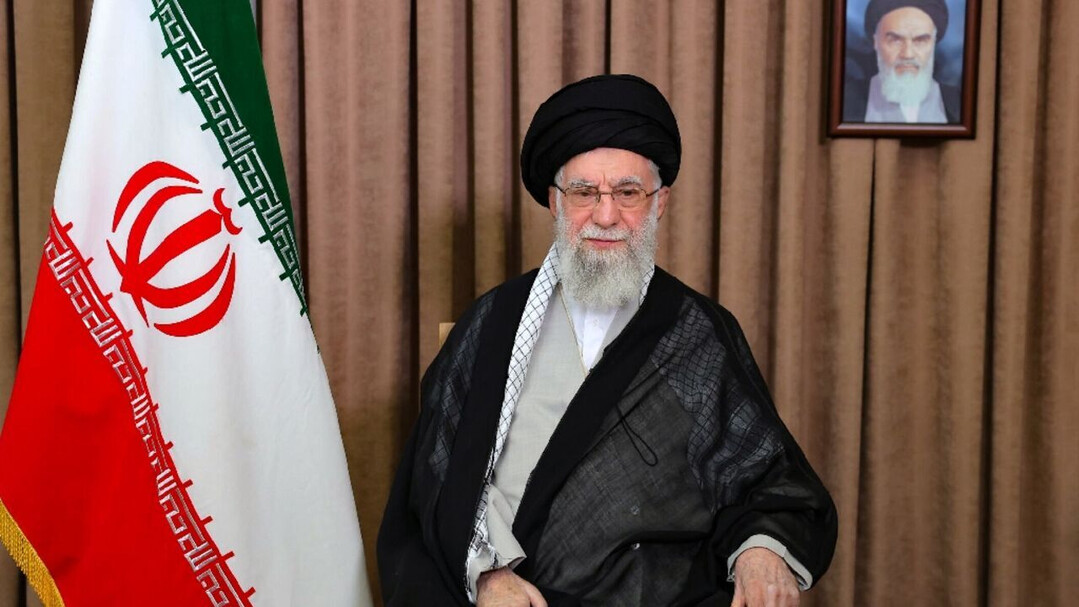
In a surprise operation launched around 10:00 AM on February 28, 2026, Iran’s supreme leader, Ayatollah Ali Khamenei—the symbol of the Islamic Republic—along with the core military and political leadership, was killed in a single strike. Although Iran immediately formed a transitional government, the 47-year-old theocratic system appears to be effectively collapsing.
In February 1979, Ruhollah Khomeini rose to power after the Islamic Revolution toppled the Pahlavi dynasty and he returned from exile in France. In December of that year, following a referendum on a new constitution, he was inaugurated as the first Supreme Leader (Rahbar), a lifelong position. Khomeini’s ten-year reign ended with his death from illness and old age, but during that decade, he led the country through the Iran-Iraq War (1980–1988) and operated under a closed system that hindered national development. Ali Khamenei succeeded him and maintained a dictatorial rule for approximately 37 years until his recent assassination. For the past half-century, the Iranian people have endured a period of nightmare and suffering.
Sustaining itself through oil, the Iranian government remained obsessed with developing nuclear weapons, much like North Korea, while the United States strove to prevent it. To stop nuclear proliferation, suppress Iranian proxies, and protect energy supply chains, the U.S. launched this operation—likely unable to further tolerate a regime that suppressed its own citizens, killing tens of thousands. There was presumably a belief that dismantling the theocracy would garner the support of the Iranian people.
Israel, which has faced the enmity of Muslims after displacing Palestinians, took the lead in this attack and achieved significant results. The reason the U.S. was able to strike over 1,000 precision targets within the first 24 hours without suffering significant damage was due to overwhelming IT and intelligence capabilities that neutralized Iran’s air defense systems and command structure. Although the U.S. deployed aircraft carriers nearby and requested negotiations prior to the operation, Iran did not respond. I believe Iran will soon come to the negotiating table. However, a mediator must step in, and the U.S. must provide Iran with a face-saving pretext. If negotiations are delayed, the global economy will contract.
In Islam, followed by about 2 billion people, the Sunni and Shia factions are in conflict. It is difficult to understand why followers of a religion that preaches "love even your enemies" treat each other like archenemies. Saudi Arabia is the leader of the Sunnis, who make up about 85–90% of all Muslims. Sunni majority nations include Egypt, Türkiye, Indonesia, Pakistan, Jordan, the UAE, and Qatar. The Shia faction is led by Iran and includes Iraq, Syria, Yemen, Azerbaijan, Bahrain, and Lebanon, where Hezbollah is active.
The Strait of Hormuz, managed by Iran and Oman, is only about 30 km wide at its narrowest point. It is the export route for Middle Eastern oil, through which 20% of the world’s oil passes, and Iran has blocked it. This has frustrated Middle Eastern oil producers. China, which has used Iran as its "Belt and Road" bridgehead in the Middle East, has been importing cheap oil from Iran. In 2021, China and Iran signed a comprehensive 25-year agreement for cooperation in politics, economy, and security. China agreed to invest about $400 billion, while Iran agreed to provide long-term energy supplies at low prices. Russian gas is expected to see increased demand as an alternative to Middle Eastern oil. Putin, struggling with war costs, will likely be pleased. Therefore, it is highly probable that Xi Jinping or Putin—considering the negative public opinion following the invasion of Ukraine—will step in to mediate. A prolonged war would also be a great burden for President Trump. Iran will look to exploit this, but the resistance of the people in both countries remains a variable.
Currently, it is the period of Ramadan, a time for spiritual reflection through fasting and prayer. March 21st marks Nowruz, the New Year, which means "New Day." I hope the conflict ends before then so the people can enjoy the two-week holiday without worry. Young people and women yearning for change likely hope that, despite receiving outside help, the theocracy will end and freedom and democracy will flourish. The middle-aged and the common people may desire freedom but also fear a descent into terrible hunger or civil war. If infrastructure is destroyed by bombing and oil prices fluctuate, they may despair at the rising price of their daily bread. If this continues, even oil-rich Iran could run out of fuel, bringing everything to a standstill.
South Korea, which has evacuated its citizens and secured a 200-day strategic reserve, cannot avoid the repercussions of rising oil prices. If this situation persists, everyone becomes a victim. I hope Iran becomes a free, democratic, and prosperous country through hard work. May the coming spring truly arrive! / kieejo@naver.com
[Copyright (c) Global Economic Times. All Rights Reserved.]