![[등록] 2026-09-01 15:48:31](/support/_updata/banner2/tl181982910_6749.png)


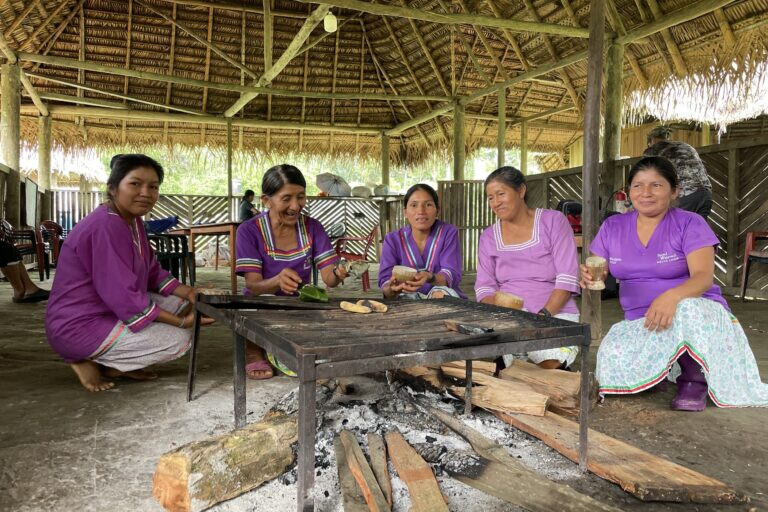
A groundbreaking study has unveiled the harrowing reality faced by indigenous women in the Amazon, where extractive industries and environmental degradation have created a climate of fear and violence. The research, conducted in Peru's Madre de Dios region and various parts of the Colombian Amazon, sheds light on the disproportionate impact of mining, land grabs, and armed conflict on these vulnerable communities.
"In communities exposed to mining, women cannot walk freely through their territory. They must be careful not to expose themselves too much to avoid attacks. I also don't feel free to walk through my territory," says an indigenous woman from Madre de Dios, Peru's Amazon region with the greatest environmental impact caused by mining activity.
Madre de Dios, a biodiversity hotspot, has become a battleground for illegal gold mining, logging, and drug trafficking. The region's high homicide rate and the presence of organized crime have created a climate of insecurity, particularly for women. They face not only threats from outsiders but also violence within their own families.
"An indigenous woman is more exposed to gender violence in places where extractive activities are more intense," says Mariel Cabero, an environmental justice expert.
In Colombia, the issue of extractive industries is intertwined with land insecurity and armed conflict. Unequal land distribution and the encroachment of agribusiness have displaced communities into the rainforest, where they face further threats from illegal armed groups. The expansion of coca cultivation has led to environmental degradation and health concerns, with women fearing the impact of fumigation on their communities.
"I would say that there is a silent extermination," says Fany Kuiru, general coordinator of the Coordinator of Indigenous Organizations of the Amazon Basin (COICA). "The Amazon is diverse, it is large, but it has very similar problems in all countries: extractivism, agro-industry, monocultures, livestock. And these activities what they do is impoverish the indigenous peoples, from every point of view".
In both countries, women who defend their environmental and human rights are particularly at risk. They face threats, harassment, and even criminalization for their activism. The lack of state presence in remote areas and the persistence of patriarchal attitudes further hinder their ability to seek justice.
The study calls for urgent action to address the root causes of violence and environmental degradation in the Amazon. It emphasizes the need to strengthen governance, protect land rights, and empower indigenous women to defend their territories and their rights.
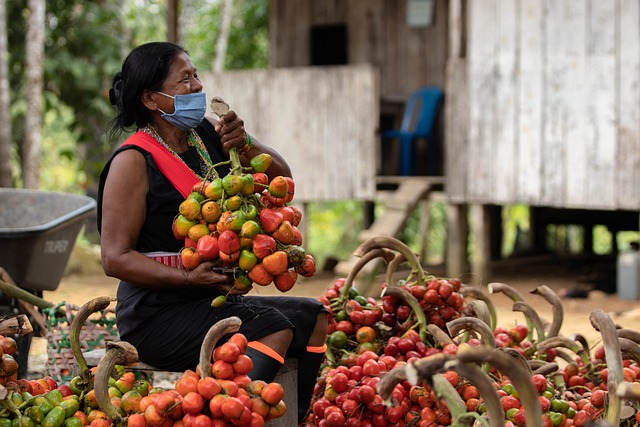
Vulnerability of Indigenous Women: A study across the Peruvian and Colombian Amazon reveals that indigenous women face disproportionate violence and insecurity due to extractive industries.
Mining activities, both legal and illegal, restrict women's freedom of movement and expose them to increased risks of assault.
Environmental Degradation and Violence: Deforestation, environmental degradation, and violence are rampant in territories impacted by extractive economies.
Weak governance and systemic inequalities exacerbate the challenges faced by women.
Madre de Dios, Peru: A Hotspot of Conflict: The region suffers from high homicide rates, attributed to informal and illegal gold mining.
Indigenous communities are threatened by territorial conflicts, illegal activities, and organized crime.
Illegal mining, logging, and drug trafficking encroach on protected areas, including Tambopata National Reserve.
Women experience psychological, economic, and physical violence, often within their own families.
Environmental violence, such as mercury contamination, impacts water quality and food security.
Colombia: Land Rights and Armed Conflict: Unequal land access and distribution contribute to social inequality and violence.
Land grabbing and concentration of rural property displace populations into the Amazon rainforest.
Illegal armed groups and deforestation further endanger women landowners.
Illicit coca cultivation leads to biological and cultural impacts, including soil degradation and water contamination.
Women express concerns about the health effects of fumigation.
Shared Challenges: Both countries face similar issues: extractivism, agribusiness, monocultures, and cattle ranching, which impoverish indigenous communities.
The lack of state presence in remote locations, added to the patriarcal societies, make the enforcement of woman's rights very difficult.
Defenders at Risk: Women who defend their environmental and human rights face a higher risk of violence than men.
They endure restrictions on movement, criminalization, limited political representation, and restricted access to justice.
The report shows that between January and October of 2023, the majority of the cases of violence against woman in Madre de Dios, where Physical violence.
[Copyright (c) Global Economic Times. All Rights Reserved.]