![[등록] 2026-09-01 15:48:31](/support/_updata/banner2/tl181982910_6749.png)


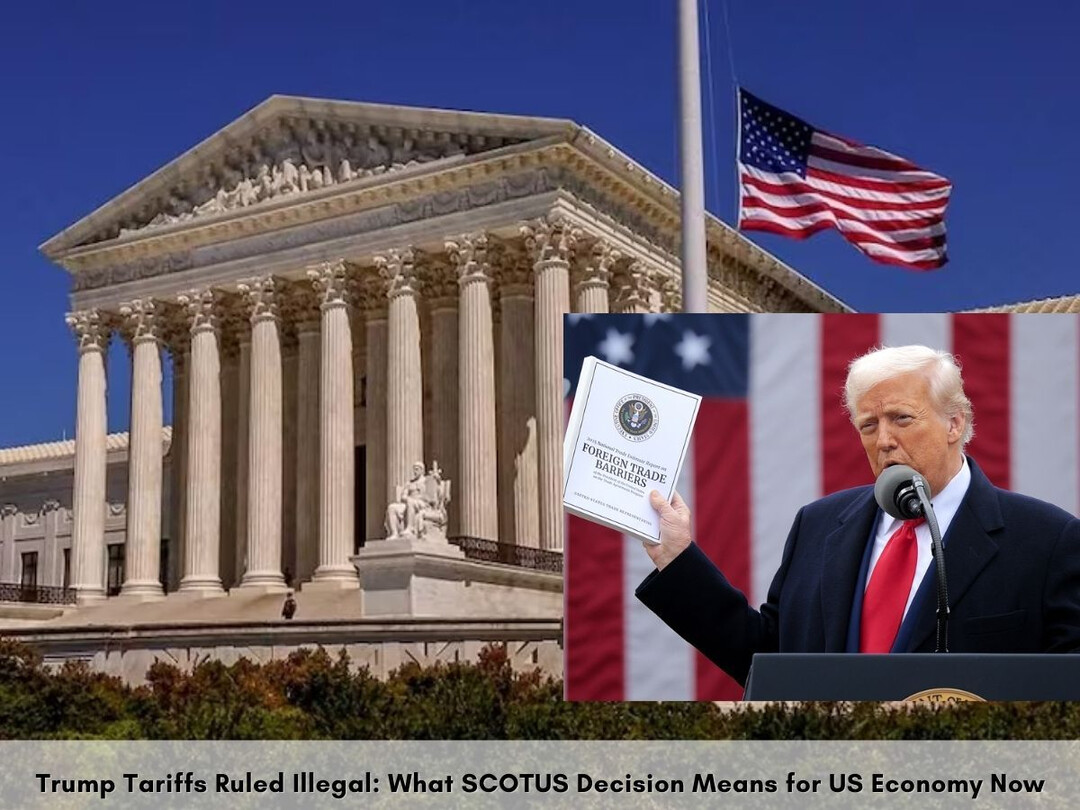
WASHINGTON — In a significant legal blow to the administration’s protectionist agenda, the U.S. Court of International Trade (CIT) ruled on Thursday that President Donald Trump’s "Global 10% Tariff" is unlawful. The three-judge panel determined that the administration’s use of Section 122 of the Trade Act of 1974 to justify a blanket levy on nearly all imports exceeded the legal authority granted by Congress.
The ruling, a 2-1 decision, marks the second time in three months that a federal court has dismantled a cornerstone of Trump’s "Make America Wealthy Again" trade policy.
The Legal Dispute: Section 122 vs. Trade Deficits
Following the Supreme Court's February 2026 decision that struck down tariffs based on "national emergencies" (IEEPA), the Trump administration pivoted to Section 122. This 1970s-era law allows a president to impose temporary import surcharges of up to 15% for 150 days to address "large and serious balance-of-payments (BOP) deficits."
However, the CIT judges agreed with the plaintiffs—including small businesses like Basic Fun and Burlap & Barrel, as well as the state of Washington—that a trade deficit is not legally equivalent to a balance-of-payments crisis.
"The administration attempted to use a bazooka where the law requires a fine-tooth comb," said Jay Foreman, CEO of Basic Fun. "A trade imbalance with specific partners does not grant the President the power to tax the entire world under the guise of a systemic currency crisis."
Economic and Diplomatic Fallout
The timing of the ruling is particularly sensitive, coming just one week before President Trump is scheduled to meet Chinese President Xi Jinping in Beijing. The 10% global tariff was intended to serve as "maximum leverage" for those negotiations.
While the ruling technically only grants immediate relief to the specific plaintiffs in the case, it creates a massive legal opening for thousands of other U.S. importers to seek billions of dollars in refunds. Legal experts suggest the ruling effectively renders the 10% surcharge "dead in the water" before its scheduled expiration in late July.
White House Response
President Trump wasted no time in criticizing the judiciary, labeling the decision the work of "radical left judges" who are "selling out American workers."
The White House is expected to appeal the ruling to the U.S. Court of Appeals for the Federal Circuit. Simultaneously, U.S. Trade Representative Jamieson Greer is reportedly accelerating Section 301 investigations, which would allow for more targeted—and potentially more legally defensible—tariffs against specific trading partners by the end of the summer.
For now, the decision provides a temporary reprieve for U.S. retailers and consumers who have been grappling with rising costs, though the shadow of a renewed "trade war" remains on the horizon.
[Copyright (c) Global Economic Times. All Rights Reserved.]