![[등록] 2026-09-01 15:48:31](/support/_updata/banner2/tl181982910_6749.png)


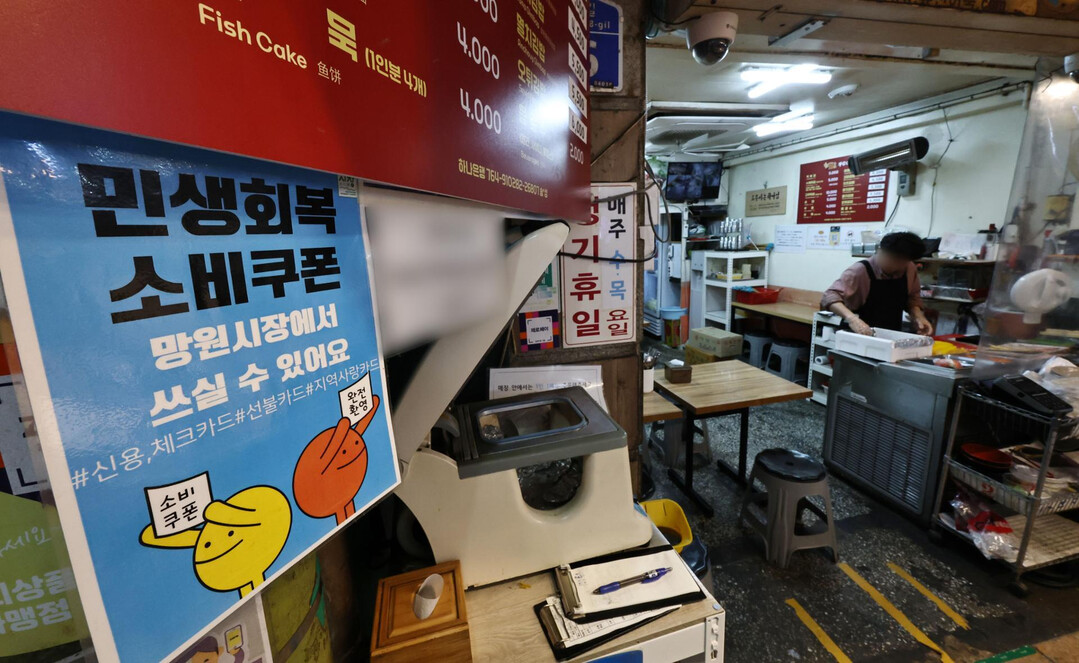
SEOUL — In a decisive move to mitigate the economic fallout from the escalating conflict in the Middle East, the South Korean government has announced a massive stimulus package. Under the new "High Oil Price Relief Fund," approximately 35.77 million citizens—representing the bottom 70% of income earners—will receive between ₩100,000 and ₩600,000 in financial support.
During a Cabinet meeting chaired by President Lee Jae-myung at the Blue House on the morning of March 31, the government finalized a supplementary budget proposal. The Ministry of Planning and Budget has allocated ₩4.8 trillion (approx. $3.6 billion) to fund the initiative.
Tiered Support Based on Location and Vulnerability
The relief fund follows a tiered distribution model similar to last year’s "Consumer Recovery Coupons." The system is designed to provide higher payouts to those living outside the Seoul Metropolitan Area and those in regions facing population decline, as well as to the nation's most vulnerable populations.
Recipients can choose to receive the funds via credit cards, debit cards, or local currency (Ji-yeok Hwa-pye). Usage will be restricted to merchants registered within the recipient’s local currency network, ensuring the stimulus directly boosts local economies.
Metropolitan Area: Residents in the bottom 70% income bracket will receive ₩100,000.
Non-Metropolitan Area: Residents will receive ₩150,000.
Depopulation Areas (Special Zones): Residents in the bottom 40 counties (e.g., Yanggu-gun, Boeun-gun) based on development and lag-behind indices will receive ₩200,000.
Depopulation Areas (Priority Zones): Residents in the remaining 49 designated depopulation areas will receive ₩250,000.
For vulnerable groups, including low-income earners (Basic Livelihood Security recipients), next-lowest income households (Chasangwi), and single-parent families, the support is significantly higher. A Basic Livelihood Security recipient living in a designated depopulation area stands to receive the maximum amount of ₩600,000.
Timeline for Distribution
The government plans to rollout the payments in two phases. The first phase will prioritize Basic Livelihood and Chasangwi households, as their data is already registered within the welfare system. The second phase will cover the remaining citizens within the bottom 70% once income levels are verified through health insurance records.
If the National Assembly passes the budget by April 10 as expected, first-phase payments are slated to begin in late April, with the second phase following in May.
Expansion of K-Pass and Cultural Incentives
The supplementary budget extends beyond direct cash transfers. To combat rising transportation costs, the government is significantly boosting the "K-Pass" refund system for the next six months.
Under the new plan, the refund rate for low-income earners who use public transit more than 15 times a month will jump from 53% to 83%. Other groups will also see increases:
3-Child Households: 50% → 75%
Youth, 2-Child Households, and Seniors: 30% → 45%
General Households: 20% → 30%
Furthermore, ₩80 billion has been earmarked to subsidize discounts on agricultural, livestock, and fishery products to lower grocery bills. To support the culture and tourism sectors, the government will issue 6 million movie discount coupons (₩6,000 off) and 300,000 accommodation vouchers (₩20,000–₩30,000 off) valid until the end of the year.
[Copyright (c) Global Economic Times. All Rights Reserved.]