![[등록] 2026-09-01 15:48:31](/support/_updata/banner2/tl181982910_6749.png)


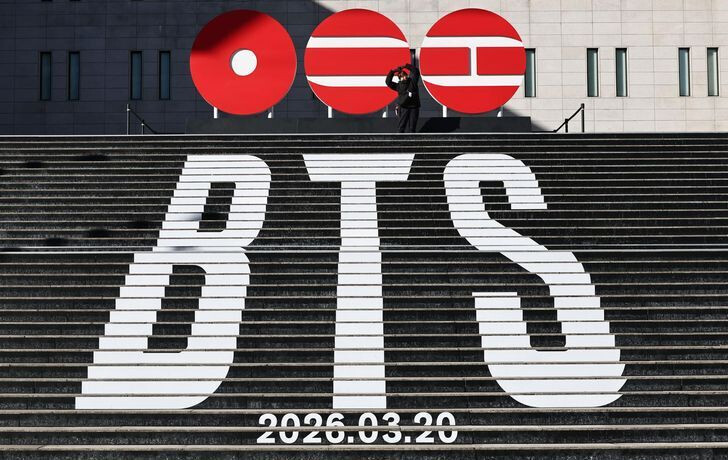
SEOUL — The countdown has begun for what is being hailed as the most significant cultural event of the decade. As BTS prepares for their first full-group performance in nearly four years, South Korea has entered a state of "total mobilization" to support a comeback that is expected to reshape the global media landscape and inject a staggering 1.2 trillion KRW (approx. $900 million USD) into the national economy.
The Return of the Kings
On March 20, 2026, BTS will release their highly anticipated new album, ARIRANG, marking the end of their hiatus due to mandatory military service. The following day, the group will take over Gwanghwamun Square—the historic heart of Seoul—for a massive live-streamed concert titled "BTS Comeback Live: ARIRANG."
The scale of the event is unprecedented. While 22,000 seats have been officially reserved, authorities expect upwards of 260,000 people to flock to the surrounding streets, reminiscent of the massive crowds seen during the 2002 World Cup.
Challenging 'Swiftnomics'
The financial implications are being compared to the "Eras Tour" phenomenon. According to the Korea Culture & Tourism Institute, the ripple effect of this single event—including intellectual property (IP) revenue and the enhancement of Korea’s national brand—could reach 1.2 trillion KRW.
Global media outlets, including The Guardian, suggest that BTS’s upcoming world tour, spanning 82 shows across 34 cities, could potentially surpass the economic records set by Taylor Swift’s "Swiftnomics." With the concert being streamed live to over 190 countries via Netflix, the "halo effect" on Korean tourism and consumer goods is expected to be monumental.
A New Era of Live Streaming
This event marks a pivot in content distribution. By partnering with Netflix, BTS is bypassing traditional broadcast hurdles to reach a global audience simultaneously. This follows Netflix's successful foray into live sports, such as the Jake Paul vs. Mike Tyson bout which drew 65 million concurrent viewers.
"The integration of Gwanghwamun’s traditional identity with BTS’s modern cultural power creates a unique narrative for global viewers," an industry insider noted. Data shows that K-content viewers are twice as likely to visit South Korea compared to non-viewers, a trend the government plans to capitalize on through special programs at the National Museum of Korea and the National Museum of Modern and Contemporary Art.
National Security and Infrastructure
The South Korean government is leaving nothing to chance. President Lee Jae-myung issued a statement on social media, urging citizens to demonstrate "mature civic consciousness" and prioritize safety.
-Security: The terror alert level for central Seoul has been raised from 'Attention' to 'Caution.'
-Logistics: Major thoroughfares like Sejong-daero will be closed, and nearby subway stations (Gwanghwamun, City Hall, and Gyeongbokgung) will implement "non-stop" bypasses to manage crowd density.
-Technology: Minister of Science and ICT Bae Kyung-hoon announced the deployment of 18 mobile base stations and 17 repeaters to handle the massive surge in data traffic, ensuring a seamless 4K stream for the millions watching worldwide.
As the world turns its eyes to Seoul this weekend, the "ARIRANG" comeback represents more than just music; it is a testament to the enduring power of the "Korean Wave" and its ability to mobilize an entire nation.
[Copyright (c) Global Economic Times. All Rights Reserved.]