• 2026.11.11 (Wed)
  • All articles
  • LOGIN
  • JOIN
Global Economic Times
[등록] 2026-09-01 15:48:31
  • Synthesis
  • World
  • Business
  • Industry
  • ICT
  • Distribution Economy
  • Well+Being
    • Pet Life
    • Halal Horizon
  • Travel
  • Eco-News
  • Education
  • Korean Wave News
  • Opinion
  • Arts&Culture
  • Sports
  • People & Life
    • International Student Report
    • With Ambassador
  • Column
    • Cho Kijo Column
    • Cherry Garden Story
    • Ko Yong-chul Column
    • Kim Bong-seon's Photo Column
    • Kim Seul-Ong Column
    • Lee Yeon-sil Column
  • Photo News
  • New Book Guide
MENU
 
Home > World

Takaichi’s Food Tax Cut Gamble: High Stakes, Deep Skepticism in Tokyo

Desk / Updated : 2026-10-23 05:54:25
  • -
  • +
  • Print

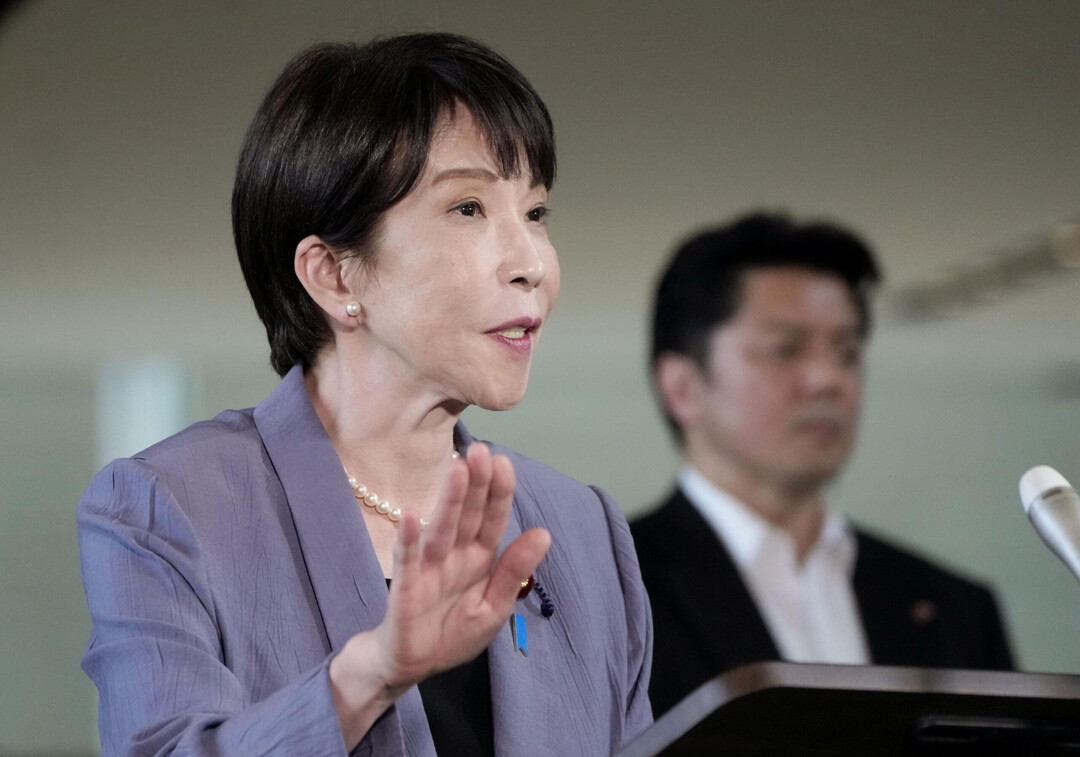
Japanese Prime Minister Sanae Takaichi is facing an uphill battle in the Diet as her administration pushes to pass a contentious bill reducing the consumption tax on food from 8% to 1% for a temporary two-year period. Designed to deliver on a core public livelihood pledge and reverse a stagnant approval rating, the policy has instead ignited fierce debates among lawmakers, economists, and market analysts over its economic viability and fiscal safety.

The Mechanics and Market Doubts

Under the proposal, the consumption tax levied on grocery items such as meat and vegetables—currently at 8%—would plunge to 1% before returning to baseline after two years. While Prime Minister Takaichi initially campaigned on a radical 0% rate during the February House of Representatives election, technical constraints regarding supermarket POS and billing system adjustments forced a compromise at 1%.

In theory, a grocery item priced at 1,080 yen (tax-included) should drop to 1,010 yen. However, critics fiercely question whether the reduction will genuinely translate into consumer savings. Facing severe cost pressures from soaring global energy prices and a persistently weak yen, retailers may absorb the margin rather than lowering shelf prices. Furthermore, economists warn that any temporary relief could backfire when the tax rate is inevitably restored, triggering a sudden price surge that frustrates consumers.

A 10 Trillion Yen Funding Dilemma

The most critical hurdle facing the administration is funding. The two-year tax cut is projected to cost roughly 10 trillion yen—an amount equivalent to Japan’s entire annual defense budget. Because the consumption tax serves as a vital revenue pillar supporting Japan’s healthcare and long-term care systems, carving out a 10 trillion yen hole raises alarms in an economy where the debt-to-GDP ratio already exceeds 200%.

Market volatility has already surfaced. Prime Minister Takaichi initially assured lawmakers that the government would "not rely on deficit bonds" and that solid funding mechanisms were in place. Following this remark, 10-year Japanese government bond yields temporarily retreated from 3.1% to 2.9%. However, subsequent remarks suggesting that bond issuance has not been ruled out have left financial markets jittery. Analysts warn that persistent fiscal uncertainty could accelerate yen depreciation, counterproductively fueling the very inflation the tax cut aims to alleviate.

Political Fallout and Public Hesitation

Doubts also linger over the political longevity of the "two-year restoration" promise. While Takaichi insists the tax rate will revert as scheduled, skeptics argue that future politicians—fearful of voter backlash—will find it politically impossible to raise taxes back up, risking structural fiscal damage.

Recent public opinion polls reflect this deep-seated hesitation. While 56% of surveyed citizens express general support for lower food prices, a striking 58% harbor severe concerns over how the policy will be funded. As the Diet heads toward year-end budget discussions, Prime Minister Takaichi must walk a razor-thin line to convince a skeptical public and volatile financial markets that her bold gamble will stabilize, rather than destabilize, the world's fourth-largest economy.

[Copyright (c) Global Economic Times. All Rights Reserved.]

  • #Cherry Garden
  • #HalalFood
  • #Halal
  • #Petlife
  • #Halalhorizone
  • #Hormuz Impasse
  • #globaleconomictimes
  • #micorea
  • #mykor
Desk
Desk

Popular articles

  • "Just order bottled water" is all it takes... Kakao embeds agentic AI into KakaoTalk

  • Cheonan City and Chemical Safety Institute Hold Joint Tabletop Exercise for Chemical Accident Response

  • North Korea Test-Fires Cruise Missiles Capable of Carrying Nuclear Warheads from 3,000-Ton Submarine for the First Time

I like it
Share
  • Facebook
  • X
  • Kakaotalk
  • LINE
  • BAND
  • NAVER
  • https://www.globaleconomictimes.kr/article/1065559982138137 Copy URL copied.
Comments >

Comments 0

Weekly Hot Issue

  • Inha University Caught in Campus Culture Clash Over Proposed Rhee Syng-man Statue Revival
  • Honoring a Legacy: Poet Oh Dong-chun Recognized for Lifelong Dedication to Hangul and Sijo Poetry
  • Bongeunsa Temple to Host 2026 Patriotic Buddhism Cultural Festa
  • South Korea Confronts a Growing Health Crisis as Adult Obesity Rates Surge
  • Pain of Chosei Coal Mine Meets Japanese Readers: Moon Young-sook Publishes Japanese Edition of 'Black Sea'
  • Beyond the Trillion-Dollar Mark: China’s Trade Surplus and the Debate Over Global Economic Dominance

Most Viewed

1
US Army Conducts Rare Temporary Burial Drills to Prepare for Worst-Case Large-Scale War Scenarios
2
World Citizens are Flying Directly to Busan... The Era of 4 Million Foreigners is Just Around the Corner
3
Eating 100g of Baechu Kimchi Daily Linked to Lower High-Cholesterol Risks
4
Meeting Christmas Early!… Busan Dessert Sales Event "Daldal The Market" Held
5
November Shopping Festival Sparks Retail War in South Korea: Where to Find the Best Deals
체리가든 스토리
nutri huevos
로타리
동포저널

Hot Issue

Jensen Huang Faces Shareholder Class Action and Leadership Scrutiny Amid Espionage Allegations Involving Former Associate

Disgraced South Korean Scientist Hwang Woo-suk Becomes UAE Citizen

Is South Korea Heading Toward France's Path? Aging Population and Fiscal Pressures Looming Ahead

Fashion Runway Show 2026

Let’s recycle the old blankets in Jeju Island’s closet instead of incinerating them.

Global Economic Times
korocamia@naver.com
CEO : LEE YEON-SIL
Publisher : KO YONG-CHUL
Registration number : Seoul, A55681
Registration Date : 2024-10-24
Youth Protection Manager: KO YONG-CHUL
Singapore Headquarters
5A Woodlands Road #11-34 The Tennery. S'677728
Korean Branch
Phone : +82(0)10 4724 5264
#304, 6 Nonhyeon-ro 111-gil, Gangnam-gu, Seoul
Copyright © Global Economic Times All Rights Reserved
  • News K
  • 반달곰 프로젝트
  • 광고문의
Search
Category
  • All articles
  • Synthesis
  • World
  • Business
  • Industry
  • ICT
  • Distribution Economy
  • Well+Being 
    • 전체
    • Pet Life
    • Halal Horizon
  • Travel
  • Eco-News
  • Education
  • Korean Wave News
  • Opinion
  • Arts&Culture
  • Sports
  • People & Life 
    • 전체
    • International Student Report
    • With Ambassador
  • Column 
    • 전체
    • Cho Kijo Column
    • Cherry Garden Story
    • Ko Yong-chul Column
    • Kim Bong-seon's Photo Column
    • Kim Seul-Ong Column
    • Lee Yeon-sil Column
  • Photo News
  • New Book Guide
  • Overseas Koreans
  • Multicultural News