![[등록] 2026-09-01 15:48:31](/support/_updata/banner2/tl181982910_6749.png)


Unstable Living Conditions and Lack of Family Support Weighed by Court
"Probation Would Leave Public Exposed to Risk"
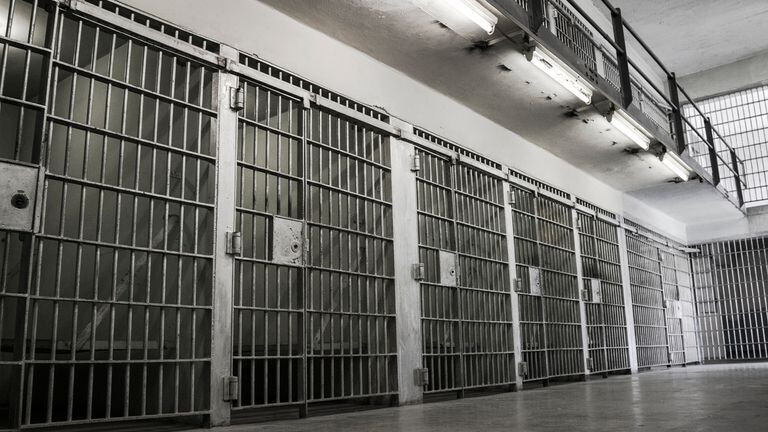
A man who previously served a 15-year prison sentence for robbery-homicide and corpse mutilation has been sentenced to prison again after being caught wandering public spaces carrying a weapon shortly after his release. The court ruled that although no actual additional harm resulted from the weapon possession, the risk of recidivism is high, and probation and treatment orders alone are insufficient to control the danger.
According to legal circles on the 19th, Judge Kim Chun-su of the Seoul Northern District Court Criminal Division 8 sentenced 58-year-old Mr. A—who was indicted on charges of theft and carrying a weapon in a public place—to one year and six months in prison last month, while confiscating one seized weapon.
Mr. A was sent to trial on charges of causing public anxiety and fear by wandering around the Dongdaemun-gu area of Seoul without justifiable cause while carrying a weapon between 4:09 AM and 4:18 AM on April 27. Prior to this, he was also charged with stealing five bottles of soju stored in front of a store in Dongdaemun-gu at approximately 11:47 PM on March 19.
The court determined that Mr. A committed the crimes in a state of diminished mental capacity—having impaired ability to discern things or make decisions—due to a mental illness. It was confirmed that Mr. A has long been diagnosed with and treated for undifferentiated schizophrenia. Diminished capacity due to mental illness was also recognized when he was previously sentenced to 15 years in prison for robbery-homicide and corpse mutilation.
While taking into account that the stolen goods were of minor value and that no additional damage occurred despite the public weapon possession, the panel pointed out that Mr. A poses a high risk of reoffending. In particular, although options such as a suspended sentence combined with probation and a treatment order were reviewed, the court noted that Mr. A resides in a gosiwon (budget studio apartment) with unstable housing and appears to lack family members to encourage his treatment. It also factored in his past record of voluntarily refusing to take prescribed medication for his mental illness while serving his previous prison sentence.
Synthesizing these circumstances, the court concluded that a prison sentence was necessary. Judge Kim stated, "If a treatment order is not fulfilled, a suspended sentence can be revoked, but the public could remain exposed to danger for a considerable period before such a revocation takes place," adding, "It is desirable to sentence him to a prison term to eliminate public risk and ensure that at least a minimum level of additional treatment for his mental illness is administered while he is incarcerated."
[Copyright (c) Global Economic Times. All Rights Reserved.]