WASHINGTON — On paper, the United States economy appears to be firing on all cylinders. Recent federal data shows annualized gross domestic product (GDP) expanding at a robust 4.3% between June and September—its fastest pace in three years—paired with a steady 4.1% unemployment rate. Yet, for millions of American households, these headline figures feel entirely disconnected from daily life.
According to recent polling from Harris and the Pew Research Center, roughly 61% of Americans across the political spectrum believe the country is already mired in a recession, while nearly half struggle to afford basic necessities. Economists and market analysts increasingly describe this disconnect as a "two-track" or bifurcated economy, where macroeconomic prosperity masks widespread financial strain.
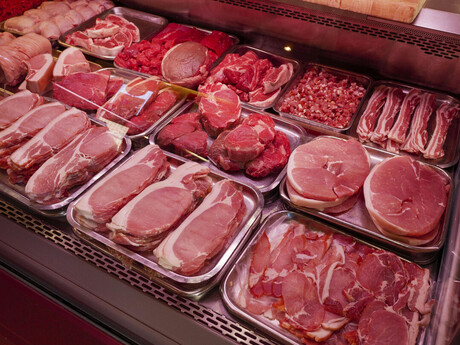
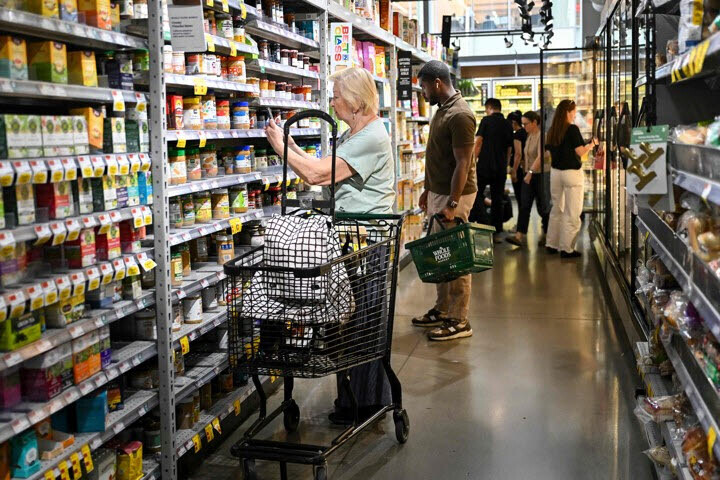
Inflation and Uneven Gains While technical definitions of a recession require two consecutive quarters of negative GDP growth, working- and middle-class families measure economic health at the checkout counter rather than on Wall Street. The Personal Consumption Expenditures (PCE) price index ticked up to 3.8% last month from 3.6% in September, outpacing wage growth for many workers. Furthermore, once adjusted for inflation, October’s consumer spending growth effectively stalled.
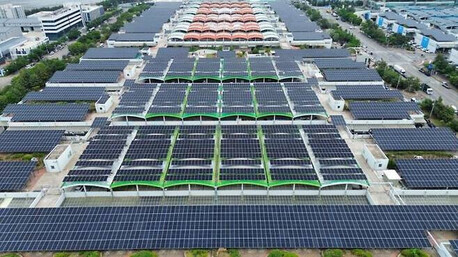
The current expansion has been heavily propelled by government outlays, surging equity markets, and massive capital investments in artificial intelligence. While high-income households benefit from rising asset values, lower-income adults—nearly three-quarters of whom report difficulty covering routine housing, grocery, healthcare, and transit costs—are falling further behind.
Geopolitical Headwinds and Belt-Tightening Over the past year, protracted trade tariffs and economic fallout from conflict with Iran have compounded cost-of-living pressures, eroding consumer confidence. Fearing a broader downturn, many households have shifted into a defensive financial posture: boosting personal savings, scaling back discretionary travel and dining, opting for public transit over rideshares, and even delaying non-emergency medical procedures to avoid out-of-pocket rehabilitation expenses.
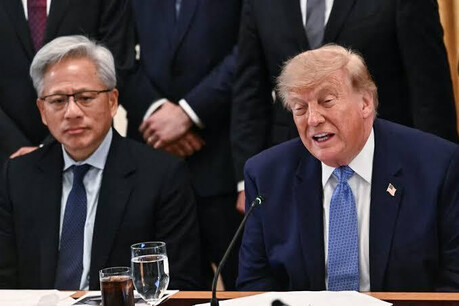
Looking Toward Policy Shifts This pervasive economic anxiety played a decisive role in the recent midterm elections, which handed the Democratic Party sweeping gains. Voters are now looking to lawmakers in the coming year to prioritize affordability—specifically hoping for diplomatic resolution in the Middle East, the rollback of broad tariffs, and the reversal of recent domestic fiscal policies that paired tax cuts for upper earners with reductions in healthcare and food assistance programs. Until everyday prices stabilize, strong GDP reports alone are unlikely to cure the public’s recessionary mindset.
[Copyright (c) Global Economic Times. All Rights Reserved.]