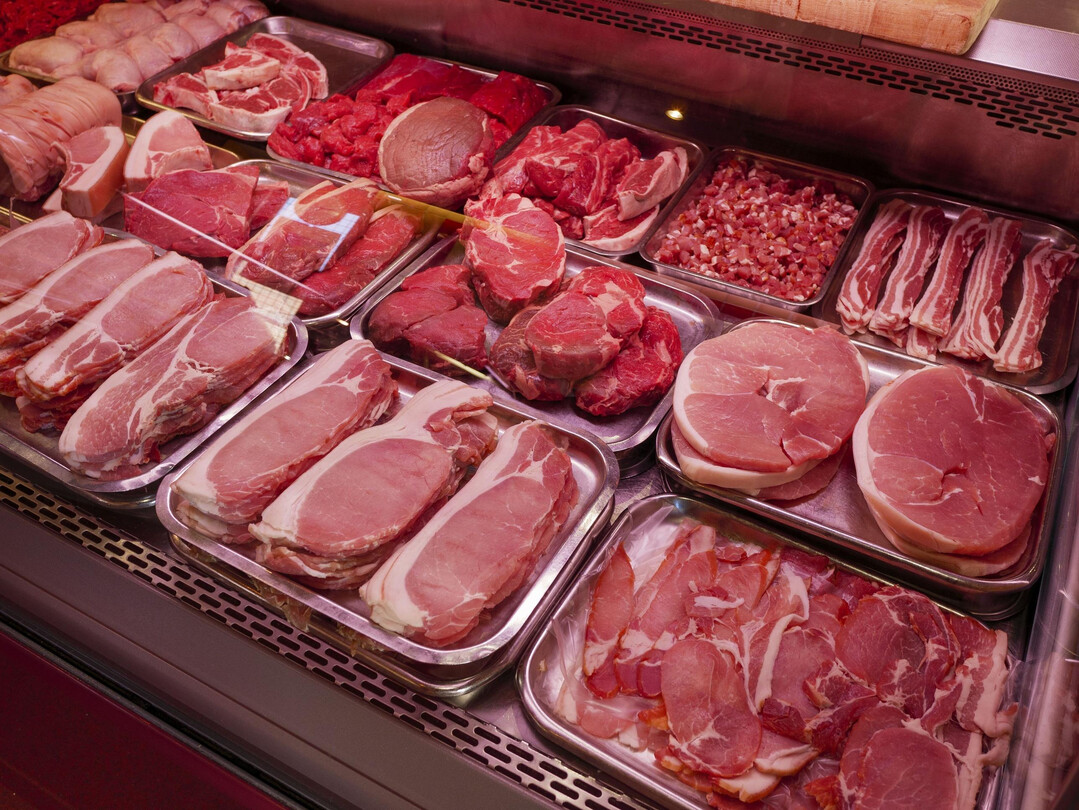
For generations, the golden rule of grilling pork has been simple: cook it until every trace of pink disappears. Yet food safety experts note that relying on color alone to judge whether meat is safe to eat is an outdated habit—and one that often leads to dry, overcooked meals.
Historically, strict warnings to cook pork well-done stemmed from concerns over parasites like Trichinella, which thrived in less sanitary livestock conditions. Today, modern farming standards, regulated feed, and veterinary care have virtually eliminated parasitic threats in commercial pork. Instead, health authorities emphasize that the primary risk in modern kitchens and restaurants comes from bacterial pathogens such as Salmonella, Campylobacter, and pathogenic E. coli, which can be introduced during processing or handling.
The Science Behind Pink Meat Many diners instinctively send chicken back to the kitchen when they spot reddish hues near the bone, or keep pork belly on the grill until it chars. However, meat color is governed by complex chemistry rather than temperature alone.
The red pigment in meat comes from myoglobin, an oxygen-binding protein in muscle tissue. While heat normally turns myoglobin brown or gray, factors like higher pH levels in the meat, marinades, or cooking gases can lock in a pink tint even after safe temperatures are reached. In young poultry, porous bones frequently allow marrow pigments to leak into surrounding meat during freezing, thawing, or roasting—creating a reddish appearance in completely cooked chicken.
On the flip side, meat can turn brown prematurely on the outside or inside before reaching temperatures high enough to destroy harmful bacteria.
Temperature Over Appearance To eliminate guesswork, food safety guidelines recommend heating both pork and poultry to an internal core temperature of 75°C (167°F) for at least one minute. Reaching this threshold destroys dangerous bacteria while preserving moisture and tenderness.
Practical Kitchen Rules for Safe Grilling
Use a digital probe thermometer: Insert the metal tip into the center of the thickest cut, taking care not to hit bone or the cooking surface, which can skew readings. For thin slices or burger patties, slide the probe in sideways.
Manage your heat: Sear meat over high heat to build flavor, then lower the burner or move cuts to a cooler zone on the grill so the center cooks evenly without scorching the exterior.
Prevent cross-contamination: Keep separate tongs and plates for raw and cooked meats. Touching grilled meat with raw-meat utensils instantly transfers bacteria back onto your food.
Sanitize tools: Always wash thermometer probes with hot, soapy water between checks to avoid spreading surface bacteria into the center of the meat.
[Copyright (c) Global Economic Times. All Rights Reserved.]